
No products in the cart.
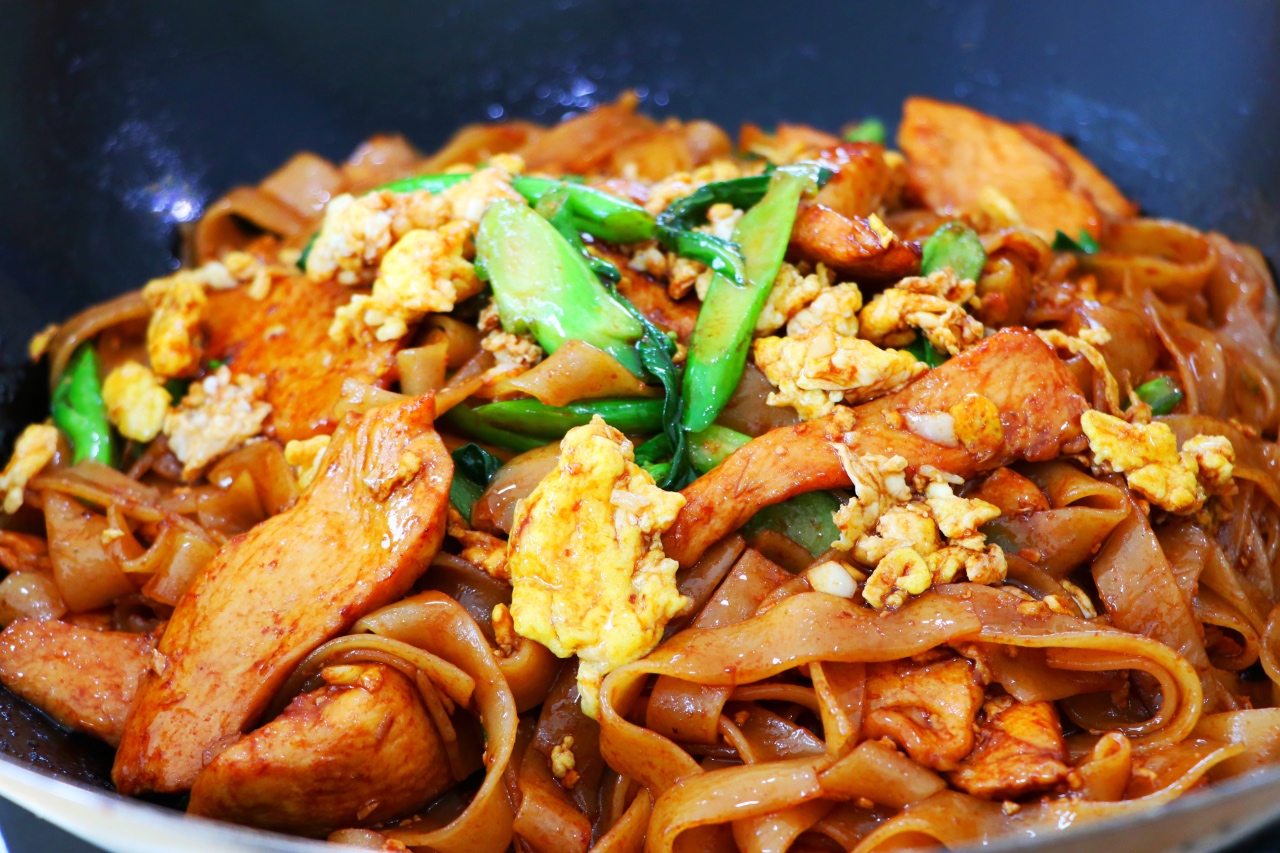
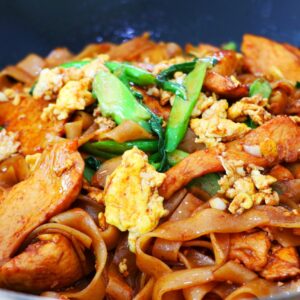
20-Minute Chicken Pad See Ew Recipe
Chicken Pad See Ew was the noodle dish I grew up eating on the streets of Bangkok. Vendors would stir-fry wide rice noodles over blazing-hot woks, creating that signature smoky aroma and lightly charred noodles that make Pad See Ew so irresistible.
Today, I make a quick 20-minute version at home that my family can’t get enough of. It has everything I love about the street food version—tender chicken, chewy rice noodles, Chinese broccoli, and a rich, sweet-savory sauce that coats every bite.
If you’ve ever wondered why your Pad See Ew doesn’t taste quite like the version from your favorite Thai restaurant, the secret isn’t complicated. It’s all about properly preparing the noodles, cooking over high heat, and giving the noodles enough time to develop that signature char.
This easy Chicken Pad See Ew recipe shows you exactly how to recreate those restaurant flavors at home using simple ingredients and beginner-friendly techniques.
What Is Pad See Ew?
Pad See Ew is one of Thailand’s most popular noodle dishes.
In Thai, “Pad” means stir-fried, and “See Ew” refers to soy sauce. The dish is traditionally made with wide rice noodles, Chinese broccoli, eggs, and a savory soy-based sauce.
Unlike many Thai dishes that are known for their heat, Pad See Ew is typically mild, slightly sweet, savory, and deeply comforting.
It’s commonly sold by street vendors throughout Thailand and is considered one of the country’s most beloved noodle dishes.
Pad See Ew vs. Drunken Noodles
Pad See Ew and Drunken Noodles (Pad Kee Mao) are often confused because both use wide rice noodles, but they’re actually very different dishes.
Pad See Ew features a soy sauce-based flavor profile with a mild sweetness and smoky char from the wok.
Drunken Noodles are typically spicier and include fresh Thai basil, chilies, and stronger aromatic flavors.
If you prefer a milder noodle dish with rich, savory flavors, Pad See Ew is usually the better choice.
Why Restaurant Pad See Ew Tastes Better
Many people assume restaurant Pad See Ew tastes better because of special ingredients, but the real secret is technique.
Restaurants use:
- Extremely high heat
- Proper noodle preparation
- Minimal stirring
- Fast cooking
- Wok hei, the subtle smoky flavor created by a hot wok
The good news is that you can recreate many of these techniques at home.
The Secret to Smoky Pad See Ew
One of the biggest secrets to restaurant-style Pad See Ew is resisting the urge to constantly stir the noodles.
After tossing the noodles with the sauce, let them sit undisturbed in the wok for about 15 seconds before stirring again.
This brief contact with the hot surface allows the sauce to caramelize slightly and creates the signature smoky flavor and lightly charred noodles that make Pad See Ew so delicious.
What Noodles Are Used for Pad See Ew?
Traditional Pad See Ew is made with fresh wide rice noodles.
However, dried rice noodles are often easier to find and work beautifully when prepared properly.
The key is to cook them until just softened but still slightly undercooked. They’ll finish cooking in the wok while absorbing the sauce.
Overcooked noodles can quickly become mushy during stir-frying.
Chinese Broccoli vs. Broccoli
Chinese broccoli, also called Gai Lan, is the traditional vegetable used in Pad See Ew.
It has thick stems, leafy greens, and a slightly bitter flavor that balances the richness of the sauce.
If Chinese broccoli isn’t available, you can substitute:
- Regular broccoli
- Broccolini
- Bok choy
- Green cabbage
Chinese broccoli provides the most authentic flavor and texture.
Let’s Talk Ingredients
Chicken
Chicken breast becomes tender and juicy thanks to a simple velveting marinade using soy sauce, cornstarch, and oil.
Rice Noodles
Wide rice noodles provide the signature chewy texture that makes Pad See Ew so satisfying.
Chinese Broccoli
Chinese broccoli adds freshness, texture, and a slight bitterness that balances the savory sauce.
Fish Sauce
Fish sauce contributes a deep umami flavor that’s essential in many Thai dishes.
Dark Soy Sauce
Dark soy sauce provides color, richness, and the classic appearance associated with Pad See Ew.
Step-by-Step: Let’s Cook!
Step 1: Marinate the chicken
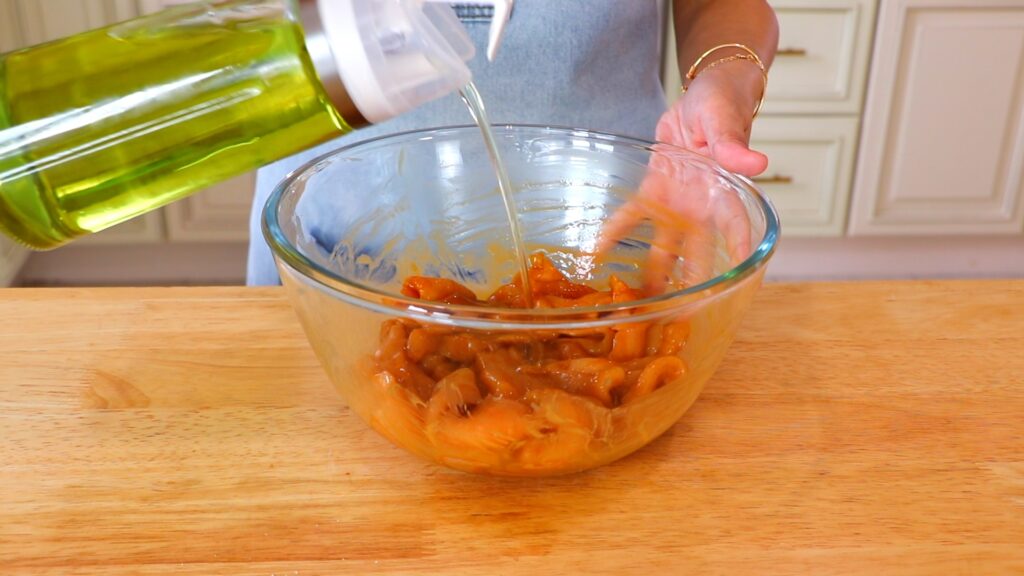
In a bowl, add the sliced chicken and sprinkle in the salt. Mix until slightly tacky.
Add the white pepper, soy sauce, and dark soy sauce. Mix well.
In a small bowl, combine the cornstarch and water to make a slurry. Add the slurry to the chicken and mix until evenly coated. Add the cooking oil and mix again to seal in the marinade.
Tip: Velveting the chicken helps keep it juicy and tender during stir-frying.
Step 2: Prepare the vegetables
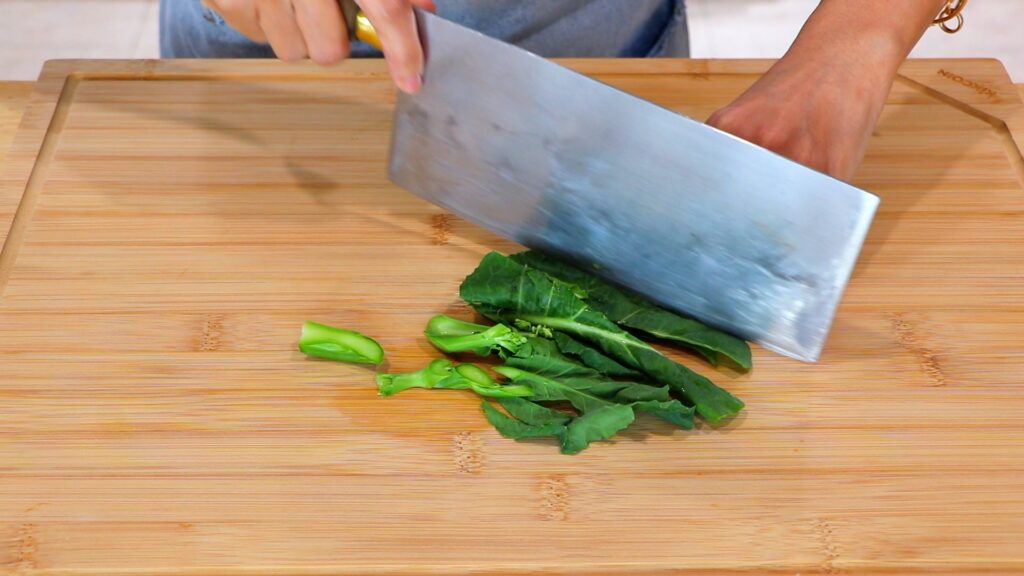
Cut the Chinese broccoli into bite-sized pieces and mince the garlic.
Tip: Having all the ingredients prepared before turning on the heat makes stir-frying much easier since everything cooks quickly.
Step 3: Make the sauce
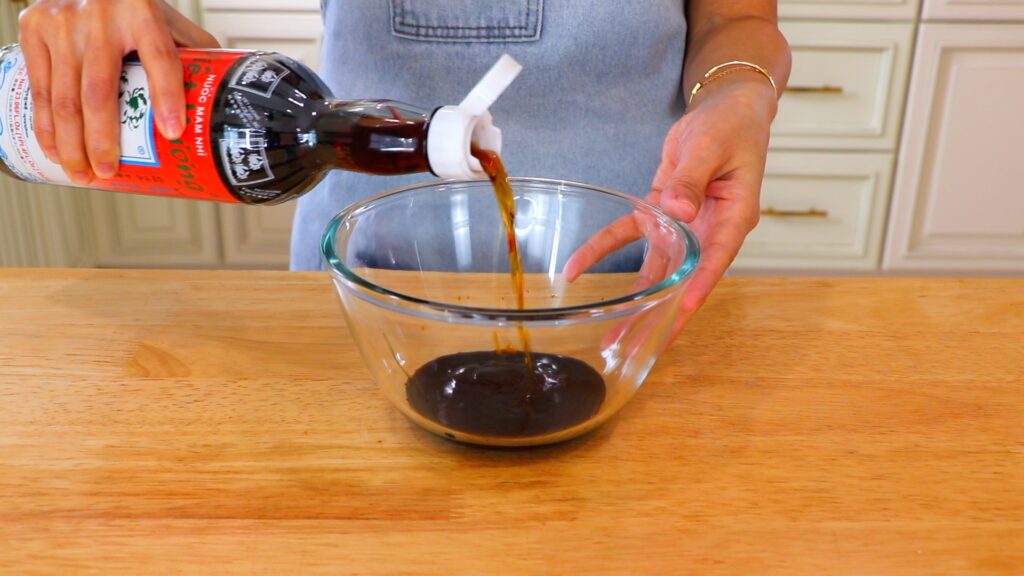
In a bowl, whisk together the soy sauce, dark soy sauce, oyster sauce, fish sauce, sugar, and water until combined.
Tip: Mixing the sauce ahead of time ensures the seasonings are evenly distributed and prevents overcooking while measuring ingredients during stir-frying.
Step 4: Cook the noodles
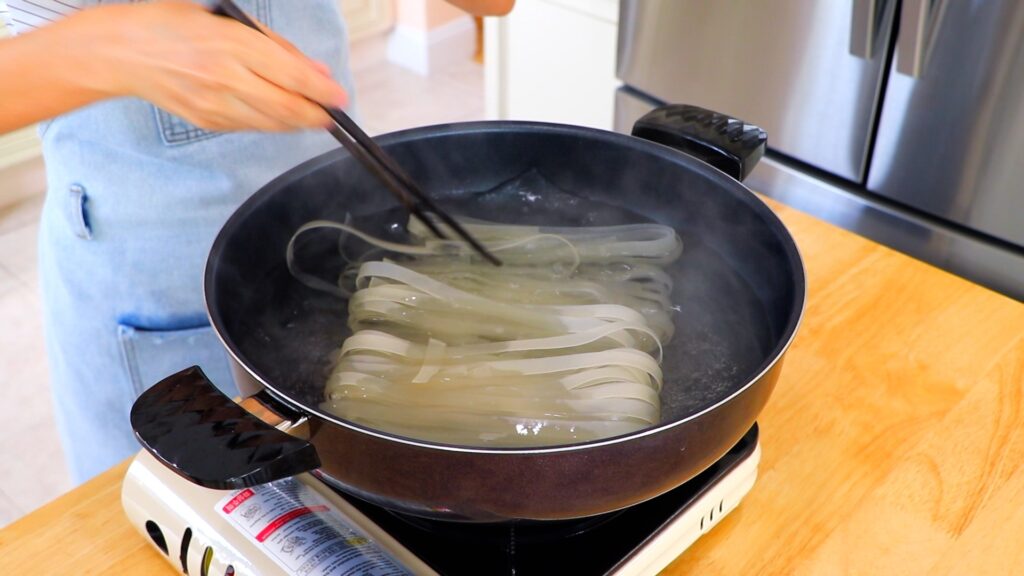
In a pot over high heat, bring water to a boil.
Add the rice noodles and cook for about 3 minutes until softened but still slightly undercooked.
Transfer immediately to cold water to stop the cooking process, then drain well.
Tip: Slightly undercooking the noodles prevents them from becoming mushy during stir-frying.
Step 5: Stir-fry the chicken
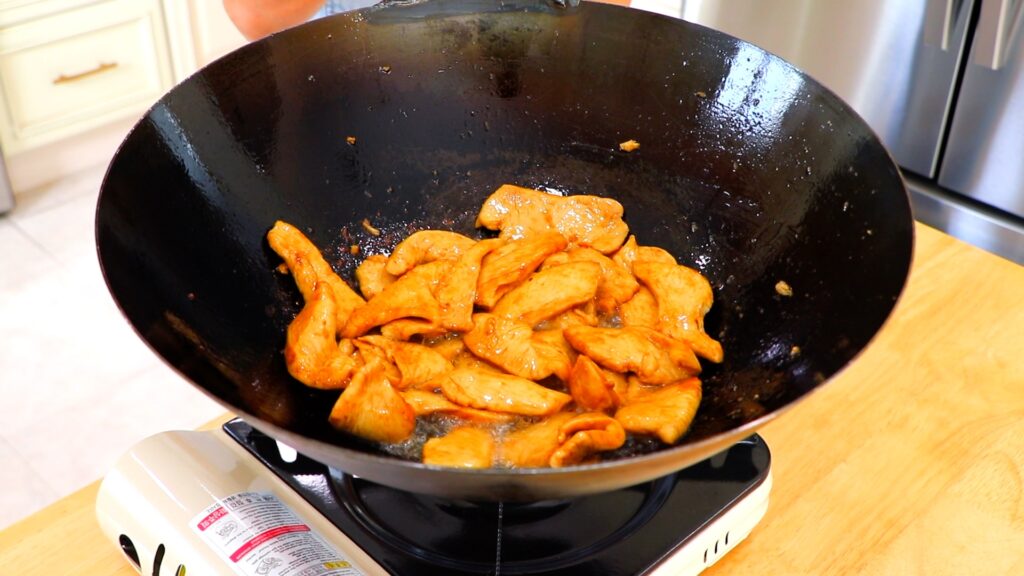
In a wok over high heat, add 1 tablespoon of cooking oil.
Add the chicken and stir-fry for about 3 minutes until fully cooked.
Remove from the wok.
Tip: Cooking the chicken separately helps keep it tender and prevents overcooking.
Step 6: Stir-fry the eggs and Chinese broccoli
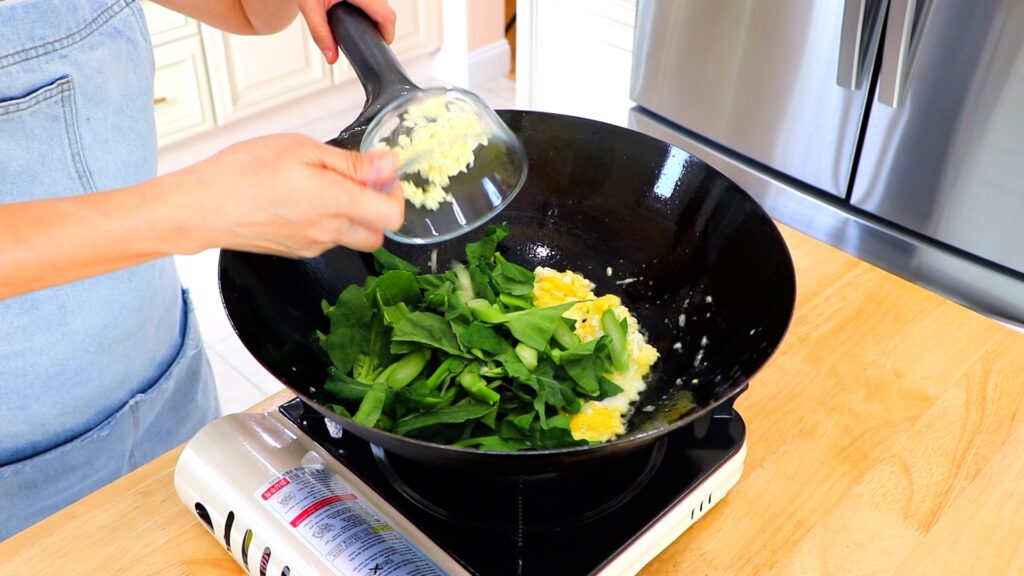
In the same wok over high heat, add 1 tablespoon of cooking oil.
Crack the eggs and stir-fry until partially set.
Add the Chinese broccoli and garlic and stir-fry for about 1 minute until fragrant.
Tip: Chinese broccoli cooks quickly and should remain slightly crisp for the best texture.
Step 7: Stir-fry the noodles and combine
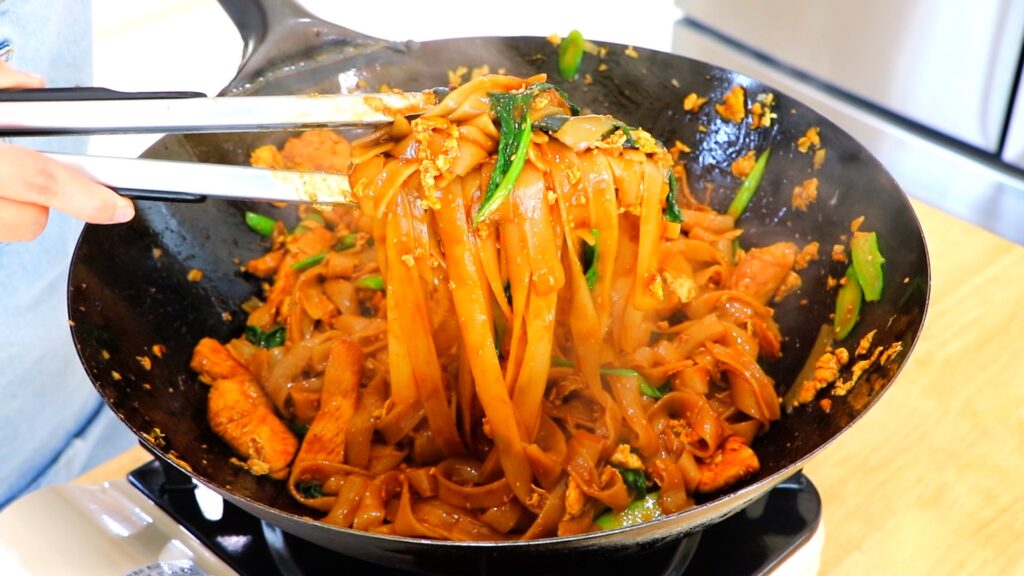
In the wok over high heat, add the remaining cooking oil.
Add the drained noodles and stir-fry until heated through.
Return the chicken, eggs, and Chinese broccoli to the wok and pour in the sauce. Toss for about 1 minute until evenly coated.
Let the noodles sit undisturbed for about 15 seconds to develop a light char before serving.
Tip: This brief pause creates the smoky restaurant-style flavor that makes Pad See Ew so special.
Common Pad See Ew Mistakes
Overcooking the noodles
Overcooked noodles become soft and break apart during stir-frying.
Using low heat
Low heat prevents proper caramelization and reduces smoky flavor.
Stirring constantly
Constant stirring prevents the noodles from developing char.
Adding too much sauce
Too much sauce can make the noodles soggy instead of glossy.
Not draining the noodles well
Excess moisture can steam the noodles rather than stir-fry them.
Frequently Asked Questions
What does Pad See Ew taste like?
Pad See Ew has a rich savory flavor with mild sweetness, smoky notes, and chewy rice noodles.
Is Pad See Ew spicy?
Traditional Pad See Ew is usually not spicy. Chili flakes can be added at the table if desired.
Can I use fresh rice noodles?
Yes. Fresh wide rice noodles are traditional and work beautifully in this recipe.
Why aren’t my noodles smoky?
The most common reasons are low heat or stirring too frequently. Allowing the noodles to sit briefly in the wok helps create char.
Can I make Pad See Ew ahead of time?
Pad See Ew is best enjoyed fresh, but leftovers can be refrigerated and reheated the next day.
Can I use another protein?
Absolutely. Shrimp, beef, pork, tofu, or even a combination of proteins work well.
20-Minute Chicken Pad See Ew Recipe
Ingredients
For the chicken and marinade
- 3/4 pound chicken breast, sliced against the grain
- Pinch of salt
- Pinch of white pepper
- 1 tablespoon soy sauce
- 1 tablespoon dark soy sauce
- 1 teaspoon cornstarch
- 1 tablespoon water
- 1 tablespoon cooking oil
For the sauce
- 1 tablespoon soy sauce
- 2 tablespoons dark soy sauce
- 1 tablespoon oyster sauce
- 1 tablespoon fish sauce
- 1 teaspoon sugar
- 1/2 cup water
For the stir-fry
- 14 ounces dried thick rice noodles
- 3 tablespoons cooking oil, separated
- 2 large eggs
- 3 stalks Chinese broccoli, cut into bite-sized pieces
- 3 cloves garlic, minced
Instructions
- To prepare the chicken, slice the chicken breast against the grain into ¼-inch slices. In a bowl, add the sliced chicken and sprinkle with salt, mixing until slightly tacky. Add the white pepper, soy sauce, and dark soy sauce and mix well. In a small bowl, combine the cornstarch and water to form a slurry, then mix it into the chicken. Add the cooking oil to seal in moisture and prevent sticking. Let marinate while preparing the remaining ingredients.
- To prepare the vegetables, cut the Chinese broccoli into bite-sized pieces and mince the garlic.
- To make the sauce, in a bowl, whisk together the soy sauce, dark soy sauce, oyster sauce, fish sauce, sugar, and water until combined.
- To cook the noodles, in a pot over high heat, bring water to a boil. Add the dried rice noodles and cook for about 3 minutes until softened but still slightly undercooked. Transfer immediately to cold water to stop the cooking, then drain well.
- To stir-fry the chicken, in a wok over high heat, add 1 tablespoon of cooking oil. Add the marinated chicken and stir-fry for about 3 minutes until fully cooked. Remove and set aside.
- To stir-fry the eggs and Chinese broccoli, in the same wok over high heat, add 1 tablespoon of cooking oil. Crack in the eggs and stir-fry until partially set, then push to one side. Add the Chinese broccoli and garlic and stir-fry for about 1 minute until fragrant. Remove everything and set aside.
- To stir-fry the noodles and combine, in the wok over high heat, add the remaining tablespoon of cooking oil. Add the drained noodles and stir-fry until heated through. Return the chicken, eggs, and Chinese broccoli to the wok and pour in the sauce. Toss for about 1 minute until evenly coated. Let the noodles sit undisturbed for about 15 seconds to develop a light char before serving.
Video
Notes
Tips & notes
- Slice against the grain: Chicken breast has long muscle fibers. Cutting against the grain keeps the meat tender and juicy.
- Choose the right noodles: Thick rice noodles with a bit of starch hold together better and won’t break apart during stir-frying.
- Don’t overcook the noodles: Slightly undercooking them during boiling prevents mushy noodles later.
- High heat matters: Keep the wok hot to achieve that signature smoky flavor without steaming the noodles.
- Let it char: That final 15-second rest in the wok creates the lightly caramelized flavor that makes Pad See Ew so irresistible.
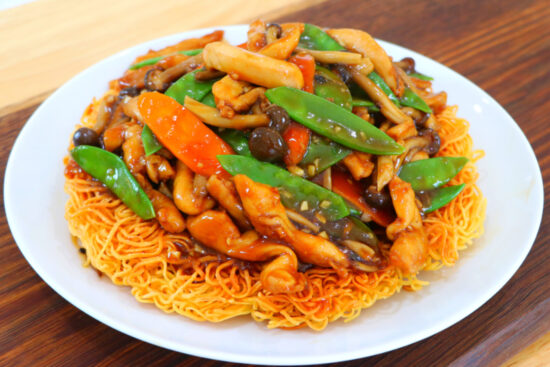
30-Min Hong Kong Crispy Chow Mein with Chicken
There’s something special about Hong Kong Crispy Chow Mein. You start with golden, crispy noodles, then spoon tender chicken, fresh vegetables, and a silky, savory …
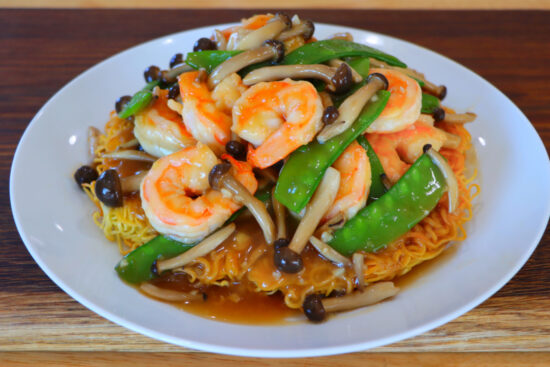
30-Min Hong Kong Crispy Chow Mein with Shrimp
Hong Kong Crispy Chow Mein is all about texture—that moment when the noodles hit the plate still golden and crackly, with silky shrimp and glossy …
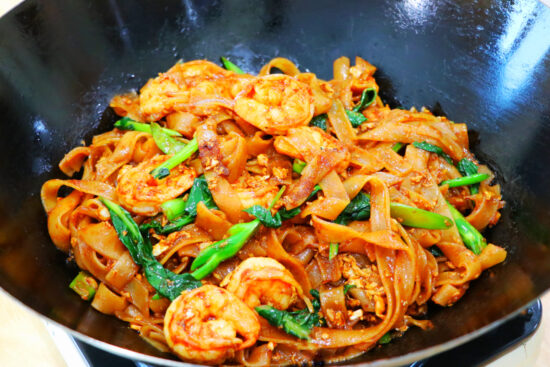
15-Min Shrimp Pad See Ew Recipe
Shrimp Pad See Ew has always been a nostalgic dish for me. Growing up in Thailand, it was one of those meals you could find …
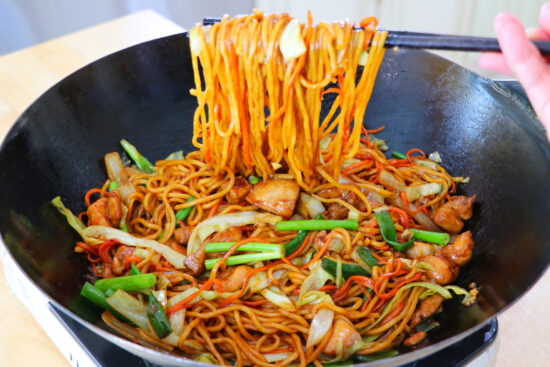
20-Min Chicken Teriyaki Lo Mein Recipe
Teriyaki Chicken Lo Mein brings together two flavors I’ve always loved: classic Chinese lo mein noodles and the sweet, glossy richness of Japanese-style teriyaki. Lo …
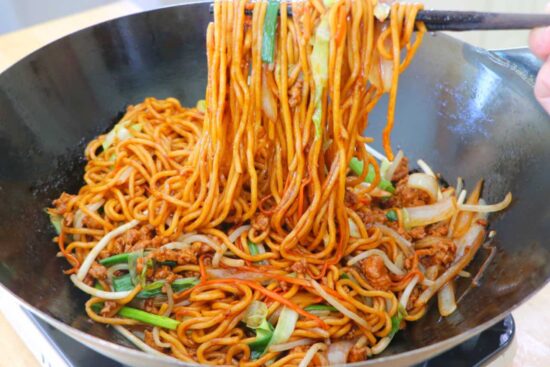
15-Min Ground Chicken Lo Mein Recipe
Ground Chicken Lo Mein is one of my favorite weeknight dinners when I need something fast, comforting, and satisfying. Instead of slicing chicken breast like …
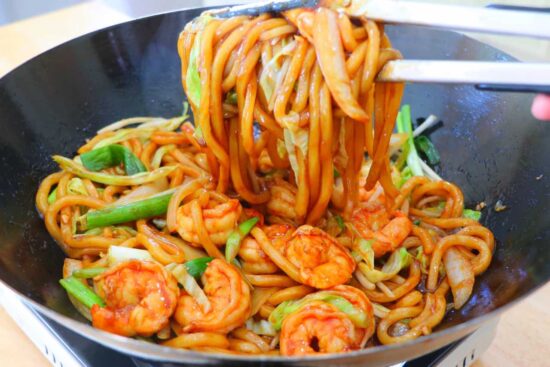
15-Min Shrimp Udon Stir-Fry Recipe
Shrimp Udon Stir-Fry is something I make often at home, especially because udon is my daughters’ favorite type of noodle. They love that thick, chewy …
I love you yummy recipes I do have to change some ingredients as im Gluten Intolerance
Hi Eileen, Thank you so much! I’m really glad you’re enjoying the recipes. Please feel free to adjust the ingredients —— Pad See Ew is very forgiving, and gluten-free swaps work great. Happy cooking!
I love the way you present your cooking with simple ingredients but looks delicious. Thank you for sharing your ingredients.
Hi Yolanda, I’m really happy you enjoy the simple ingredients and presentation. Thanks for watching and cooking along with me!