
No products in the cart.
10-Minute Shrimp with Lobster Sauce Recipe
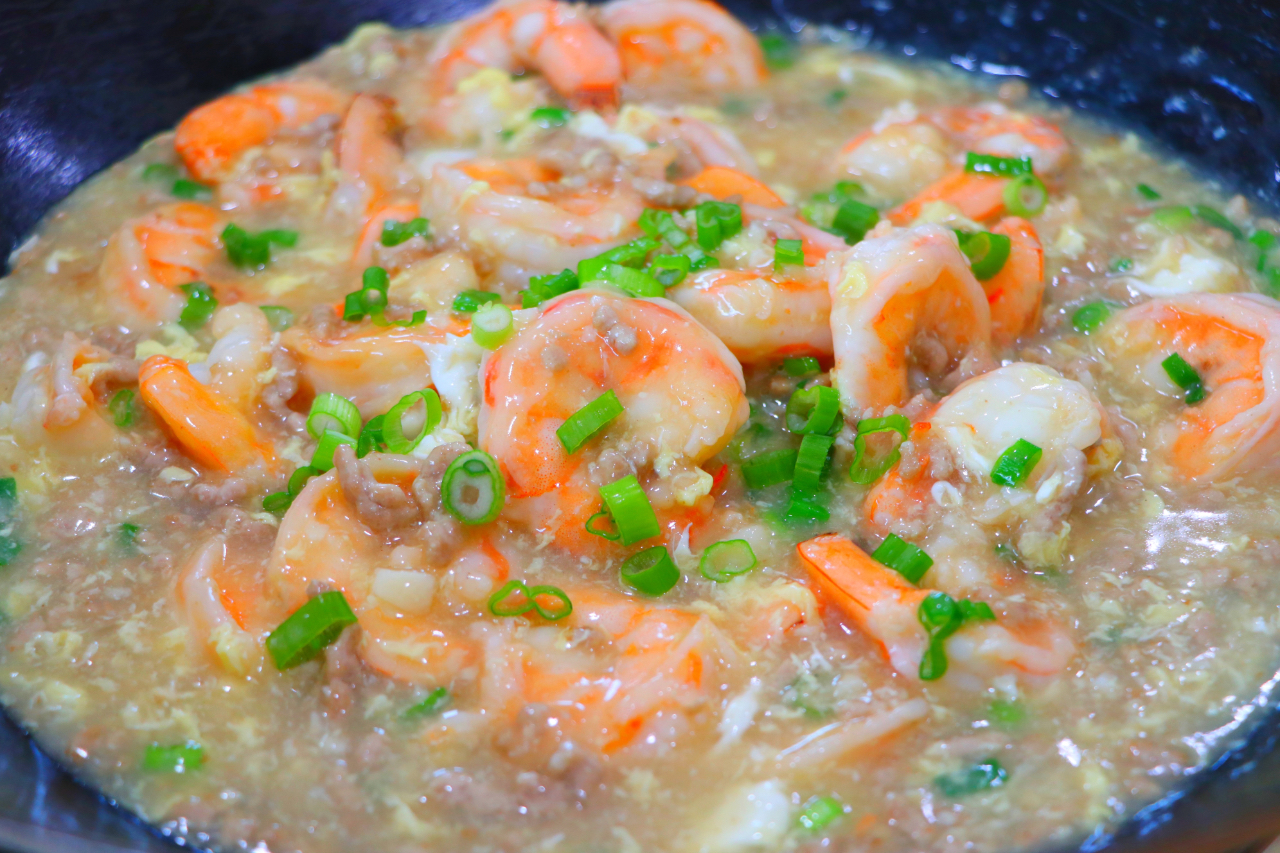
Shrimp with Lobster Sauce is a classic Chinese takeout dish that’s simple, comforting, and full of flavor. Juicy shrimp are cooked in a light, savory sauce with garlic, egg ribbons, and a silky texture, making it perfect over a bowl of rice.
The first time you hear the name, it’s a little confusing—there’s no lobster at all. But once you understand where the sauce comes from, it makes perfect sense, and it actually becomes one of the most interesting parts of the dish.
This is something I love making when I want a quick, satisfying meal that still feels like restaurant-quality. It comes together in about 10 minutes, and the flavors are clean, balanced, and really comforting.
If you’ve ever ordered this at a Chinese restaurant and wondered how it’s made, I’ll walk you through it step by step so you can recreate it easily at home.
Why Is It Called Lobster Sauce If There’s No Lobster?
Lobster sauce comes from traditional Cantonese cooking.
Originally, this style of sauce was used in lobster dishes, made with pork, garlic, fermented black beans, egg, and stock. Over time, when Chinese restaurants adapted dishes for takeout, shrimp became a more common and affordable option—but the name stayed the same.
That’s why you get all that rich, savory flavor, even without any lobster.
What Does Lobster Sauce Taste Like?
Lobster sauce is light, savory, and slightly silky.
It’s built from stock and aromatics, with a gentle thickness from cornstarch and soft egg ribbons that give it a smooth texture. The garlic and ginger add fragrance, while the shrimp brings a natural sweetness.
It’s not heavy or overly saucy—it’s more delicate, but very satisfying.
Regional Styles of Lobster Sauce
You’ll notice this dish can look a little different depending on where you order it.
In Cantonese-style cooking, the sauce is usually lighter in color and more delicate in flavor, often without soy sauce, so it stays pale and clean.
In Boston and parts of New England, you’ll often see a darker version made with soy sauce and sometimes fermented black beans. The flavor is a bit richer and more savory.
Both styles come from the same roots—just slightly different regional preferences.
How to Get That Restaurant-Style Texture
The texture of this dish is what makes it so special.
Cook the shrimp just until they turn lightly pink, then let them finish cooking in the sauce so they stay tender. The sauce should be lightly thickened so it coats the shrimp without feeling heavy.
For the egg, slowly drizzle it into the hot liquid and let it set before gently stirring. This creates soft, delicate ribbons instead of scrambled pieces.
How to Keep Shrimp Tender and Juicy
Shrimp cook very quickly, so timing is everything.
A light coating of cornstarch helps lock in moisture and gives the shrimp a smooth texture. Cooking them briefly at the start, then finishing them in the sauce, keeps them from overcooking.
You’re looking for shrimp that are tender and slightly bouncy, not firm or rubbery.
Can You Make This Without Pork?
Yes, very easily.
Ground pork adds a bit of richness, but you can leave it out or replace it with ground chicken. You can also make a lighter version with just shrimp and egg—it will still be flavorful and satisfying.
Optional Add-Ins and Variations
You can easily adjust this dish depending on your preference.
• Add peas and carrots for a classic takeout-style version
• Add fermented black beans for a deeper, more traditional flavor
• Add a splash of soy sauce for a darker, richer sauce
These small changes can give the dish a slightly different character while keeping the same base.
Let’s Talk Ingredients
Shrimp
Large shrimp work best here. They stay juicy and slightly bouncy when cooked properly, and their natural sweetness pairs beautifully with the savory sauce.
Ground pork (or chicken)
This adds richness and depth to the dish. As it cooks, it releases flavor into the sauce, giving it that classic taste you often get at Chinese restaurants.
Garlic and ginger
These build the foundation of the flavor. The garlic gives a bold aroma, while the ginger adds warmth and balance.
Chicken stock or seafood stock
This forms the base of the sauce. It keeps the dish light but still flavorful, allowing the shrimp and aromatics to stand out.
Egg
The egg creates those soft, silky ribbons in the sauce. It’s a small step, but it completely changes the texture of the dish.
Cornstarch slurry
A simple mix of cornstarch and water thickens the sauce just enough so it coats the shrimp without becoming heavy.
Scallions and sesame oil
Scallions add freshness, and sesame oil brings a light, nutty finish at the end.
Cooking oil
Use a neutral, high-smoking-point cooking oil. This helps you stir-fry the shrimp quickly and build the sauce without burning the aromatics.
Step-by-Step: Let’s Cook
Serves: 4
Prep time: 5 minutes
Cook time: 5 minutes
Step 1: Season the shrimp
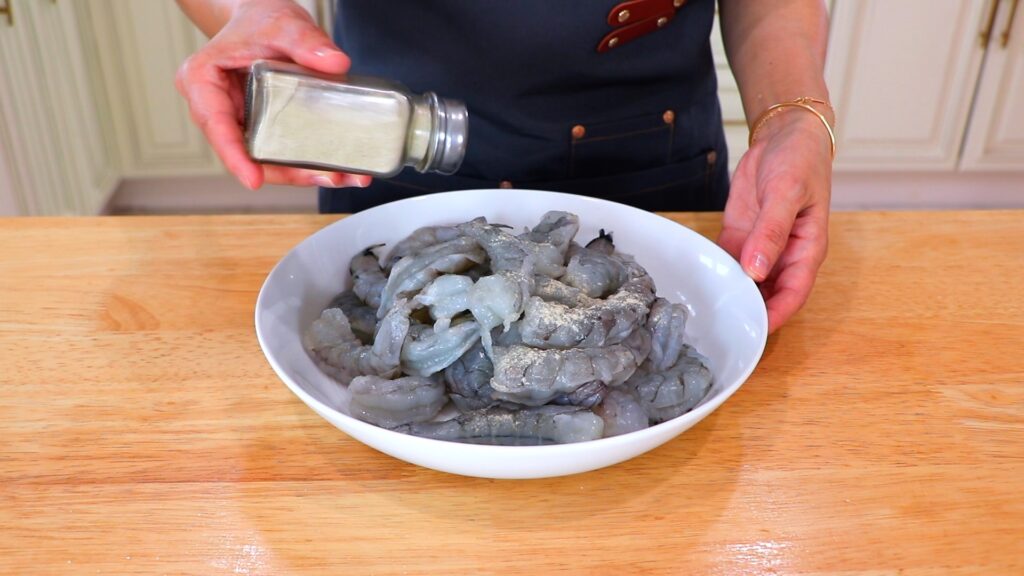
In a bowl, season the shrimp with salt and white pepper, then mix well. Add the cornstarch and mix to coat evenly, then add the cooking oil and mix again.
Tip: This light coating helps keep the shrimp tender and prevents sticking during cooking.
Step 2: Cook the shrimp
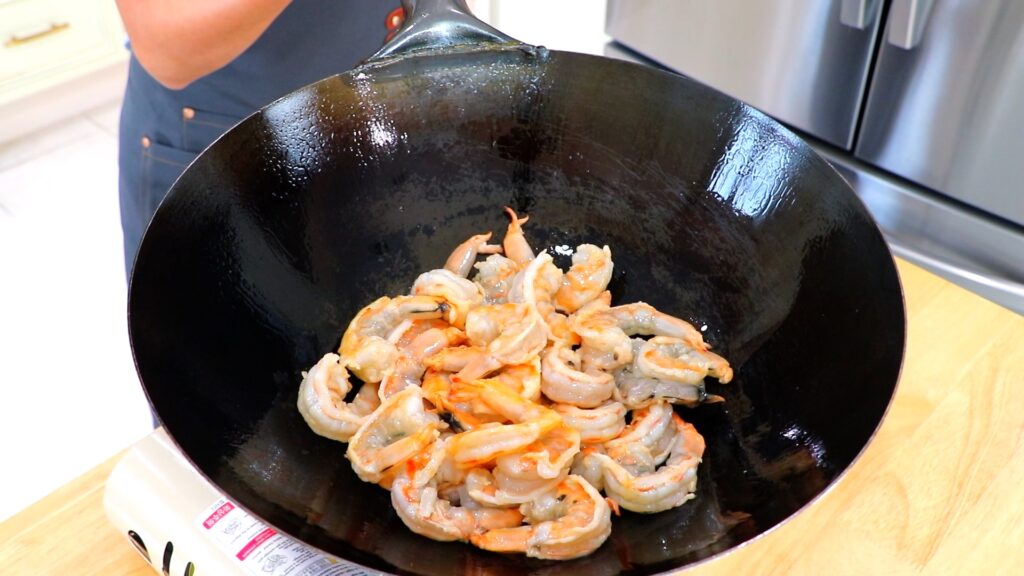
In a wok over medium-high heat, heat the cooking oil, then add the shrimp and stir-fry for about 1 minute until lightly pink. Remove and set aside.
Tip: The shrimp will finish cooking later, so don’t overcook them here.
Step 3: Cook the pork
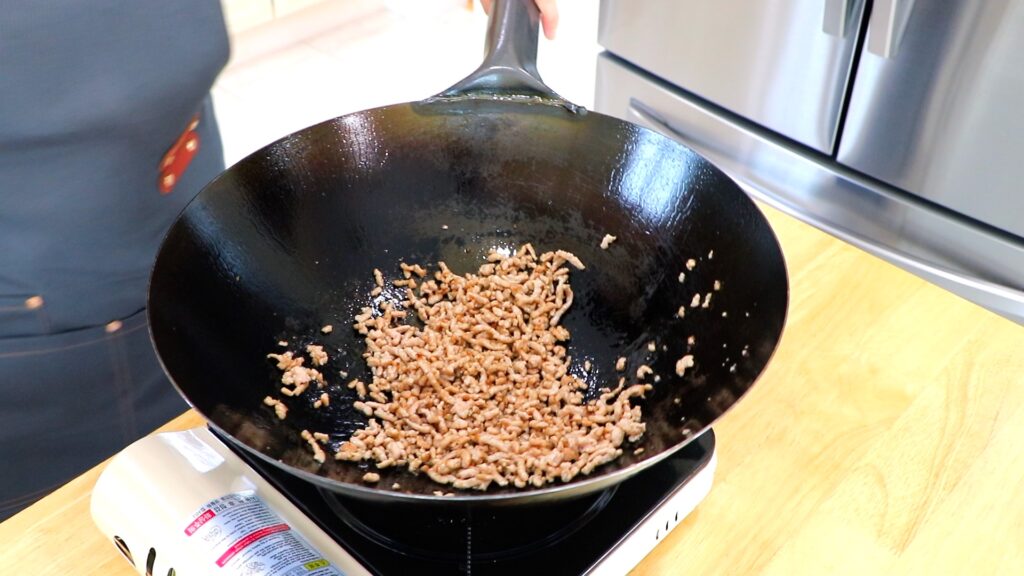
In the same wok over high heat, add the remaining cooking oil, then add the ground pork and cook for about 2 minutes, breaking it apart as it cooks.
Tip: Browning the pork adds depth and richness to the sauce.
Step 4: Add aromatics
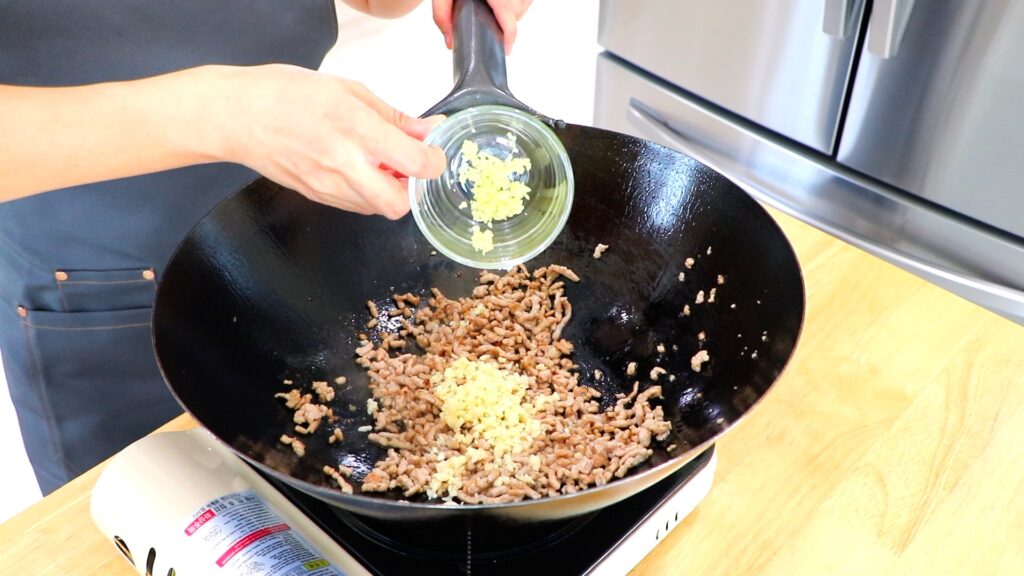
Add the garlic and ginger, then stir-fry briefly until fragrant.
Tip: Keep this step quick so the garlic doesn’t burn.
Step 5: Build the sauce
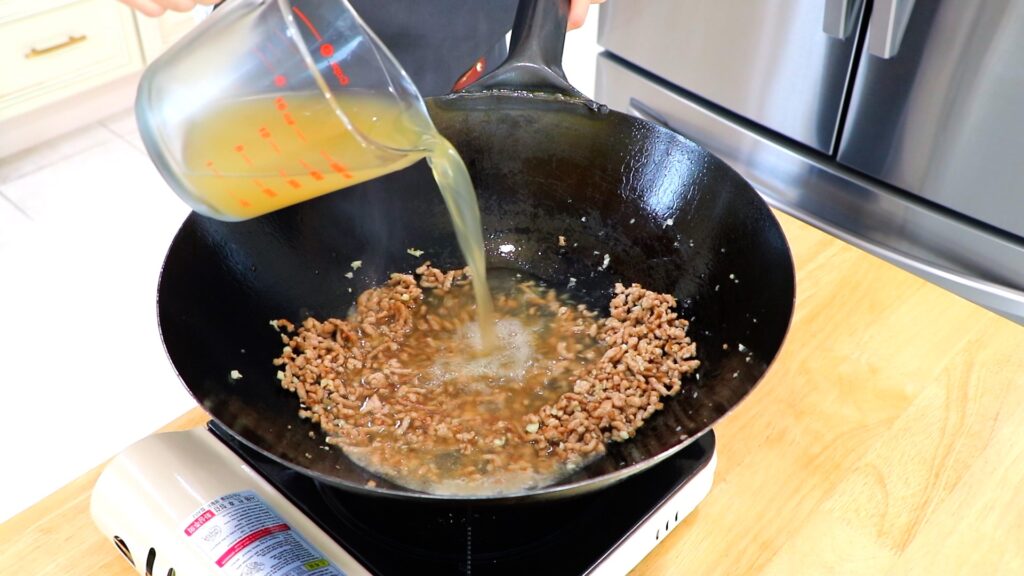
Pour in the chicken stock, then season with salt and white pepper. Bring to a boil and skim off any foam from the surface.
Tip: A clean broth gives you a smoother, more refined sauce.
Step 6: Return the shrimp
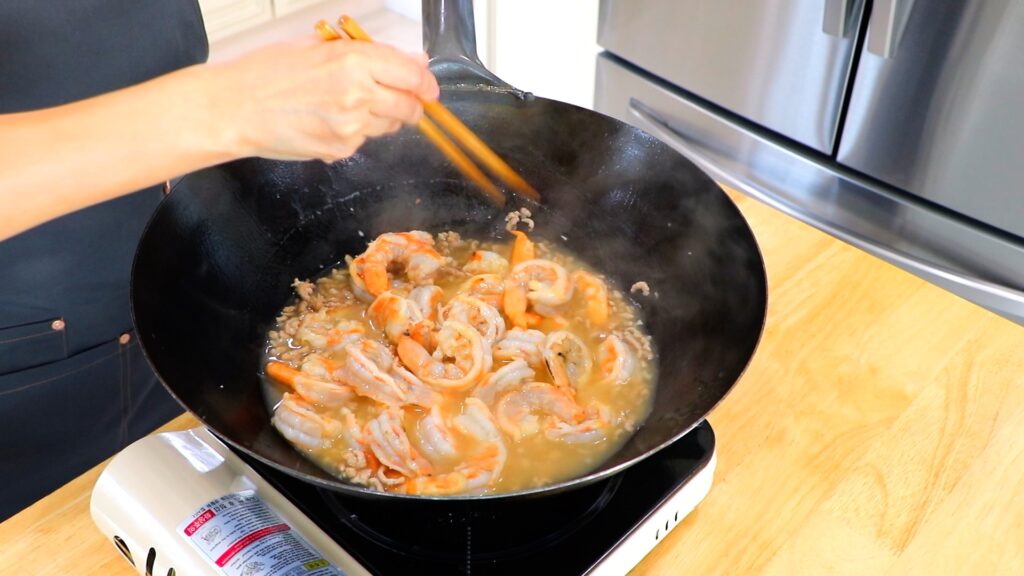
Add the shrimp back to the wok and let it cook briefly in the sauce.
Tip: This finishes cooking the shrimp while letting it absorb flavor.
Step 7: Thicken the sauce
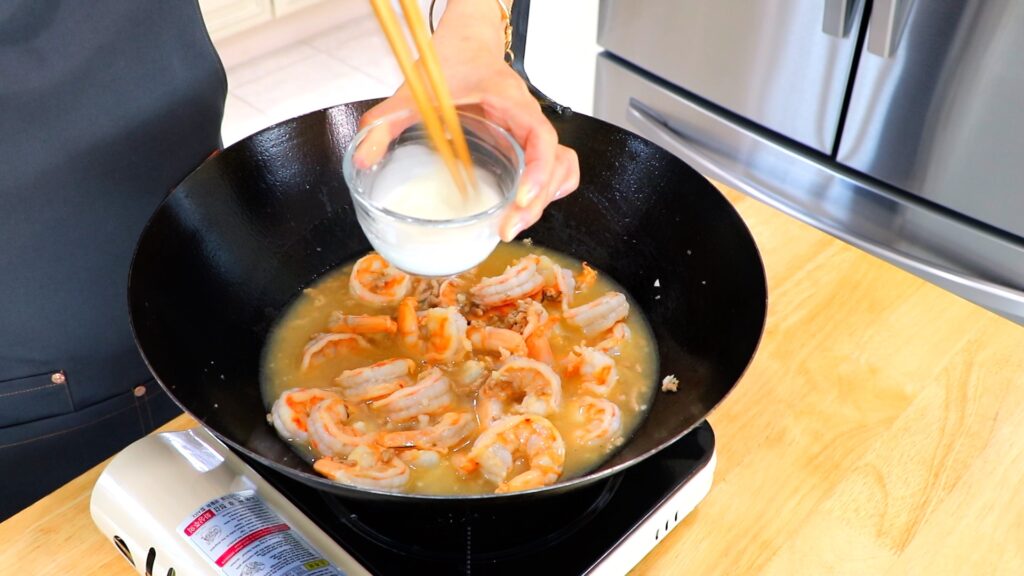
In a small bowl, mix the cornstarch with water to form a slurry, stir again, then pour into the wok and mix until the sauce thickens.
Tip: Add the slurry gradually so you can control the consistency.
Step 8: Create egg ribbons and finish
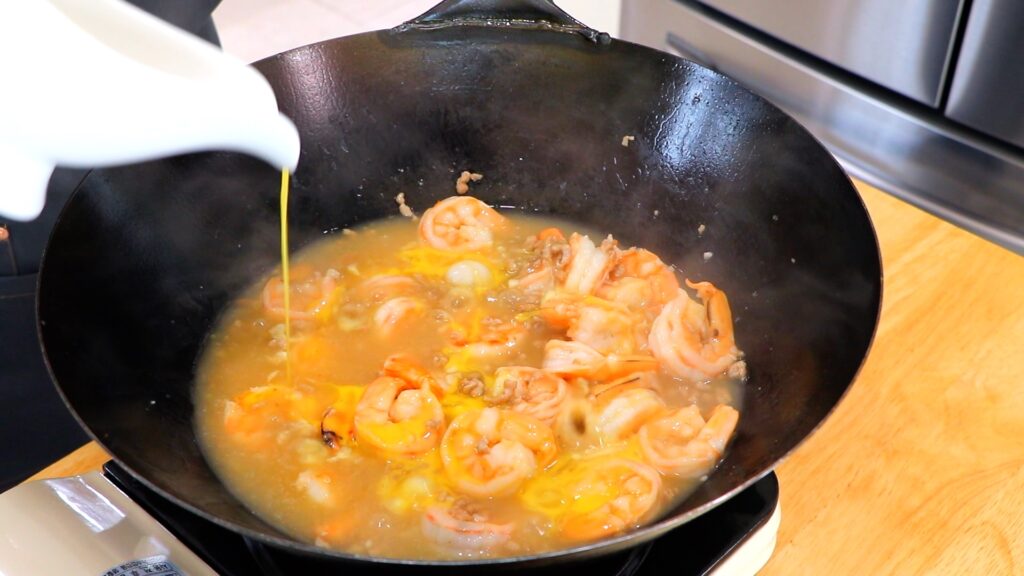
Slowly drizzle in the beaten egg, wait a few seconds until it sets, then gently stir in one direction to form soft ribbons. Add the scallions and sesame oil, then serve immediately.
Tip: Letting the egg set before stirring gives you that smooth, silky texture instead of scrambled pieces.
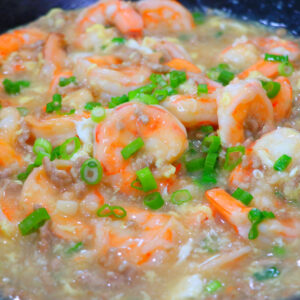
10-Minute Shrimp with Lobster Sauce Recipe
Chinese Shrimp with Lobster Sauce is a quick, savory dish with tender shrimp in a silky garlic egg sauce—no lobster needed.
Ingredients
For the shrimp
- 1 ½ pounds large shrimp, peeled and deveined
- Pinch of salt
- Pinch of white pepper
- 1 teaspoon cornstarch
- 1 tablespoon cooking oil
For the lobster sauce
- 2 tablespoons cooking oil, divided
- ½ pound ground pork, or ground chicken
- 3 cloves garlic, minced
- ½ teaspoon ginger, minced
- 2 cups chicken stock, or seafood stock
- Pinch of salt
- Pinch of white pepper
- 1 tablespoon cornstarch, for slurry
- 3 tablespoons water, for slurry
- 1 large egg, beaten
- 2 stalks scallions, thinly sliced
Instructions
- To season the shrimp, in a bowl, combine the shrimp with salt and white pepper and mix well, then add the cornstarch and mix to coat evenly. Add the cooking oil and mix again.
- To cook the shrimp, in a wok over medium-high heat, heat 1 tablespoon of the cooking oil, then add the shrimp and stir-fry for about 1 minute until lightly pink. Remove the shrimp.
- To cook the pork, in the same wok over high heat, add the remaining 1 tablespoon cooking oil, then add the ground pork and cook for about 2 minutes, breaking it apart as it cooks.
- To build the base, add the garlic and ginger and stir-fry briefly until fragrant.
- To make the sauce, pour in the chicken stock, then season with salt and white pepper and bring to a boil, skimming off any foam.
- To combine, return the shrimp to the wok and let it cook briefly in the sauce.
- To thicken, in a small bowl, mix the cornstarch with the water to form a slurry, stir again, then pour into the wok and mix until the sauce thickens.
- To finish, slowly drizzle in the beaten egg, wait a few seconds until it sets, then gently stir in one direction to form soft ribbons. Add the scallions and serve immediately.
Video
Notes
• Season and coat the shrimp: A light coating of cornstarch helps the shrimp stay tender and gives it a smooth, slightly silky texture.
• Don’t overcook the shrimp: Cook just until lightly pink, then finish in the sauce to keep them juicy and bouncy.
• Brown the pork for flavor: Let the pork cook undisturbed for a moment before breaking it apart so it develops more depth.
• Keep the aromatics quick: Garlic and ginger cook fast—just a few seconds is enough to release their fragrance without burning.
• Use a clean broth: Skimming off foam helps keep the sauce clear and smooth.
• Stir the slurry before adding: Cornstarch settles quickly, so mix it again right before pouring to ensure even thickening.
• Create soft egg ribbons: Drizzle the egg slowly and let it set before stirring to get that silky texture instead of scrambled pieces.
• Adjust the flavor: Add a splash of soy sauce or fermented black beans if you prefer a richer, darker sauce.
• Protein swap: You can use ground chicken instead of pork, or skip it for a lighter version—the dish will still be flavorful.
30-Min Crispy Rice Paper Crab Dumplings
Crispy Rice Paper Crab Dumplings are one of my favorite ways to turn a few simple ingredients into something incredibly crunchy and satisfying. Filled with …
30-Min Hong Kong Crispy Chow Mein with Shrimp
Hong Kong Crispy Chow Mein is all about texture—that moment when the noodles hit the plate still golden and crackly, with silky shrimp and glossy …
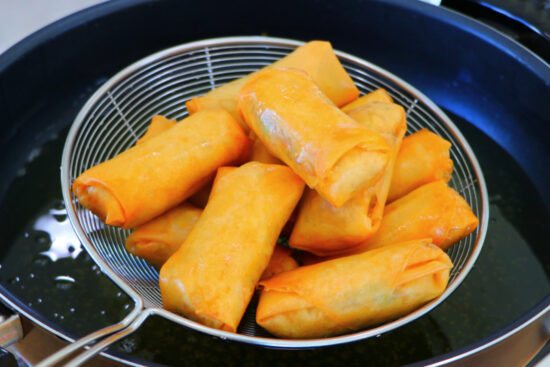
30-Min Shrimp Spring Rolls
Shrimp Spring Rolls are crispy, golden, and filled with a savory mixture of shrimp, vegetables, and glass noodles. Each bite has that perfect crunch on …
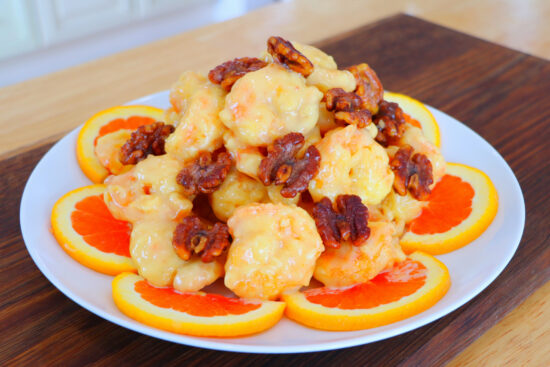
20-Min Honey Walnut Shrimp Recipe
Honey Walnut Shrimp (核桃虾) is a traditional Cantonese banquet dish known for its lightly battered shrimp, glossy candied walnuts, and silky sweet sauce. It’s often …
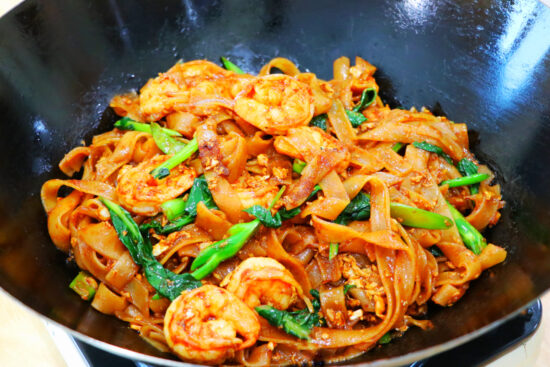
15-Min Shrimp Pad See Ew Recipe
Shrimp Pad See Ew has always been a nostalgic dish for me. Growing up in Thailand, it was one of those meals you could find …
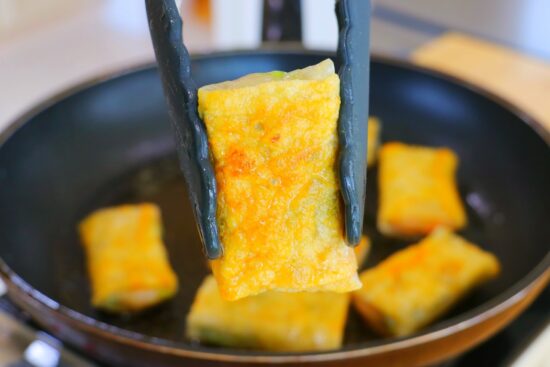
30-Min Crispy Shrimp Dumplings with Rice Paper
Crispy Shrimp Dumplings with Rice Paper are a fun twist on dumplings, with a delicate shell that shatters when you bite into it and a …
Yummy
Thanks so much, Kathy! I’m so glad that you enjoyed the recipe!