
No products in the cart.
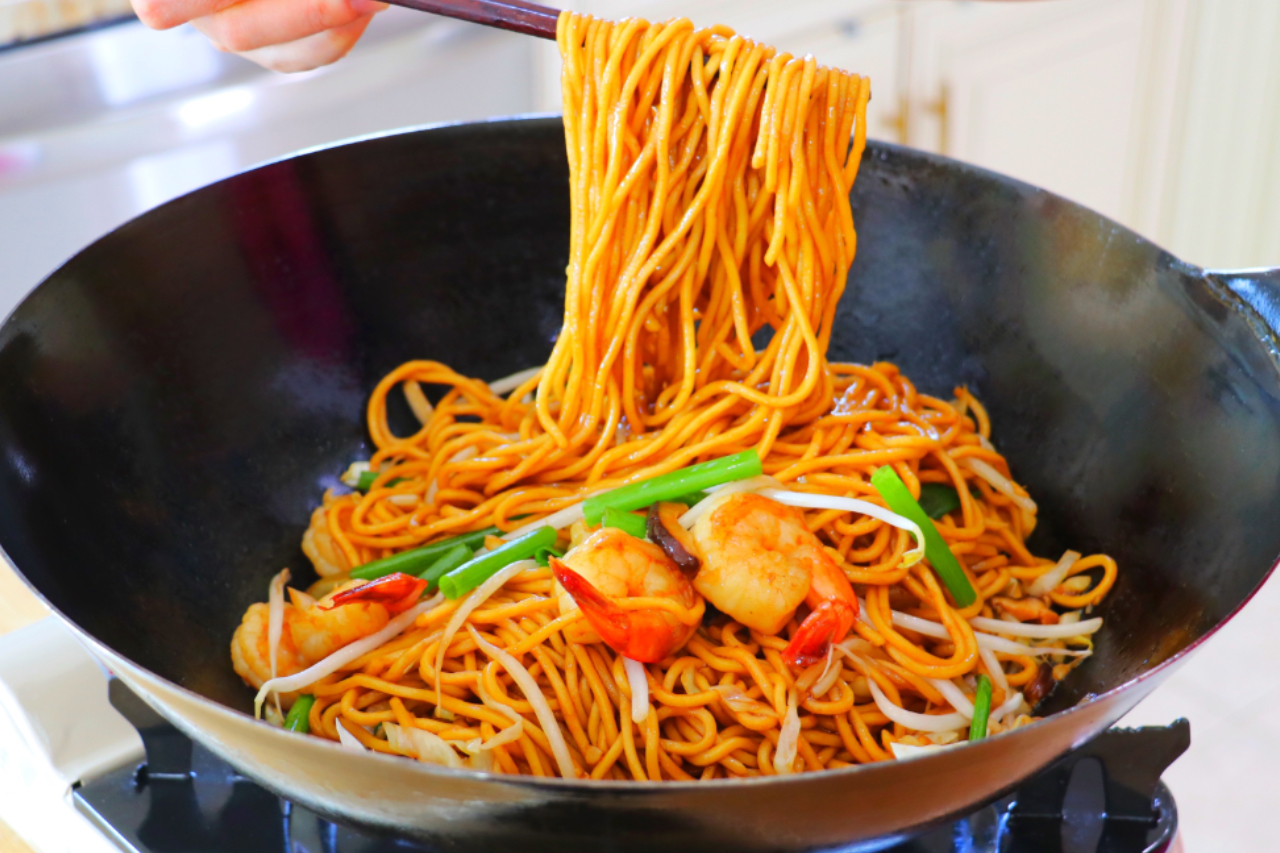
15-Min Shrimp Lo Mein Recipe
15-Min Shrimp Lo Mein
Every time I make Shrimp Lo Mein, it disappears within minutes. There’s just something irresistible about tender shrimp, chewy noodles, crisp vegetables, and a savory sauce that coats every strand. It’s one of those meals that looks like it came from your favorite Chinese restaurant, yet it’s surprisingly easy to make at home.
One of the reasons I love making Shrimp Lo Mein is how quickly it comes together. In about 15 minutes, dinner is on the table, and I know exactly what’s going into it. I can load it up with fresh vegetables, adjust the seasoning to my family’s taste, and skip the extra oil that often comes with takeout.
The secret isn’t a complicated sauce or fancy ingredients. It’s cooking the noodles just until al dente and stir-frying everything over high heat so the noodles stay springy instead of soft and soggy.
If you’re craving restaurant-style Shrimp Lo Mein, this easy recipe will show you exactly how to make it at home.
Chinese-American Lo Mein vs. Cantonese Lo Mein vs. Chow Mein
One question I get all the time is, “What’s the difference between lo mein and chow mein?” While both are popular Chinese noodle dishes, they actually refer to different cooking methods. Even lo mein has evolved into two distinct styles.
This recipe is based on the Chinese-American takeout-style Shrimp Lo Mein, but here’s how it compares to traditional Cantonese lo mein and chow mein.
Chinese-American Lo Mein
Lo mein (撈麵) literally translates to “tossed noodles.” The Chinese character 撈 means to mix or toss, while 麵 means noodles.
In traditional Chinese cooking, the name refers to the noodles being tossed with a sauce after cooking. In North America, however, lo mein has evolved into the popular takeout dish many of us know today.
Tender egg noodles are lightly stir-fried with shrimp, vegetables, and a savory sauce until everything is evenly coated. Although the noodles spend a short time in the wok, they’re still considered lo mein because the dish centers on tossing the noodles with the sauce rather than frying them until browned.
Traditional Cantonese Lo Mein
Traditional Cantonese lo mein stays much closer to the original meaning of “tossed noodles.”
Fresh egg noodles are cooked until tender, then tossed with a light sauce or seasoned oil. Instead of stir-frying everything together, toppings such as wontons, char siu, roast duck, or beef brisket are often served on top or alongside the noodles.
The focus is on the quality and texture of the noodles, with just enough seasoning to enhance their flavor.
Chow Mein
Chow mein (炒麵) literally translates to “stir-fried noodles.” The character 炒 means to stir-fry, making stir-frying the defining cooking method.
Chow mein isn’t just one recipe—it’s a broad category of stir-fried noodle dishes found throughout China. Depending on the region, the noodles may be quickly stir-fried until lightly browned and chewy or pan-fried until golden and crispy, like Hong Kong Crispy Chow Mein.
Compared to lo mein, chow mein is usually drier because the noodles spend more time frying in the wok and are coated with less sauce.
Which One Should You Choose?
If you’re craving tender noodles tossed with shrimp, vegetables, and a savory sauce, this Chinese-American Shrimp Lo Mein is the perfect choice.
If you prefer lightly seasoned noodles that highlight the flavor and texture of fresh egg noodles, you’ll enjoy traditional Cantonese lo mein.
And if crispy, pan-fried noodles are your favorite, Hong Kong Crispy Chow Mein is hard to beat.
What Are the Best Noodles for Lo Mein?
Fresh Chinese egg noodles are the best choice for lo mein. They have a springy, chewy texture and hold up well when tossed with sauce or briefly stir-fried.
In North America, you’ll usually find them labeled as lo mein noodles or fresh egg noodles in the refrigerated section of Asian grocery stores.
If fresh noodles aren’t available, dried lo mein noodles work well too. Spaghetti can be used in a pinch, but it won’t have quite the same eggy flavor or springy texture.
Whichever noodles you use, cook them just until al dente because they’ll continue cooking when tossed in the wok.
The Secret to Lo Mein That Isn’t Mushy
One of the biggest mistakes is overcooking the noodles before they ever reach the wok.
Boil them just until al dente, then rinse them under cold water to stop the cooking process and wash away excess surface starch. This helps prevent the noodles from sticking together and keeps them springy during stir-frying.
The final minute in the wok finishes cooking the noodles while allowing them to soak up the sauce.
Let’s Talk Ingredients
Shrimp: Medium or large shrimp both work well. Peel and devein them before cooking.
Lo mein noodles: Fresh egg noodles give the best texture, but dried lo mein noodles work too.
Dark soy sauce: Adds the classic rich brown color without making the noodles overly salty.
Oyster sauce: Brings savory depth and a subtle sweetness.
Garlic: Adds aroma and complements the shrimp beautifully.
Shiitake mushrooms: Their earthy flavor pairs perfectly with the savory sauce.
Bean sprouts and scallions: Added at the end to keep them crisp and fresh.
Step-by-Step: Let’s Cook
Serves: 4
Prep Time: 8 minutes
Cook Time: 7 minutes
Step 1: Season the Shrimp
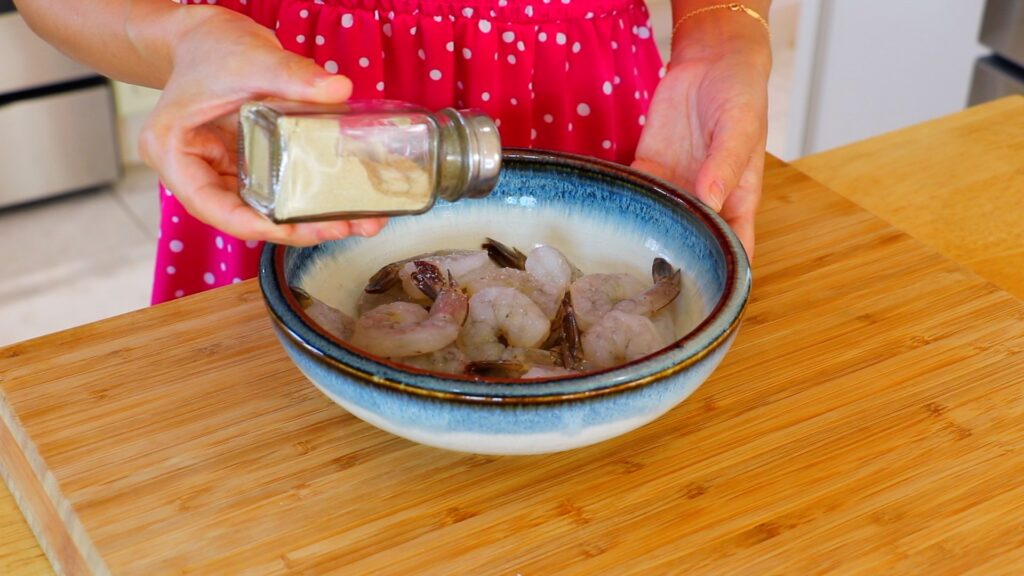
Season the shrimp with the salt and white pepper and mix until evenly coated.
Tip: Pat the shrimp dry before seasoning so they sear instead of steam.
Step 2: Make the Sauce
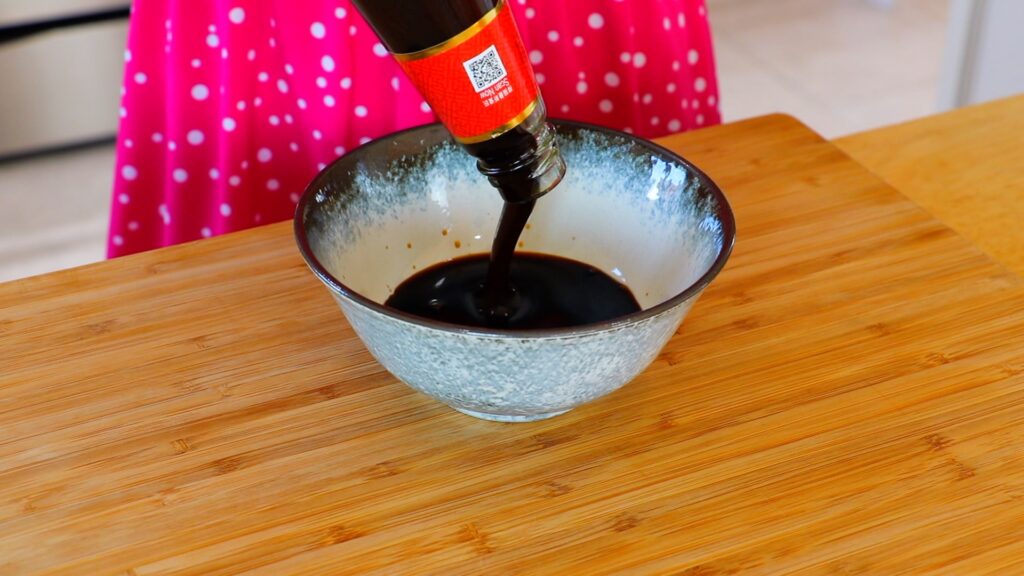
Whisk together the soy sauce, dark soy sauce, oyster sauce, and water until combined.
Tip: Mixing the sauce beforehand lets you stir-fry quickly once the wok is hot.
Step 3: Cook the Noodles
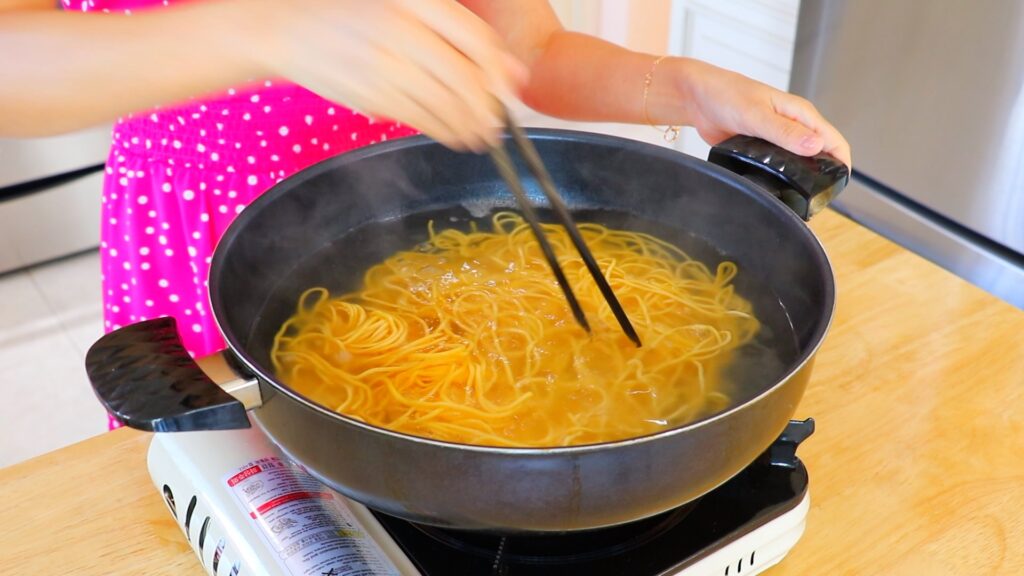
Bring a large pot of water to a boil. Cook the lo mein noodles for about 2 minutes, or until just al dente. Rinse under cold water and drain well.
Tip: Slightly undercooked noodles finish cooking in the wok and stay pleasantly chewy.
Step 4: Cook the Shrimp
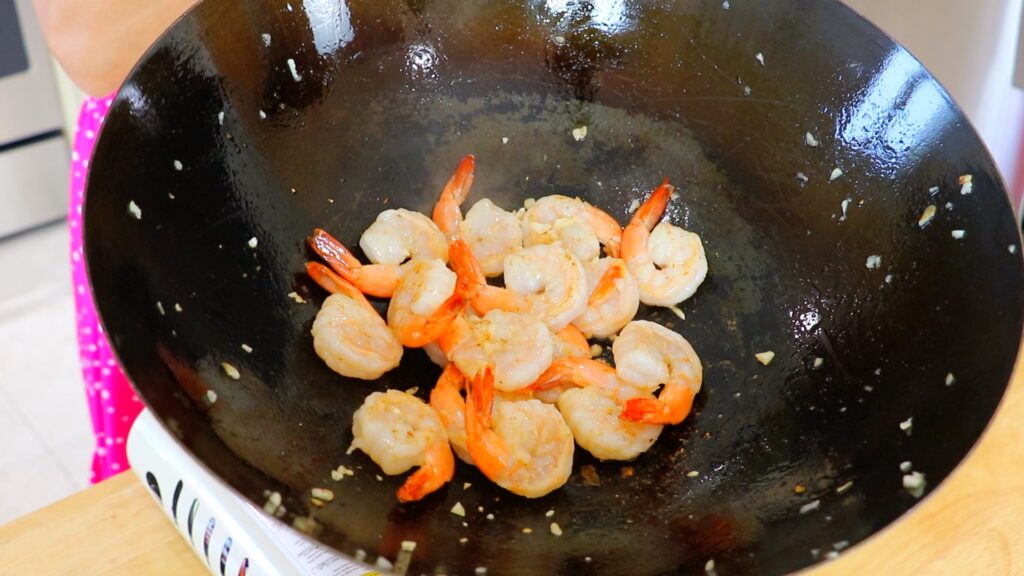
Heat 1 tablespoon of oil in a wok over high heat. Add the shrimp and garlic and stir-fry for about 1 minute, or until the shrimp turn pink. Remove from the wok.
Tip: Shrimp cook very quickly. Overcooking them will make them firm instead of tender.
Step 5: Stir-Fry the Vegetables
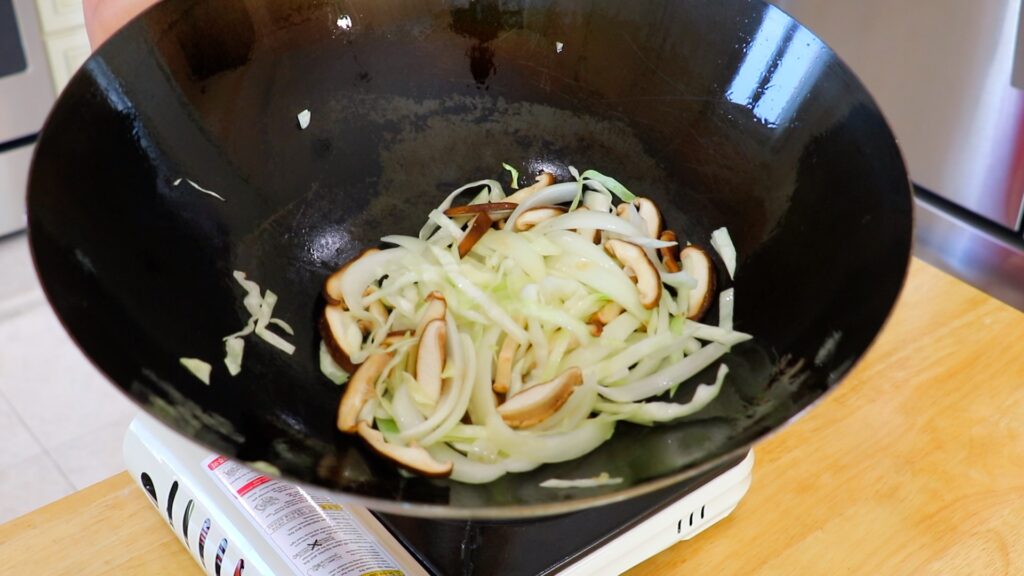
Add another tablespoon of oil to the wok. Stir-fry the onion, shiitake mushrooms, and cabbage for about 30 seconds until just softened. Remove from the wok.
Tip: High heat keeps the vegetables crisp instead of watery.
Step 6: Finish the Lo Mein
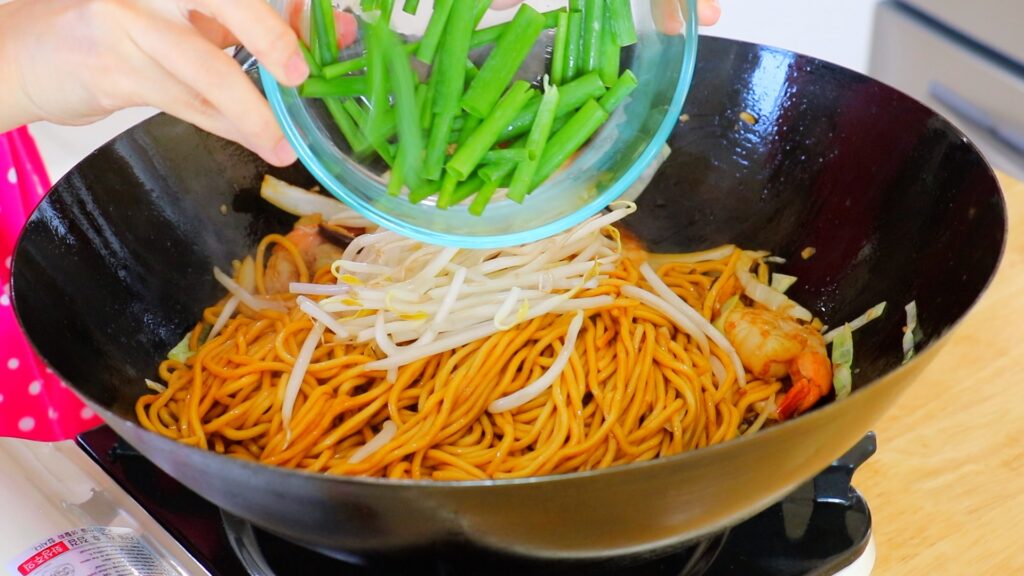
Add the remaining tablespoon of oil to the wok and toss in the cooked noodles. Pan-fry for about 1 minute, then return the shrimp and vegetables. Pour in the sauce and toss until everything is evenly coated. Stir in the bean sprouts and scallions just before serving.
Tip: Add the bean sprouts and scallions at the very end so they stay crisp and fresh.
Frequently Asked Questions
Can I use spaghetti instead of lo mein noodles?
Yes. Spaghetti isn’t traditional, but it works surprisingly well if cooked just until al dente.
Can I use frozen shrimp?
Absolutely. Thaw the shrimp completely and pat them dry before cooking.
Can I make it vegetarian?
Yes. Replace the shrimp with tofu or extra mushrooms and use vegetarian oyster sauce.
Can I add more vegetables?
Of course. Bell peppers, snow peas, broccoli, carrots, and baby corn all work well.
How do I store leftovers?
Store in an airtight container in the refrigerator for up to 3 days. Reheat in a hot skillet or wok for the best texture.
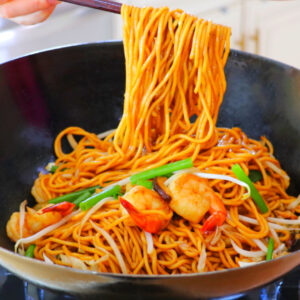
15-Min Shrimp Lo Mein Recipe
Make this easy Shrimp Lo Mein in just 15 minutes! Tender shrimp, chewy egg noodles, crisp vegetables, and a savory homemade sauce come together for a Chinese takeout favorite that's even better at home.
Ingredients
For the shrimp
- ½ pound shrimp, peeled and deveined
- Pinch of salt
- Pinch of white pepper
- 1 tablespoon cooking oil
- 3 cloves garlic, minced
For the sauce
- 1 tablespoon soy sauce
- 2 tablespoons dark soy sauce
- 2 tablespoons oyster sauce
- 4 tablespoons water
For the lo mein
- 1 package lo mein noodles, 16 ounces
- 3 tablespoons cooking oil, divided
- ½ medium onion, sliced
- 3 medium shiitake mushrooms, sliced
- ½ cup cabbage, thinly sliced
- ½ cup bean sprouts
- 2 stalks scallions, sliced
Instructions
- To season the shrimp: In a medium bowl, season the shrimp with the salt and white pepper. Mix until evenly coated.
- To make the sauce: In a small bowl, whisk together the soy sauce, dark soy sauce, oyster sauce, and water until well combined.
- To cook the noodles: Bring a large pot of water to a boil. Add the lo mein noodles and cook for about 2 minutes, or until just al dente. Drain and rinse under cold water to stop the cooking process. Drain well.
- To cook the shrimp: Heat 1 tablespoon of cooking oil in a wok or large skillet over high heat. Add the shrimp and garlic and stir-fry for about 1 minute, or until the shrimp turn pink. Remove and set aside.
- To cook the vegetables: Add 1 tablespoon of cooking oil to the same wok. Stir-fry the onion, shiitake mushrooms, and cabbage for about 30 seconds, or until just softened. Remove and set aside.
- To finish the lo mein: Add the remaining 1 tablespoon of cooking oil to the wok. Add the cooked noodles and stir-fry for about 1 minute. Return the shrimp and vegetables to the wok, then pour in the sauce. Toss until the noodles are evenly coated. Stir in the bean sprouts and scallions and cook for about 30 seconds. Serve immediately.
Video
Notes
- Cook the noodles just until al dente: They'll finish cooking in the wok and stay pleasantly chewy.
- Prep everything first: Lo mein comes together quickly, so have all your ingredients ready before heating the wok.
- Cook in stages: Cooking the shrimp and vegetables separately prevents overcooking and keeps their textures just right.
- Use high heat: A hot wok helps develop better flavor while keeping the vegetables crisp-tender.
- Add the bean sprouts and scallions last: They stay fresh, crisp, and vibrant with just a quick toss before serving.
- Customize the vegetables: Bell peppers, snow peas, broccoli, carrots, or baby corn all work well in this recipe.
More Noodle Recipes You’ll Love
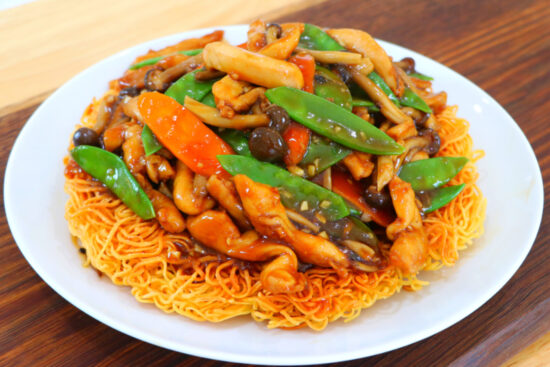
30-Min Hong Kong Crispy Chow Mein with Chicken
There’s something special about Hong Kong Crispy Chow Mein. You start with golden, crispy noodles, then spoon tender chicken, fresh vegetables, and a silky, savory …
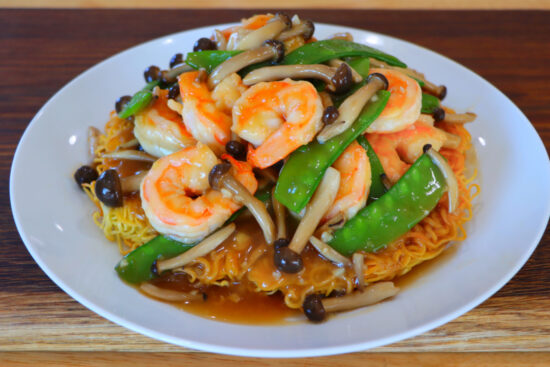
30-Min Hong Kong Crispy Chow Mein with Shrimp
Hong Kong Crispy Chow Mein is all about texture—that moment when the noodles hit the plate still golden and crackly, with silky shrimp and glossy …
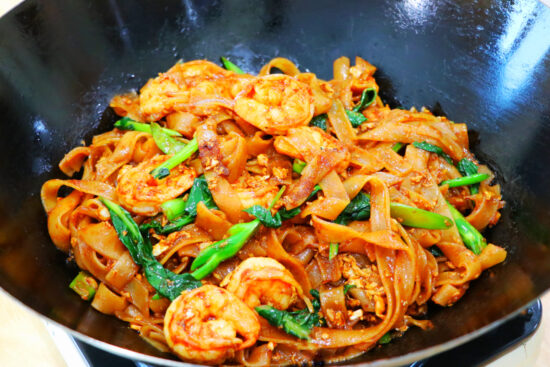
15-Min Shrimp Pad See Ew Recipe
Shrimp Pad See Ew has always been a nostalgic dish for me. Growing up in Thailand, it was one of those meals you could find …
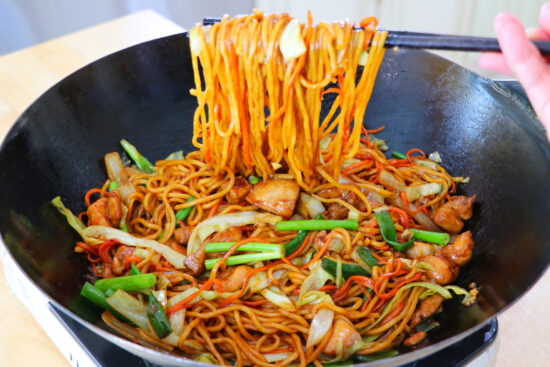
20-Min Chicken Teriyaki Lo Mein Recipe
Teriyaki Chicken Lo Mein brings together two flavors I’ve always loved: classic Chinese lo mein noodles and the sweet, glossy richness of Japanese-style teriyaki. Lo …
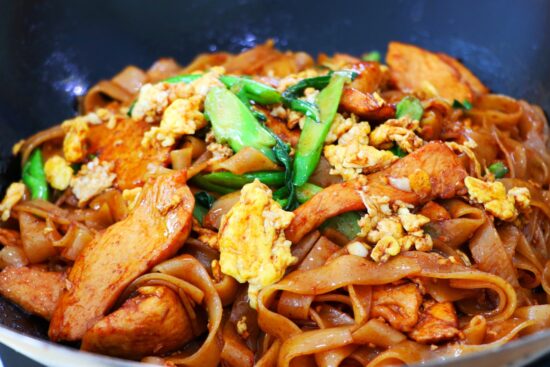
20-Minute Chicken Pad See Ew Recipe
Chicken Pad See Ew was the noodle dish I grew up eating on the streets of Bangkok. Vendors would stir-fry wide rice noodles over blazing-hot …
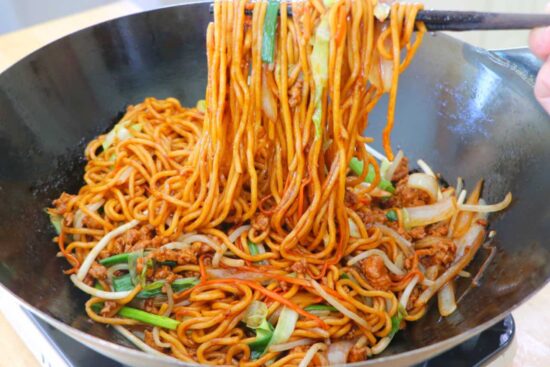
15-Min Ground Chicken Lo Mein Recipe
Ground Chicken Lo Mein is one of my favorite weeknight dinners when I need something fast, comforting, and satisfying. Instead of slicing chicken breast like …
What can I use instead of lo mein noodles
Hi Mary, thank you for asking! You can replace fresh lo mein noodles with ramen, udon, yaki soba, spaghetti, or linguine. Happy cooking! 😀
HI MY NEW BEST FRIEND – YOU ARE AN AMAZING COOK – THANKS SO MUCH – I HAVE ALWAYS BEEN CURIOUS AS TO WHERE I CAN GET A STOVE LIKE THE ONE YOU COOK WITH – I ONLY HAVE AN ELECTRIC ONE !
Hi Paul, I’m so happy to be your new best friend! I got my portable stove from H Mart, a Korean supermarket. But unfortunately, it doesn’t have a brand label. You can also find many similar options on Amazon, Target, and Walmart. I hope you’ll find something you’ll like. Enjoy! 😀