
No products in the cart.
25-Min Beef Chow Mein Recipe
Beef Chow Mein
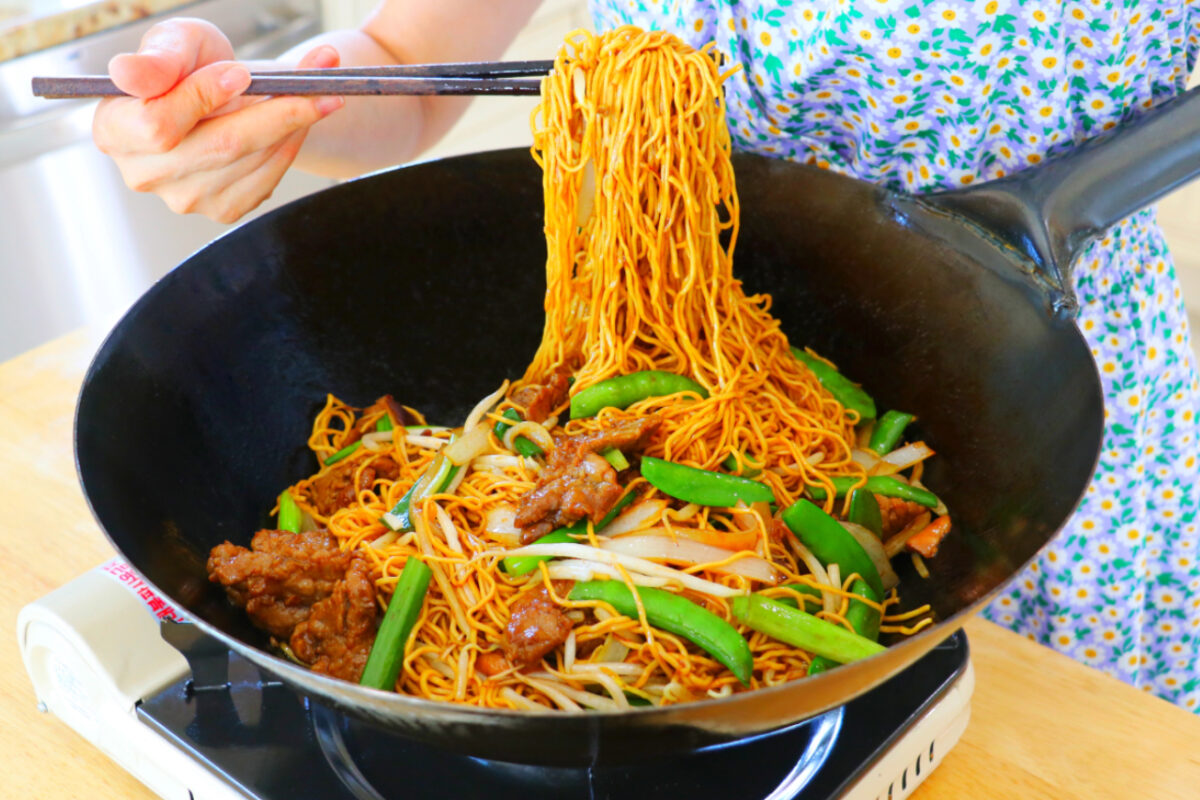
Beef Chow Mein is one of those dishes you order all the time—but once you make it at home, you realize it can be even better. Tender slices of beef, springy noodles, and crisp vegetables all come together in a savory, well-balanced sauce.
If your chow mein has ever turned out soggy or lacking that restaurant flavor, it usually comes down to a few small details—how you prepare the noodles, how you cook in stages, and how you control the heat.
In this recipe, I’ll show you exactly how to get that perfect texture at home—no mushy noodles, no overcooked beef. Once you get the rhythm, this comes together quickly and easily, just like a real stir-fry should.
What Is Chow Mein?
Chow mein is a classic Chinese stir-fried noodle dish. The noodles are cooked quickly over high heat with protein, vegetables, and a savory sauce.
Compared to other noodle dishes, chow mein is usually:
- Slightly drier
- Lightly coated in sauce
- Sometimes a little crisp from the pan
It’s all about texture—springy noodles, tender beef, and a bit of char from high heat.
Chow Mein vs. Lo Mein
These two are often confused, but they’re quite different.
Chow mein:
- Stir-fried over high heat
- Drier, lightly coated
- Slightly crisp in parts
Lo mein:
- Tossed with sauce
- Softer and more saucy
- Less focus on texture
If you like noodles with a bit of bite and wok flavor, chow mein is the one.
How to Get Restaurant-Style Chow Mein?
This is where everything comes together.
Cook in stages:
Cook the beef, vegetables, and noodles separately, then bring everything together at the end. This keeps each component from overcooking.
High heat matters:
A hot wok helps evaporate moisture quickly, so the noodles stay dry and slightly smoky instead of soggy.
Don’t overcrowd the pan:
Too much at once lowers the heat and turns everything into a steam instead of a stir-fry.
Dry the noodles well:
After blanching, draining properly is key—wet noodles are the main cause of soggy chow mein.
How to Slice Beef for Chow Mein?
Cutting the beef properly makes a big difference in texture.
- Slice against the grain
- Keep the slices thin
This keeps the beef tender and easy to chew after stir-frying.
What Noodles to Use
Fresh chow mein noodles are the best choice—they’re slightly chewy and hold up really well in stir-frying. You’ll usually find them labeled as chow mein noodles, pan-fried noodles, or sometimes just egg noodles.
If you can’t find them, you can also use fresh ramen, instant ramen, or even spaghetti in a pinch.
Just make sure not to overcook the noodles—they should be slightly firm before stir-frying so they don’t turn soft or mushy.
Let’s Talk Ingredients
Beef
Flank steak is a great choice here. When sliced thinly against the grain, it stays tender and cooks quickly. The marinade, it gives you that soft, juicy texture you get from restaurant-style chow mein. If you can’t find it, you can substitute it with sirloin, flat iron, or even ribeye for a more tender result. Just slice thinly against the grain so the beef stays soft and easy to chew.
Marinade (egg white, cornstarch, Shaoxing wine)
This is your velveting step. The egg white and cornstarch coat the beef and help lock in moisture, while the Shaoxing wine adds depth and removes any strong beefy taste.
Chow mein noodles
These are slightly chewy and hold up well to high heat. After a quick blanch, they’re ready to stir-fry and absorb the sauce without turning mushy.
Snap peas, shiitake mushrooms, and onion
These bring a mix of texture—crisp, tender, and slightly meaty from the mushrooms. They balance the richness of the beef and keep the dish from feeling heavy.
Bean sprouts & scallions
Added at the end for freshness and crunch. They lighten everything up and give that classic chow mein finish.
Sauce (soy sauce, dark soy sauce, oyster sauce)
This combination gives you color, depth, and that savory, slightly sweet flavor. The dark soy sauce adds that rich brown color you see in takeout.
Cooking oil
Use a high-smoking-point oil like peanut, avocado, or canola oil. High heat is key for proper stir-frying.
Simple ingredients—but timing and technique are what bring everything together.
Step-by-Step: Let’s Cook
Serves: 4
Prep time: 15 minutes
Cook time: 10 minutes
Step 1: Marinate the beef
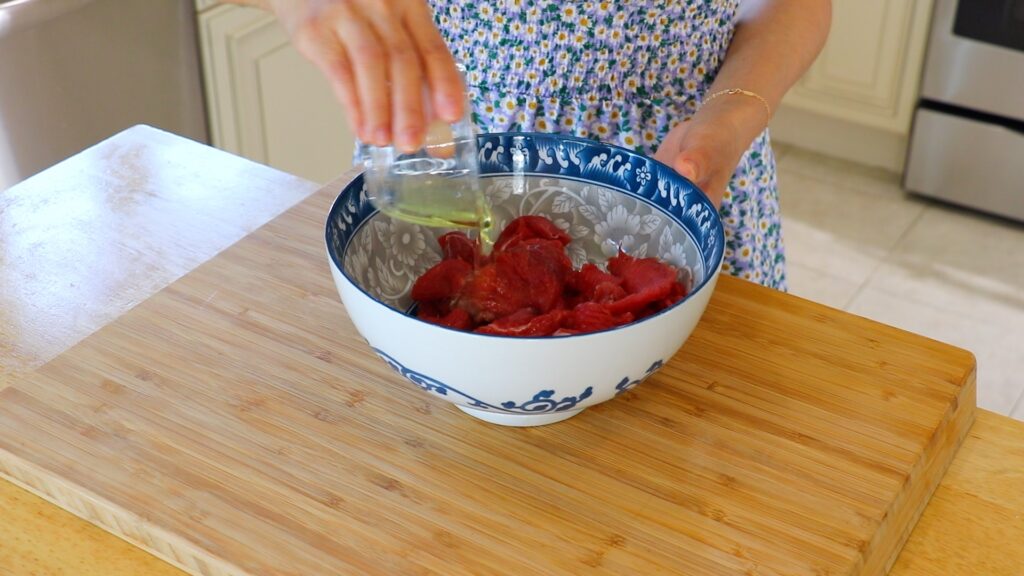
In a bowl, add the beef and sprinkle in the salt first. Mix until the beef absorbs it. Add the white pepper, Shaoxing wine, egg white, and cornstarch, then mix well to coat evenly. Add the cooking oil at the end and let it marinate while you prepare everything else.
Tip: This step keeps the beef tender and juicy during stir-frying.
Step 2: Prepare the noodles
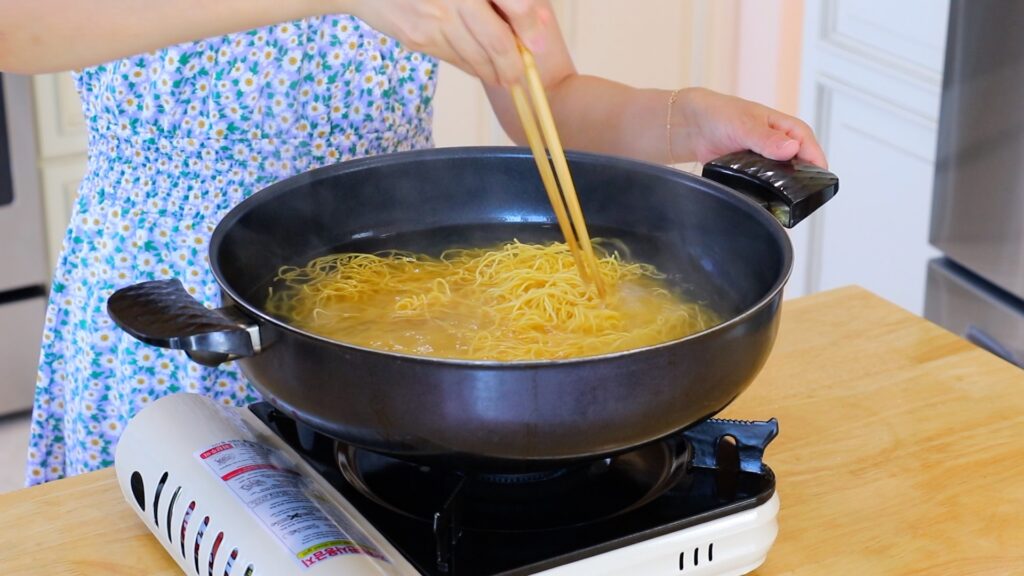
In a pot over high heat, bring water to a boil. Add the chow mein noodles and blanch for about 20 seconds, just until slightly softened. Drain and rinse with cold water, then drain well.
Tip: Don’t overcook—slightly firm noodles will hold their texture better when stir-fried.
Step 3: Make the sauce
In a bowl, combine the soy sauce, dark soy sauce, oyster sauce, water, and white pepper. Mix well and set aside.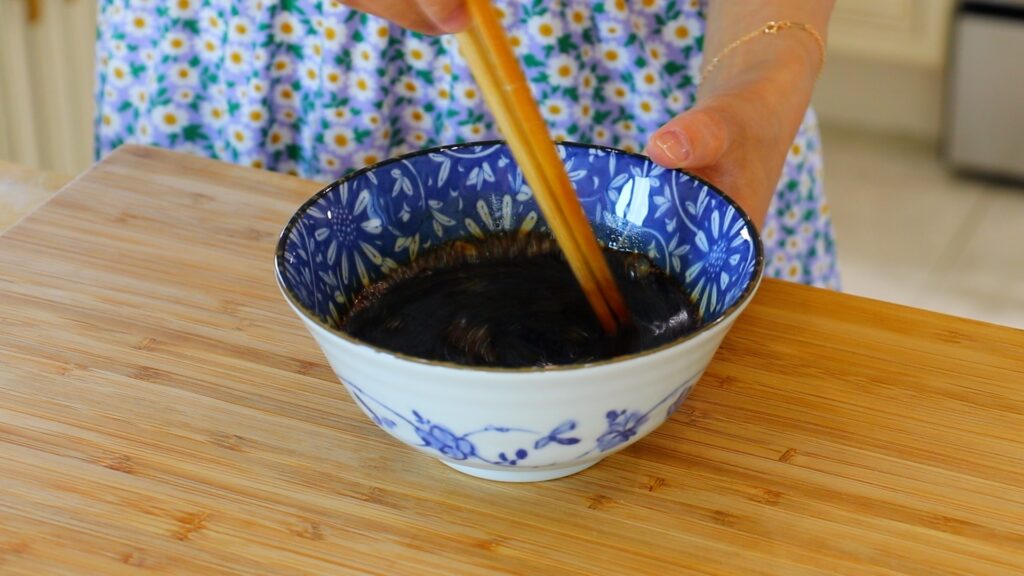
Tip: Having the sauce ready helps everything come together quickly once you start cooking.
Step 4: Stir-fry the beef
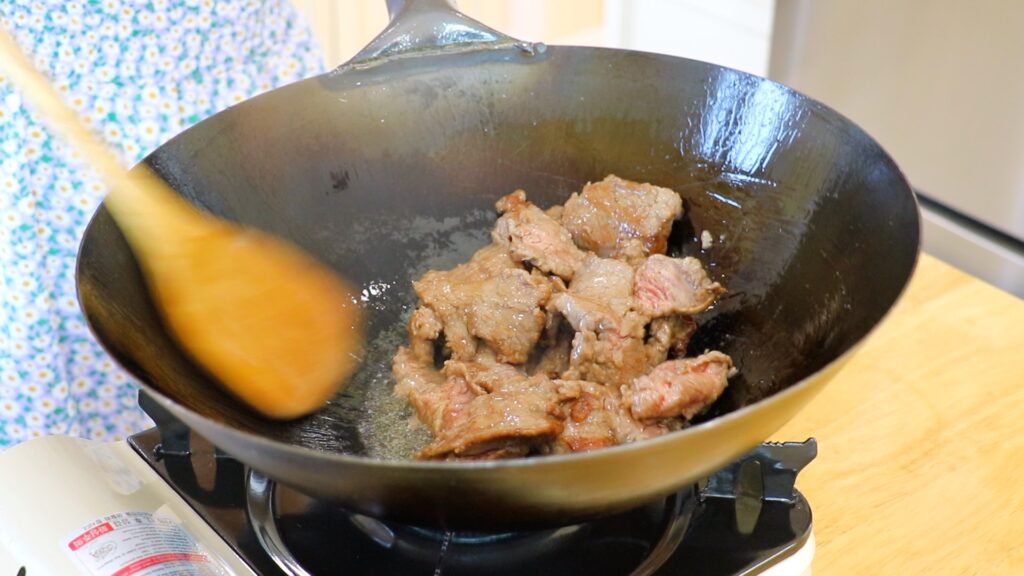
In a wok over high heat, heat 2 tablespoons of cooking oil. Add the beef and stir-fry for about 2–3 minutes until just cooked. Remove from the wok.
Tip: Letting the beef sear briefly helps develop more flavor. Don’t overcook—it will finish cooking when everything comes together later.
Step 5: Stir-fry the vegetables
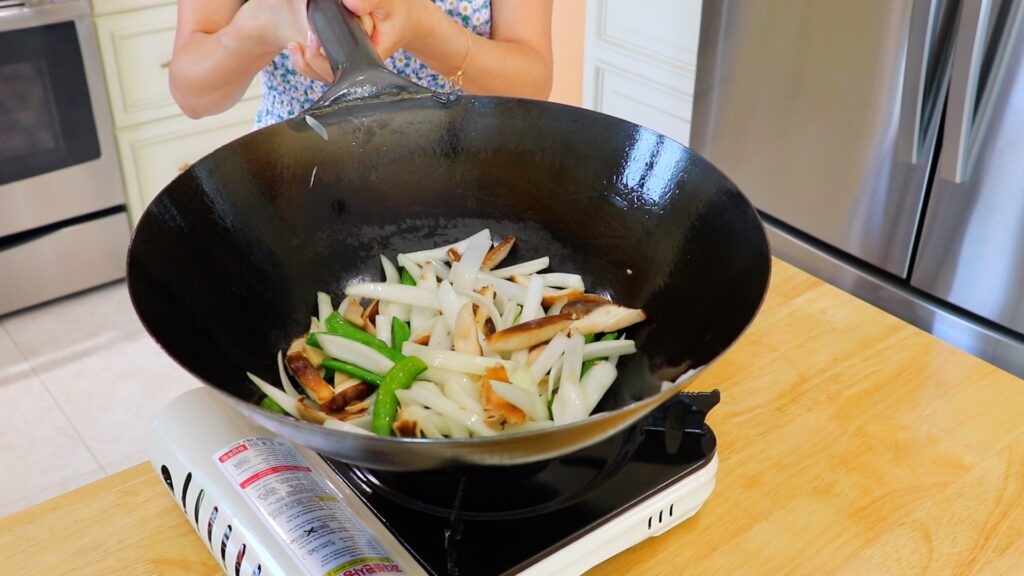
In the same wok, add 1 tablespoon of cooking oil. Add the snap peas, onion, and shiitake mushrooms, then stir-fry for about 1 minute until fragrant. Remove from the wok.
Tip: Cooking in stages keeps everything crisp and prevents overcrowding.
Step 6: Stir-fry the noodles
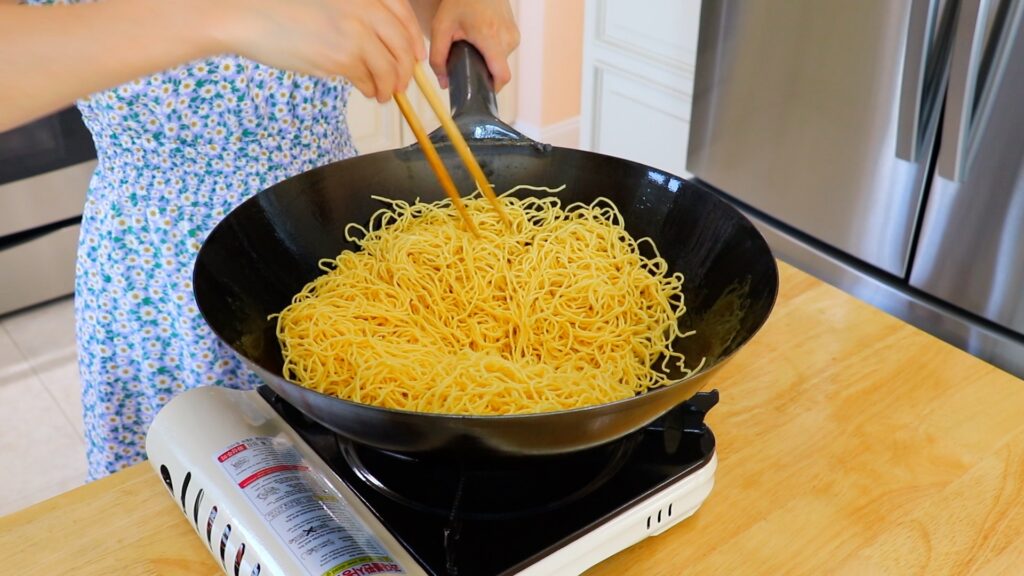
Add another tablespoon of cooking oil to the wok. Add the noodles and stir-fry for about 1 minute until slightly crisp and fragrant.
Tip: Let the noodles sit briefly before tossing to develop a little texture.
Step 7: Combine and finish
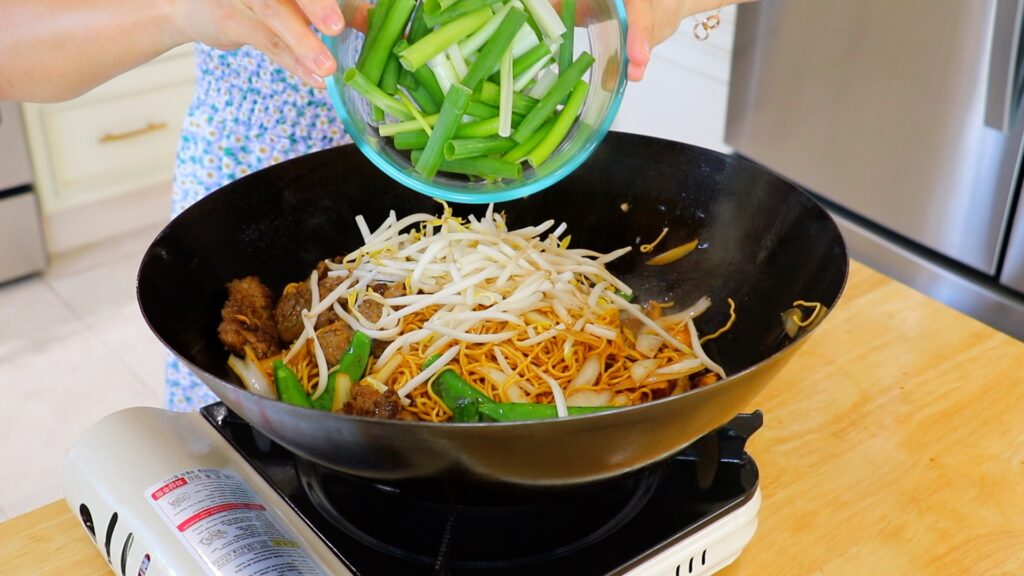
Return the beef and vegetables to the wok. Pour in the sauce and toss everything together. Add the bean sprouts and scallions, then give it a quick final toss.
Tip: Keep this step quick—just enough to coat everything without overcooking the vegetables.
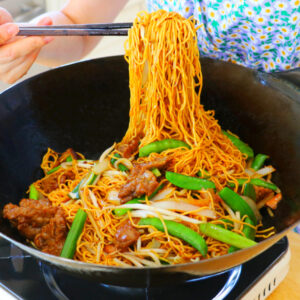
25-Min Beef Chow Mein Recipe
Beef Chow Mein is a classic Chinese stir-fried noodle dish with tender beef, springy noodles, and crisp vegetables tossed in a savory sauce.
Ingredients
For the beef
- ¾ pound flank steak, thinly sliced against the grain
- Pinch of salt
- Pinch of white pepper
- 2 tablespoons Shaoxing wine
- 1 large egg white
- 2 tablespoons cornstarch
- 1 tablespoon cooking oil
For the sauce
- 1 tablespoon soy sauce
- 2 tablespoons dark soy sauce
- 2 tablespoons oyster sauce
- 4 tablespoons water
- Pinch of white pepper
For the noodles
- 12 ounces chow mein noodles (egg noodles)
- 4 tablespoons cooking oil, divided (high-smoking-point)
- 1 cup snap peas
- 5 shiitake mushrooms, sliced
- 1 medium onion, sliced
- 2 stalks scallions, sliced
- 1 cup mung bean sprouts
Instructions
- To marinate the beef, in a bowl, add the beef and sprinkle in the salt first, mix until absorbed, then add the white pepper, Shaoxing wine, egg white, and cornstarch and mix well, then add the cooking oil to seal and let marinate while preparing the other ingredients.
- To prepare the noodles, in a pot over high heat, bring water to a boil, add the chow mein noodles and blanch for about 20 seconds until just softened, then drain, rinse with cold water, and drain well.
- To make the sauce, in a bowl, combine the soy sauce, dark soy sauce, oyster sauce, water, and white pepper and mix well.
- To stir-fry the beef, in a wok over high heat, heat 2 tablespoons of cooking oil, add the beef and spread it out slightly, let it sear briefly before stir-frying for about 2–3 minutes until just cooked, then remove.
- To stir-fry the vegetables, in the same wok over high heat, add 1 tablespoon of cooking oil, add the snap peas, onion, and shiitake mushrooms, and stir-fry for about 1 minute until fragrant, then remove.
- To stir-fry the noodles, add the remaining 1 tablespoon of cooking oil, add the noodles and stir-fry for about 1 minute until slightly crisp and fragrant.
- To combine, return the beef and vegetables to the wok, pour in the sauce, and toss everything together, then add the mung bean sprouts and scallions and give a quick final toss.
- To serve, transfer to a plate and serve hot.
Video
Notes
- Slice against the grain: This keeps the beef tender and easy to chew.
- Sear for flavor: Letting the beef sit briefly in the wok builds better flavor before stir-frying.
- Don’t overcook the noodles: Slightly firm noodles hold up better and won’t turn mushy.
- Cook in stages: This keeps everything from steaming and helps maintain texture.
- High heat is key: A hot wok gives you that signature stir-fry flavor.
- Protein swap: This method works well with chicken, shrimp, or tofu—adjust cooking time as needed.
Try These Noodle Recipes Next
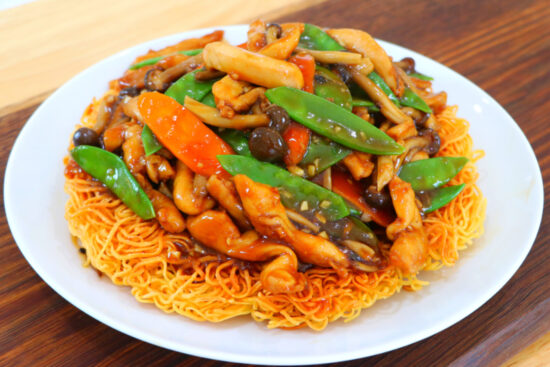
30-Min Hong Kong Crispy Chow Mein with Chicken
There’s something special about Hong Kong Crispy Chow Mein. You start with golden, crispy noodles, then spoon tender chicken, fresh vegetables, and a silky, savory …
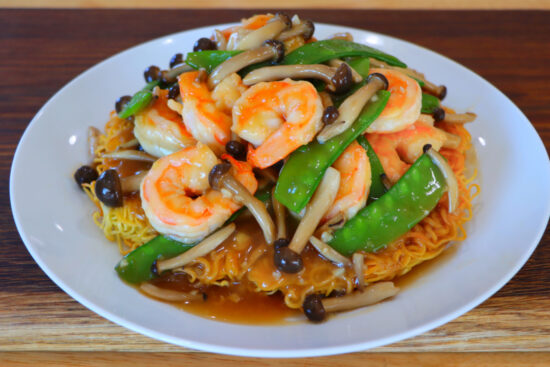
30-Min Hong Kong Crispy Chow Mein with Shrimp
Hong Kong Crispy Chow Mein is all about texture—that moment when the noodles hit the plate still golden and crackly, with silky shrimp and glossy …
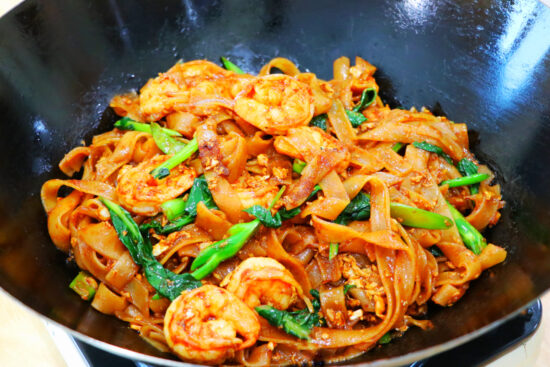
15-Min Shrimp Pad See Ew Recipe
Shrimp Pad See Ew has always been a nostalgic dish for me. Growing up in Thailand, it was one of those meals you could find …
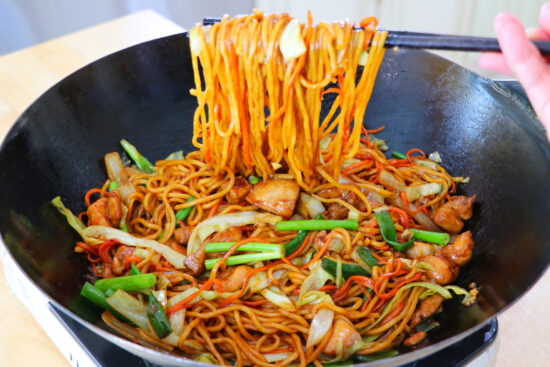
20-Min Chicken Teriyaki Lo Mein Recipe
Teriyaki Chicken Lo Mein brings together two flavors I’ve always loved: classic Chinese lo mein noodles and the sweet, glossy richness of Japanese-style teriyaki. Lo …
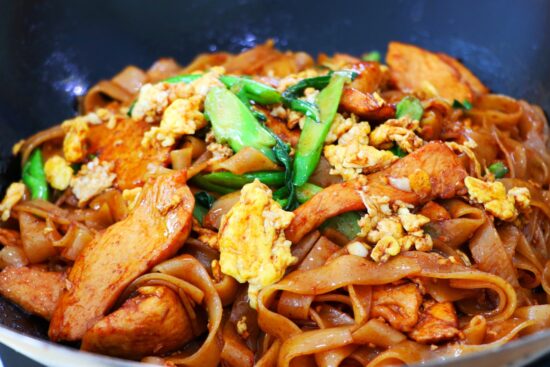
20-Minute Chicken Pad See Ew Recipe
Chicken Pad See Ew was the noodle dish I grew up eating on the streets of Bangkok. Vendors would stir-fry wide rice noodles over blazing-hot …
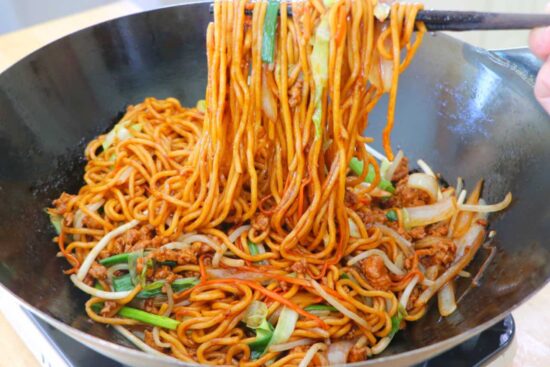
15-Min Ground Chicken Lo Mein Recipe
Ground Chicken Lo Mein is one of my favorite weeknight dinners when I need something fast, comforting, and satisfying. Instead of slicing chicken breast like …
Thank you ! My favorite dish that was my first Chinese dish I tasted at varsity ,many many years ago. Since then, Chicken Chow Mein is always my best choice.
Hi Halo, That’s so special! I’m glad Chicken Chow Mein has stayed your favorite all these years – it’s such a classic! Happy cooking!