
No products in the cart.
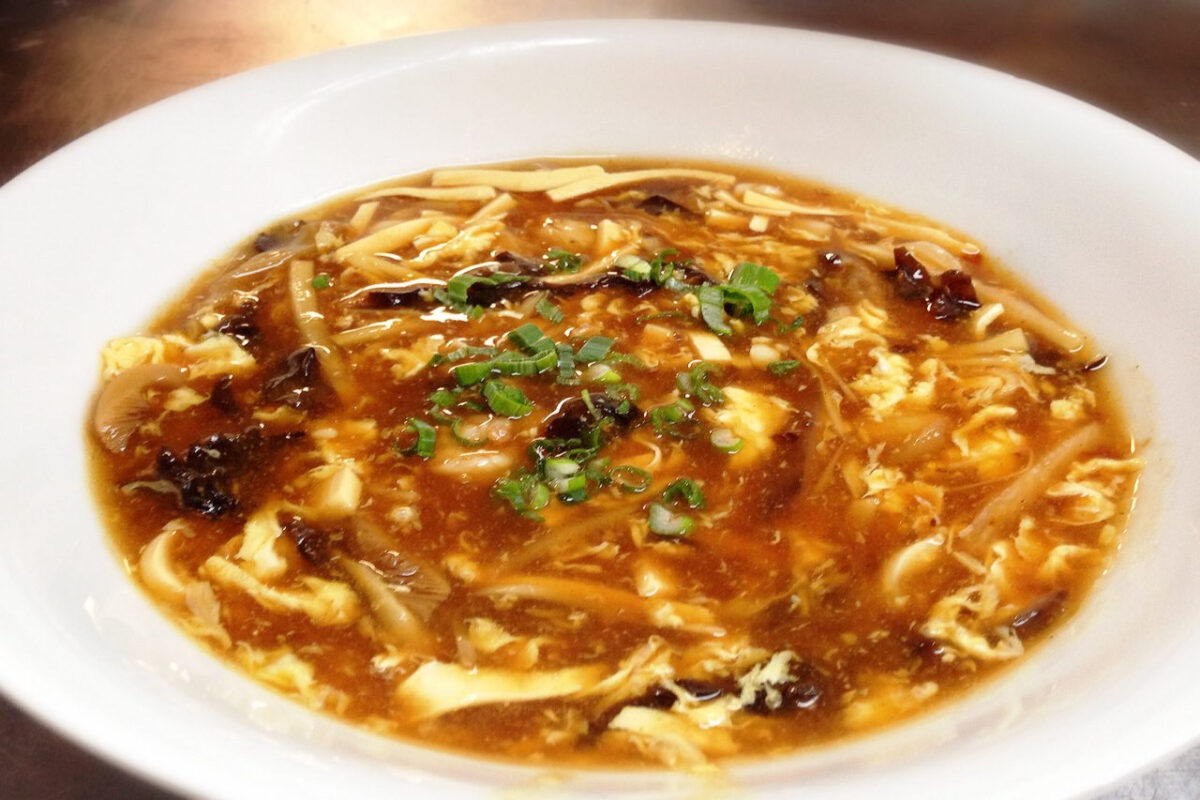
30-Min Seafood Hot and Sour Soup Recipe
Seafood Hot and Sour Soup is one of my favorite Chinese soups to make when I want something warm, comforting, and packed with flavor. Tender shrimp, sweet scallops, earthy mushrooms, silky tofu, and delicate egg ribbons come together in a rich broth that’s both tangy and peppery.
The first time most people try hot and sour soup, they’re surprised by how many layers of flavor it has. The vinegar adds brightness, the white pepper brings gentle heat, and the mushrooms, seafood, and chicken stock create a deep savory flavor that keeps you coming back for another spoonful.
One of the best things about making hot and sour soup at home is that you can control every ingredient. You can make it milder or spicier, add more seafood, adjust the tanginess, or use whatever vegetables you have on hand.
In this recipe, I’ll show you how to make Seafood Hot and Sour Soup with tender seafood, silky egg ribbons, and the perfect balance of hot and sour flavors in about 30 minutes.
What Is Hot and Sour Soup?
Hot and Sour Soup is a classic Chinese soup known for its bold, tangy, and slightly spicy flavor. The “hot” comes from white pepper, while the “sour” comes from vinegar.
Traditional versions often include mushrooms, tofu, bamboo shoots, eggs, and a protein such as pork, chicken, or seafood. The broth is lightly thickened with cornstarch, giving it a silky texture that helps carry all the flavors throughout the soup.
There are many regional variations, but the combination of vinegar and white pepper is what gives hot and sour soup its signature taste.
What Makes Hot and Sour Soup Hot and Sour?
This is one of the most common questions people ask.
The Sour Flavor
The sour flavor comes primarily from Chinkiang vinegar, a Chinese black vinegar with a rich, slightly smoky flavor.
Compared to rice vinegar, Chinkiang vinegar adds more depth and complexity to the soup.
The Hot Flavor
Unlike many spicy soups, the heat in hot and sour soup comes from white pepper rather than chili peppers.
White pepper provides a gentle warmth that builds gradually without overpowering the other ingredients.
The balance between the vinegar and white pepper is what makes hot and sour soup so unique.
Why Add the Vinegar at the End?
One of the small techniques that makes a big difference is adding the vinegar near the end of cooking.
When vinegar is boiled for too long, some of its sharpness fades.
Adding the second seasoning near the end helps preserve the bright, tangy flavor that makes hot and sour soup so delicious.
This is the same reason the sesame oil is added at the end as well.
How to Make Silky Egg Ribbons
One of the most recognizable features of hot and sour soup is the delicate egg ribbons floating throughout the broth.
To create them:
- Bring the soup to a gentle boil.
- Slowly drizzle in the beaten eggs.
- Pour in a thin stream while moving around the pot.
- Allow the eggs to set for a few seconds.
- Gently stir once or twice.
How to Thicken Hot and Sour Soup
Traditional hot and sour soup should be lightly thickened, not overly thick or gelatinous.
The cornstarch slurry helps:
- Give the broth body
- Suspend the ingredients evenly
- Create a silky mouthfeel
- Help the flavors cling to each spoonful
Always stir the slurry before adding it to prevent the cornstarch from settling.
Let’s Talk Ingredients
Shrimp and Scallops: Shrimp and scallops add natural sweetness and turn this into a hearty seafood version of hot and sour soup.
Chinkiang Vinegar: This Chinese black vinegar provides the signature sour flavor and deep complexity.
White Pepper: White pepper creates the classic warming heat that gives hot and sour soup its name.
Shiitake Mushrooms: Shiitake mushrooms add an earthy, savory flavor to the broth.
Wood Ear Mushrooms: Wood ear mushrooms contribute a slightly crunchy texture that’s commonly found in restaurant-style hot and sour soup.
Tofu: Soft tofu adds a silky texture and absorbs the flavors of the broth beautifully.
Cornstarch Slurry: The slurry lightly thickens the soup, creating the signature silky consistency.
Chicken Stock: A good-quality chicken stock forms the flavorful foundation of the soup.
Step-by-Step: Let’s Cook
Serves: 4
Prep Time: 15 minutes
Cook Time: 15 minutes
Step 1: Season the Seafood
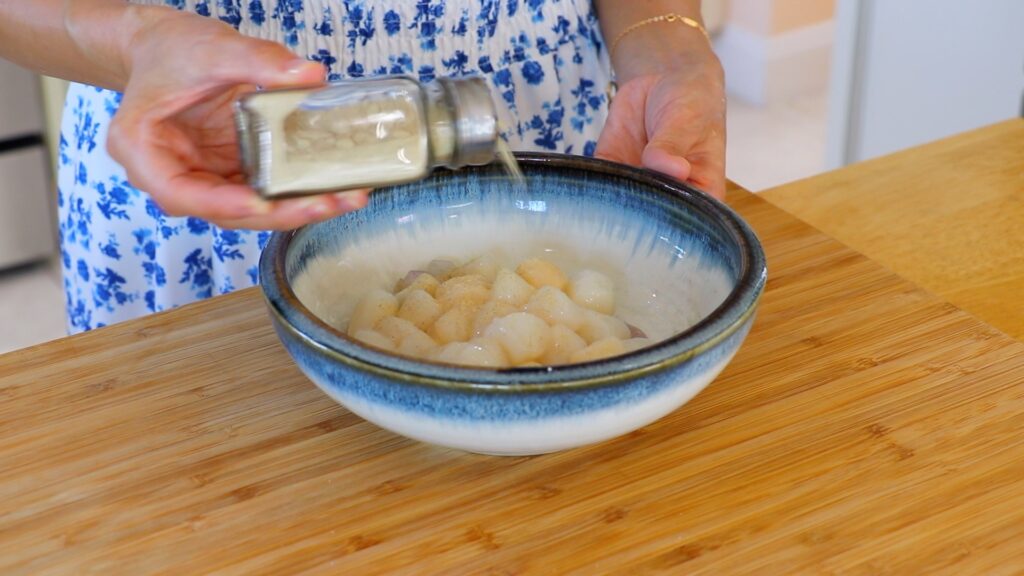
In a bowl, combine the shrimp and scallops with the salt and white pepper. Mix gently and set aside.
Tip: Seasoning the seafood first helps build flavor from the beginning.
Step 2: Mix the Seasonings
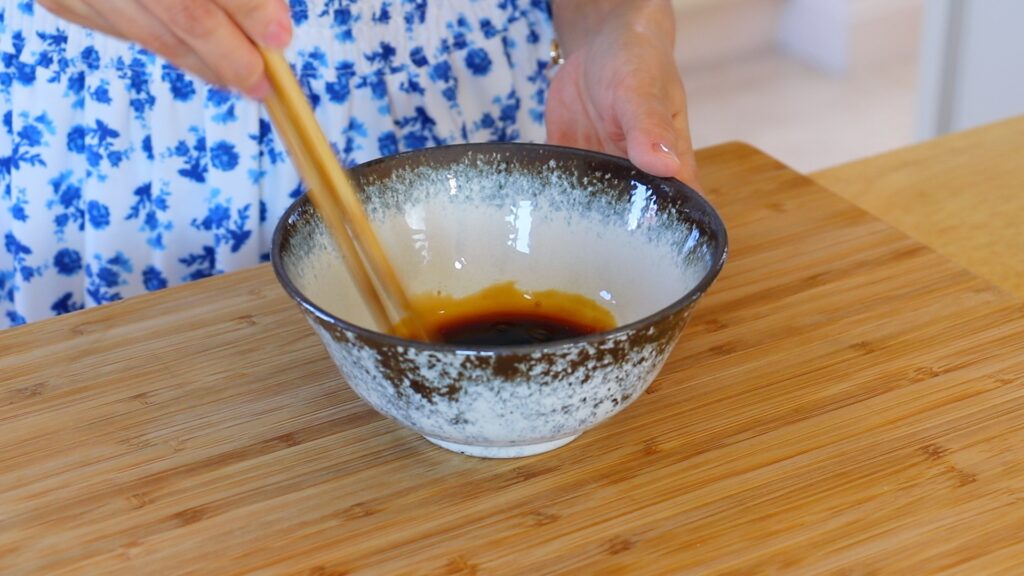
In a small bowl, combine the soy sauce and salt.
In another bowl, combine the Chinkiang vinegar, white pepper, dark soy sauce, and sesame oil.
Tip: We add the vinegar mixture later so it keeps its bright, tangy flavor.
Step 3: Cook the Vegetables
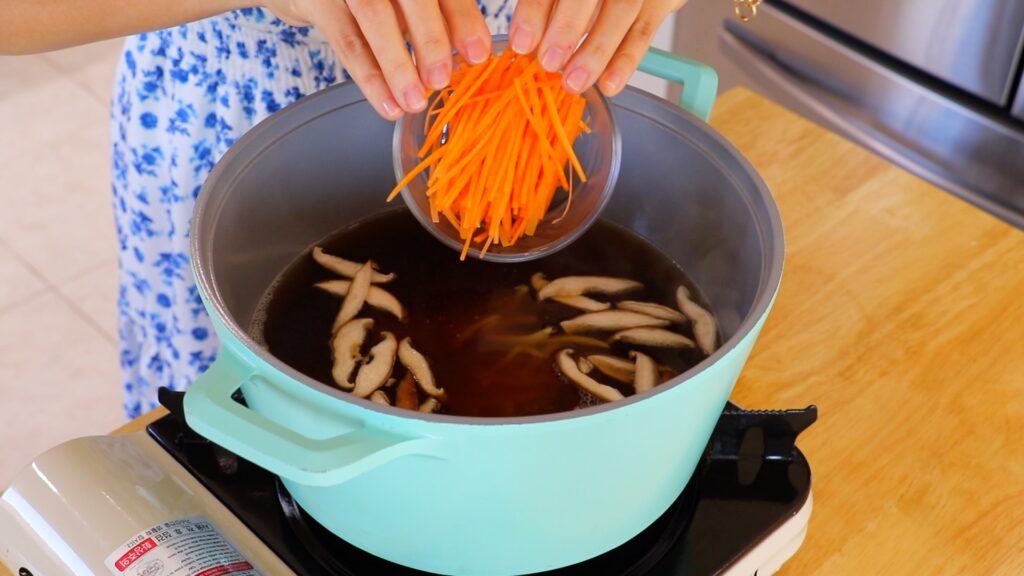
In a large pot over high heat, bring the chicken stock to a boil.
Add the first seasoning, shiitake mushrooms, wood ear mushrooms, bamboo shoots, carrot, and ginger. Boil for about 4 minutes until the vegetables begin to soften.
Tip: Cooking the vegetables first allows them to flavor the broth.
Step 4: Add the Seafood and Tofu
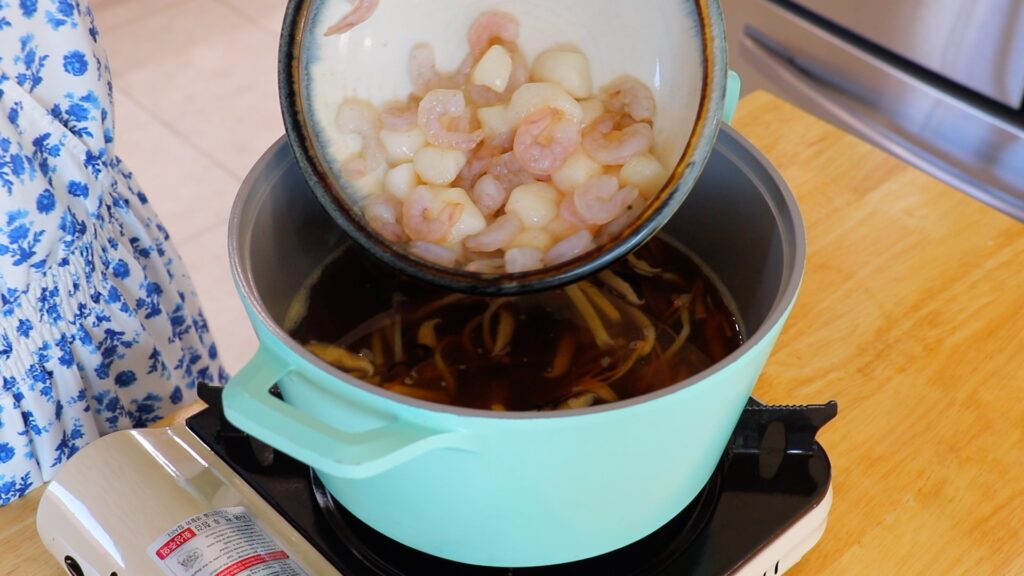
Add the tofu, shrimp, and scallops.
Boil for about 1 minute until the seafood is nearly cooked through.
Tip: The seafood cooks quickly and will continue cooking in the hot broth.
Step 5: Thicken the Soup
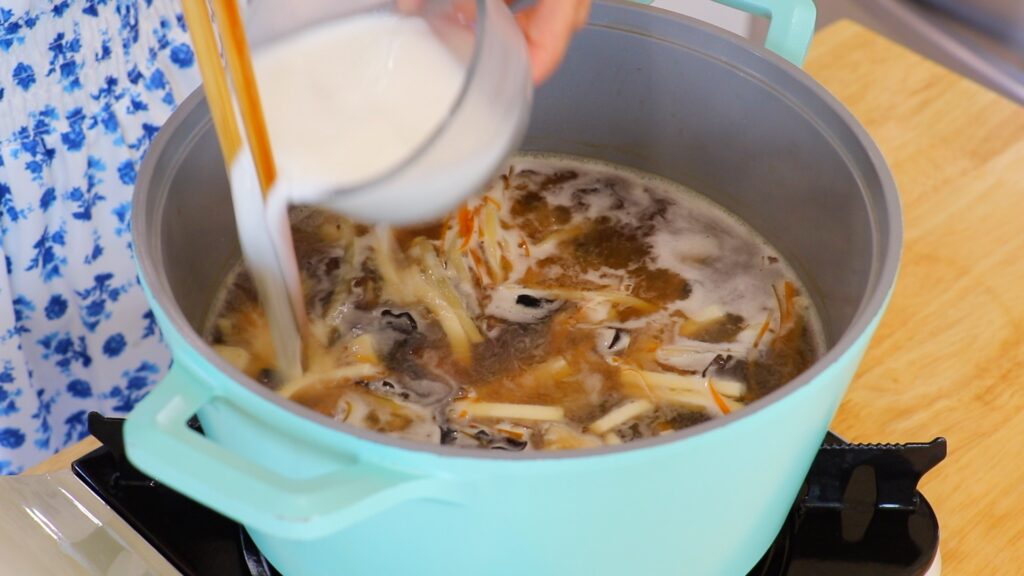
Stir the cornstarch slurry to recombine.
Slowly pour it into the soup while stirring.
Cook until the broth is lightly thickened.
Tip: A properly mixed slurry creates the silky texture that hot and sour soup is known for.
Step 6: Finish the Soup
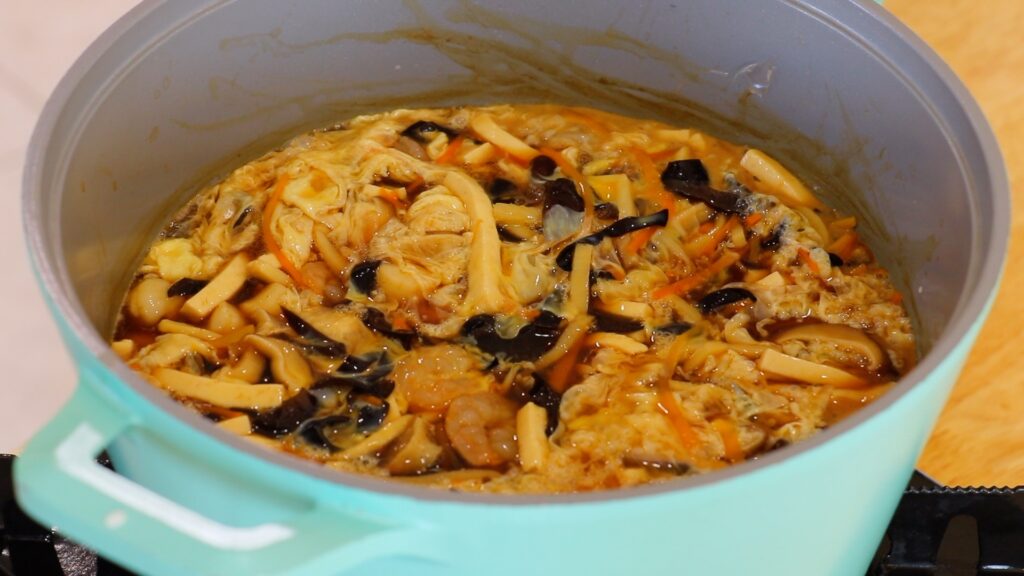
Add the second seasoning and bring the soup back to a boil.
Slowly drizzle in the beaten eggs in a circular motion. Let the eggs set for a few seconds before gently stirring.
Garnish with the scallions and serve hot.
Tip: Pouring the eggs slowly creates delicate egg ribbons throughout the soup.
30-Min Seafood Hot and Sour Soup Recipe
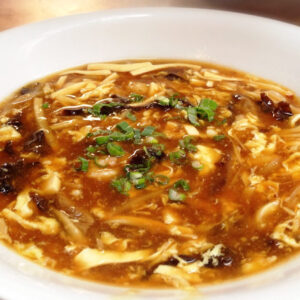
Seafood Hot and Sour Soup is a comforting Chinese soup made with shrimp, scallops, mushrooms, tofu, and silky egg ribbons in a rich, tangy, and peppery broth.
Ingredients
For the seafood
- ½ cup small shrimp, deveined
- ½ cup small scallops
- Pinch of salt
- Pinch of white pepper
For the first seasoning
- 1 tablespoon soy sauce
- 1/10 teaspoon salt
For the second seasoning
- 3 tablespoons Chinkiang vinegar
- 1 teaspoon white pepper
- 1 tablespoon dark soy sauce
- 1 teaspoon sesame oil
For the soup
- 6 cups chicken stock
- 5 medium fresh shiitake mushrooms, thinly sliced
- ½ cup fresh wood ear mushrooms, thinly sliced
- ½ cup bamboo shoots,
- ¼ medium carrot, julienned
- ½ teaspoon ginger, julienned
- ⅓ block soft tofu, cut into strips
- 3 tablespoons cornstarch, for slurry
- 9 tablespoons water, for slurry
- 2 large eggs, beaten
- 2 tablespoons scallions, chopped
Instructions
- To season the seafood, in a bowl, combine the shrimp and scallops with the salt and white pepper. Mix gently and set aside.
- To prepare the seasonings, in a small bowl, combine the soy sauce and salt. In another bowl, combine the Chinkiang vinegar, white pepper, dark soy sauce, and sesame oil.
- To cook the soup, in a large pot over high heat, bring the chicken stock to a boil. Add the first seasoning and stir to combine. Add the shiitake mushrooms, wood ear mushrooms, bamboo shoots, carrot, and ginger. Boil for about 4 minutes until softened.
- To add the seafood, add the tofu, shrimp, and scallops. Boil for about 1 minute until the seafood is nearly cooked through.
- To thicken the soup, in a small bowl, combine the cornstarch and water. Stir until smooth, then slowly pour the slurry into the soup while stirring. Cook until lightly thickened.
- To finish the soup, add the second seasoning and bring the soup back to a boil. Slowly drizzle in the beaten eggs in a circular motion. Let the eggs set for a few seconds, then gently stir. Garnish with the scallions and serve hot.
Video
Notes
- Season in stages: Adding the seasonings at different times helps build flavor while preserving the bright tanginess of the vinegar.
- Add vinegar at the end: Chinkiang vinegar keeps its bold flavor when added near the end of cooking.
- Silky egg ribbons: Slowly drizzle the eggs into gently boiling soup and allow them to set before stirring.
- Adjust the heat: Add more white pepper if you prefer a spicier soup.
- Protein swap: Chicken, pork, beef, crab, fish, or extra tofu all work well in place of the seafood.
30-Min Shrimp and Pork Wonton Soup Recipe
Shrimp and Pork Wonton Soup is a classic Chinese comfort dish with delicate dumplings filled with shrimp and seasoned pork, gently boiled and served in …
5-Min Crab Egg Drop Soup Recipe
Crab Egg Drop Soup is one of the fastest and most comforting soups you can make at home. In just five minutes, you get a …
25-Min Chicken Wonton Soup Recipe
Chicken Wonton Soup is one of those dishes I keep coming back to. It’s simple, comforting, and there’s something about a bowl of delicate wontons …

10-Min Chicken and Corn Egg Drop Soup Recipe
Chicken and Corn Egg Drop Soup is the ultimate comfort food—warm, soothing, and incredibly satisfying with every spoonful. The broth is rich and savory, filled …
30-Min Shrimp Wonton Soup Recipe
Shrimp Wonton Soup is one of those fast, comforting dishes my family never gets tired of. Tender shrimp wontons, savory broth, and fresh bok choy …
10-Min Seafood Egg Drop Soup Recipe
Seafood Egg Drop Soup is light, comforting, and something I’ve been making since I was very young. It’s one of those simple soups that I …
Nice
Thank you, Vithu!
I Love Your Cooking and the food are all look delicious. I would like to see more different cooking tips.
Hi Maria, Thank you so much for your kind words! I’m really happy to hear you enjoy the cooking and find the food delicious. I’ll definitely share more different cooking tips in future videos and posts—stay tuned!