
No products in the cart.
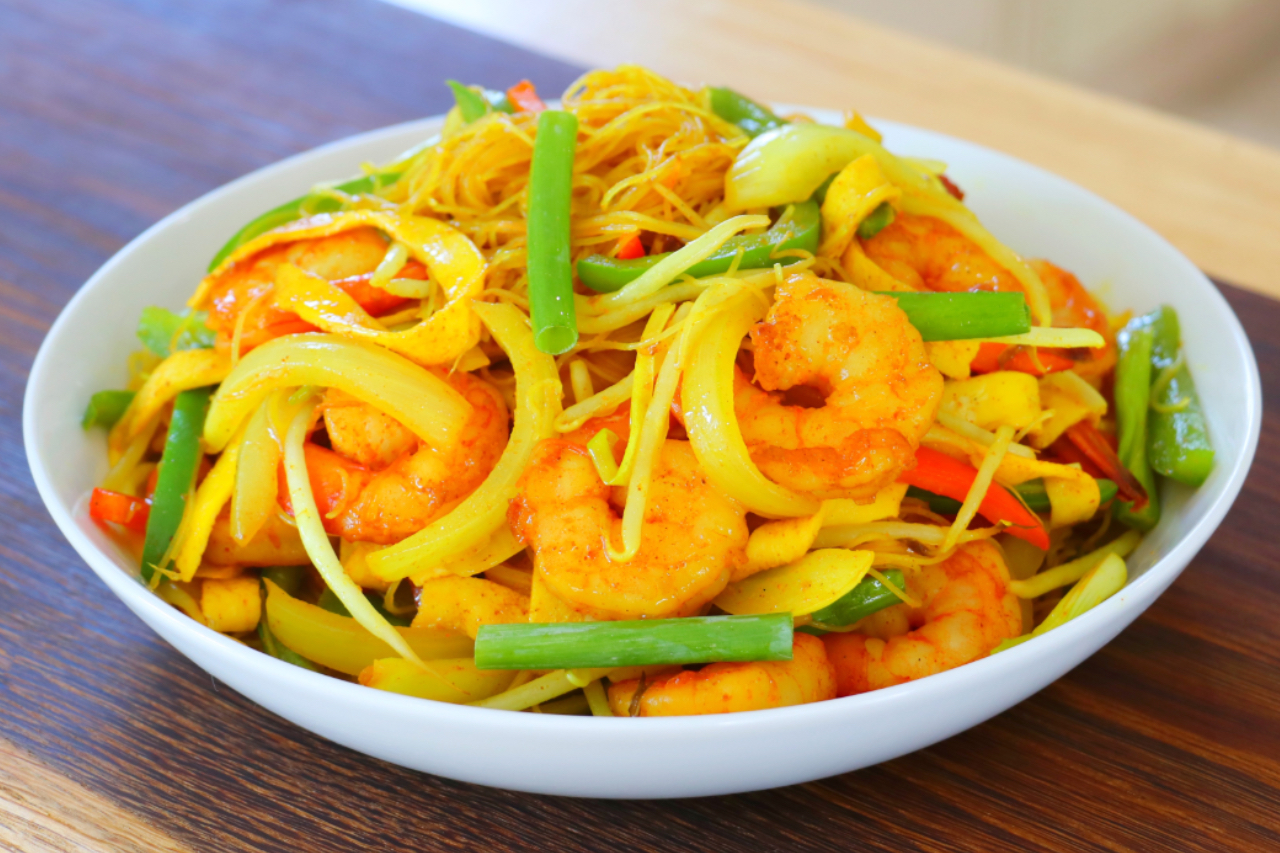
30-Min Singapore Noodles
Singapore Noodles are a flavorful stir-fried dish made with thin rice vermicelli, shrimp, vegetables, and a warm curry seasoning that gives the noodles their signature golden color. Light, fragrant, and slightly savory, it’s simple but incredibly satisfying.
I’ve made this dish many times at home, especially when I want something quick but still full of flavor. The noodles stay light, the vegetables keep their crunch, and everything comes together in one wok in just minutes.
In this recipe, I’ll show you how to stir-fry rice vermicelli without breaking it, how to balance the curry flavor, and how to get that restaurant-style texture right at home.
What Are Singapore Noodles?
Singapore noodles are a stir-fried rice vermicelli dish seasoned with curry powder, typically cooked with shrimp, eggs, and vegetables.
Despite the name, this dish was actually created in Hong Kong—you’re unlikely to find it in Singapore. Chefs added curry powder to rice vermicelli, creating a dish that’s fragrant, lightly spiced, and full of flavor. Over time, it became a popular takeout favorite.
The key to this dish is the texture. The noodles should be:
- Light and separate
- Soft but not mushy
- Evenly coated with seasoning
Unlike saucy noodle dishes, Singapore noodles are meant to be lightly seasoned and dry, with just enough sauce to coat everything evenly.
How to Soak Rice Vermicelli?
For this dish, thin rice vermicelli works best and is usually soaked rather than boiled. Soaking keeps the noodles light and prevents them from becoming too soft before stir-frying.
In a bowl, pour hot water over the noodles and soak for about 2 minutes until just tender, then rinse with cold water.
They should feel slightly firm—not fully soft.
Some thicker rice noodles may require a quick boil depending on the brand, but for stir-frying like this, soaking is usually the better method.
If the noodles are over-soaked or boiled too long, they will break easily and turn mushy in the wok.
How to Stir-Fry Vermicelli Without Breaking It?
Rice vermicelli is delicate, so gentle handling makes a big difference. Choosing a slightly sturdier vermicelli that contains a bit of tapioca starch or cornstarch can also help, as it makes the noodles more flexible and less likely to break during stir-frying.
Use chopsticks or tongs instead of a spatula, and toss lightly instead of pressing down.
Keep the heat high so the noodles cook quickly without sitting too long in the wok.
Why Your Singapore Noodles Turn Out Mushy?
If your noodles don’t turn out right, it usually comes down to a few small details.
Over-soaking the noodles can make them too soft before they even hit the wok, so they break down easily during cooking.
Too much sauce can weigh the noodles down, turning them sticky instead of light and separate.
Cooking on low heat can cause everything to steam rather than stir-fry, which affects both texture and flavor.
And if the noodles are stirred too aggressively, they can break apart, especially since rice vermicelli is naturally delicate.
Let’s Talk Ingredients
This dish comes together quickly, so each ingredient plays a role.
Rice vermicelli noodles are thin and delicate, which makes them perfect for absorbing flavor while staying light. Choosing a slightly sturdier vermicelli that contains a bit of tapioca starch or cornstarch can help the noodles stay flexible and less likely to break during stir-frying.
Shrimp adds a natural sweetness and cooks quickly, making it perfect for high-heat stir-frying.
Eggs bring a soft texture that balances the noodles and adds a little richness.
Curry powder is the key flavor—it gives the dish its signature color and warm, slightly spiced aroma.
Soy sauce, salt, and sugar work together to balance the seasoning, adding depth without overpowering the curry.
Garlic, onion, and bell peppers build the base flavor and add freshness and a bit of crunch.
Bean sprouts and scallions are added at the end to keep the dish light and crisp.
Cooking oil should be a high-smoke-point oil so that everything stir-fries quickly and evenly.
Step-by-Step: Let’s Cook!
Serves: 4
Prep time: 15 minutes
Cook time: 15 minutes
Step 1: Prepare the eggs
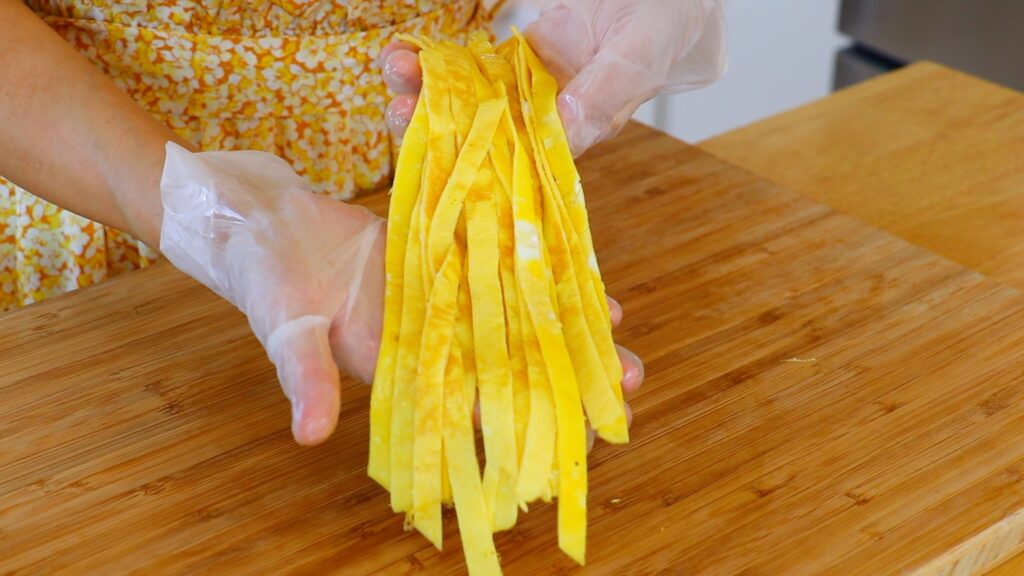
In a bowl, whisk the eggs with a pinch of salt. In a pan over medium-low heat, add the cooking oil and cook the eggs until just set, then slice into strips.
Tip: Cook over medium-low heat so the eggs set gently and cook evenly without becoming dry.
Step 2: Soak the noodles
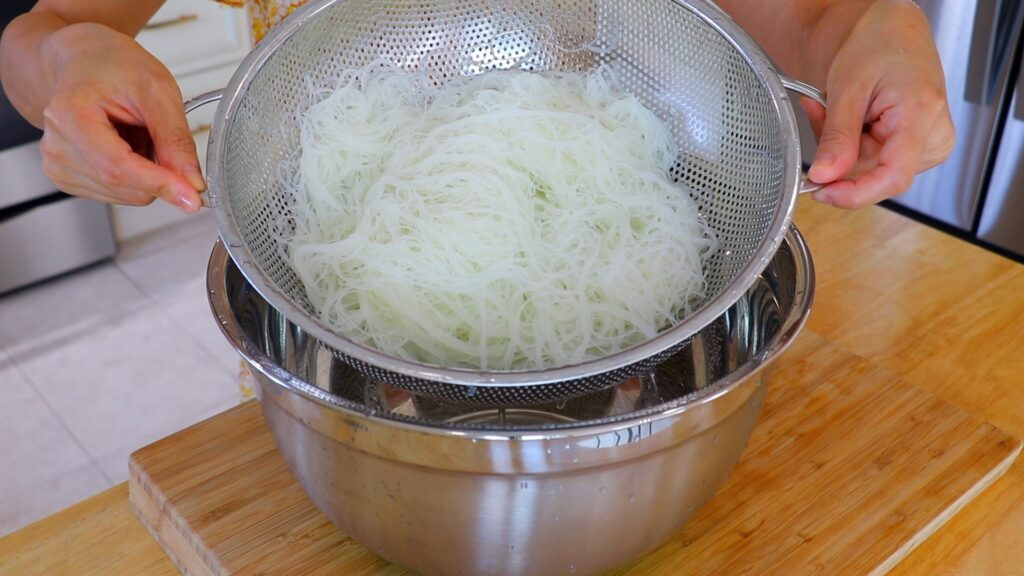
In a bowl, pour hot water over the rice vermicelli and soak for about 2 minutes until just tender. Rinse with cold water and drain well.
Tip: The noodles should still feel slightly firm—they’ll finish cooking in the wok.
Step 3: Make the sauce
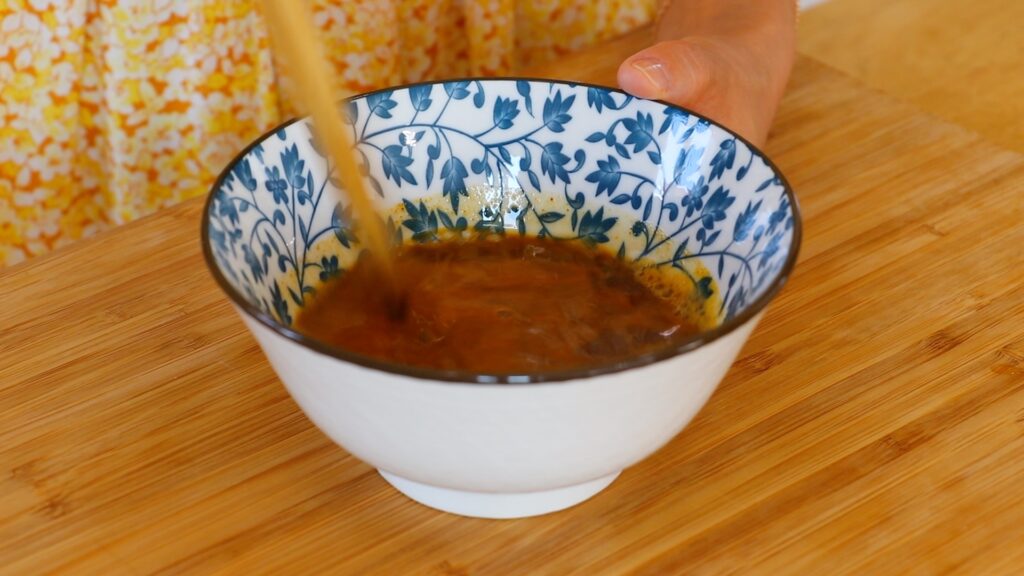
In a bowl, mix the curry powder, white pepper, salt, sugar, soy sauce, and water until well combined.
Tip: Mixing the sauce ahead helps everything come together quickly in the wok.
Step 4: Stir-fry the shrimp
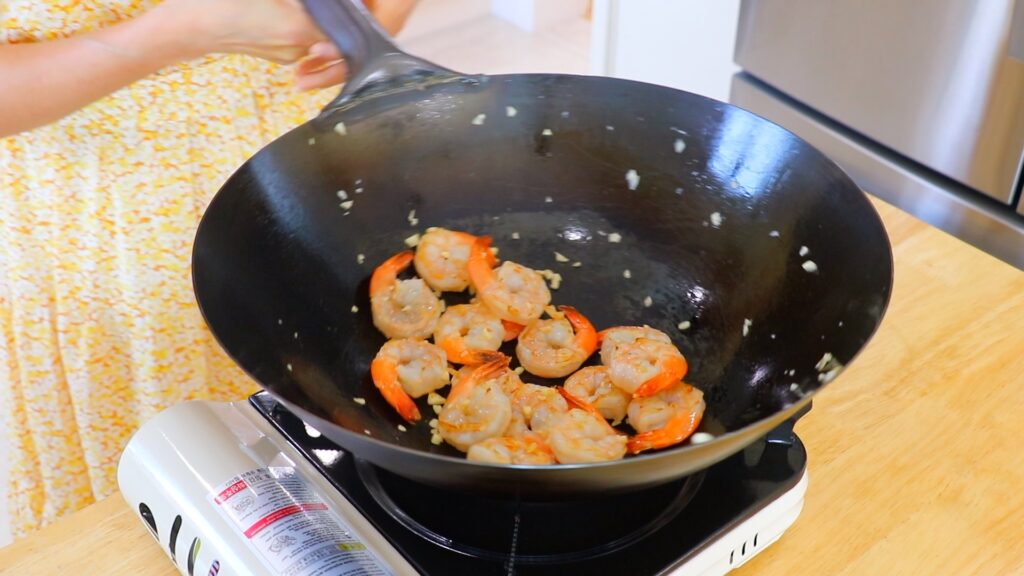
In a wok over high heat, add cooking oil and stir-fry the shrimp until just pink, about 2 minutes. Add the garlic and stir-fry briefly until fragrant, then remove.
Tip: Don’t overcook the shrimp here—they’ll finish cooking later in the wok.
Step 5: Stir-fry the vegetables
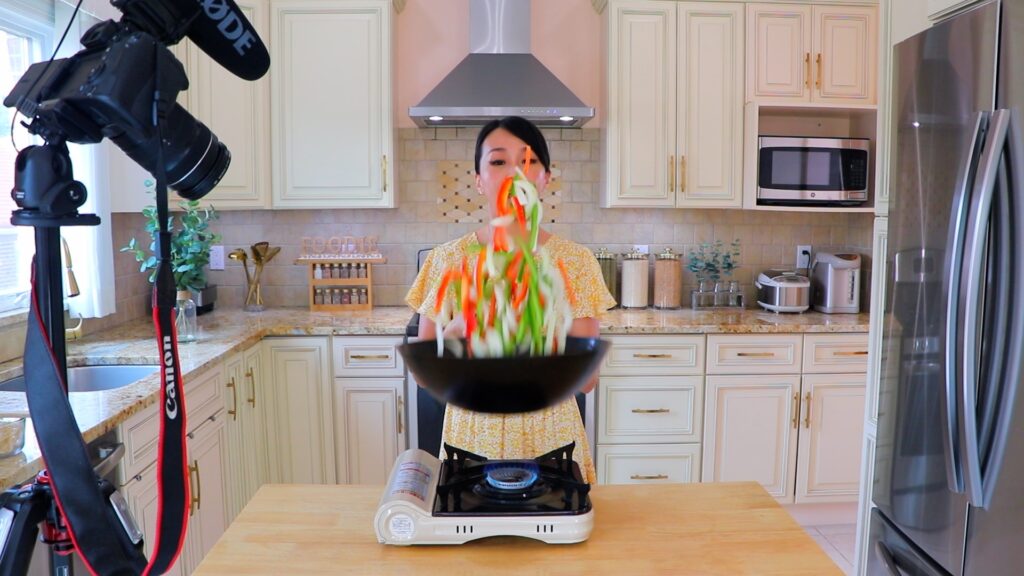
In the same wok over high heat, add cooking oil, onion, and bell peppers. Stir-fry briefly until fragrant, then remove.
Tip: Stir-fry quickly over high heat to keep the vegetables crisp and bring out their natural aroma.
Step 6: Stir-fry everything
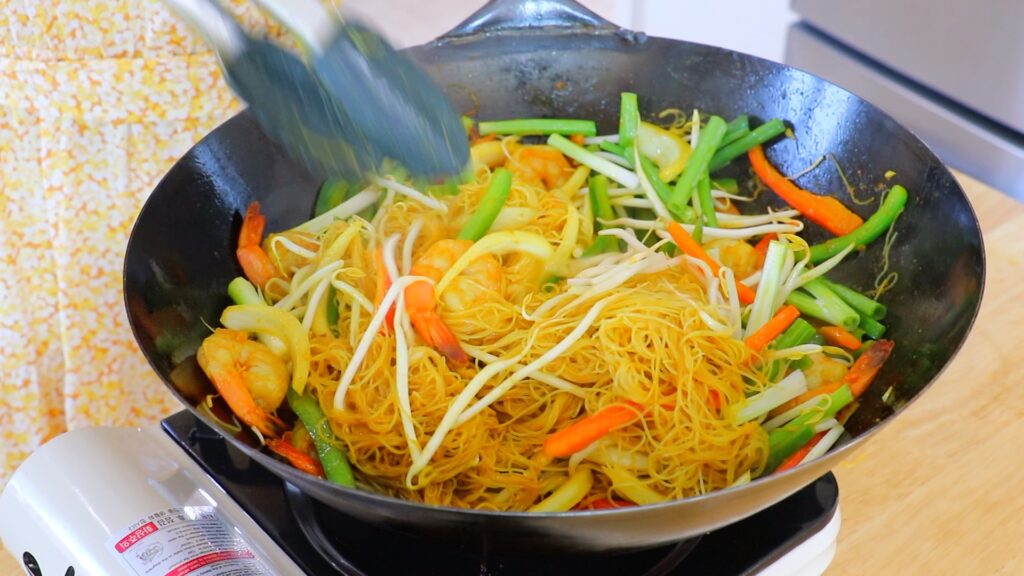
In the wok over high heat, add cooking oil and the noodles. Stir-fry gently, then return the shrimp and vegetables. Pour in the sauce and toss everything together. Add the bean sprouts, scallions, and eggs, and mix well.
Tip: Toss gently and keep the heat high so the noodles stay light and separate.
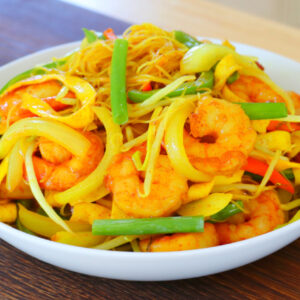
30-Min Singapore Noodles
Singapore Noodles are a quick stir-fried rice vermicelli dish with shrimp, vegetables, and a light curry seasoning.
Ingredients
For the eggs
- 2 large eggs
- Pinch of salt
- 1 teaspoon cooking oil
For the sauce
- 3 tablespoons curry powder
- Pinch of white pepper
- 1/10 teaspoon salt
- 1/10 teaspoon sugar
- 2 tablespoons soy sauce
- 4 tablespoons water
For the noodles
- 8 ounces dried rice vermicelli noodles
- 4 tablespoons cooking oil, divided
- 16 large shrimp, peeled and deveined
- 2 cloves garlic, minced
- 1 small onion, sliced
- 1 red bell pepper, sliced
- 1 green bell pepper, sliced
- 1 cup bean sprouts
- 3 stalks scallions, cut into 2-inch pieces
Instructions
- To prepare the eggs, in a bowl, whisk the eggs with the salt, then in a pan over medium-low heat, cook until just set and slice into strips.
- To prepare the noodles, in a bowl, soak the rice vermicelli in hot water for about 2 minutes until just tender, then rinse with cold water and drain well.
- To make the sauce, in a bowl, mix the curry powder, white pepper, salt, sugar, soy sauce, and water until combined.
- To stir-fry the shrimp, in a wok over high heat, add the cooking oil and cook the shrimp until just pink, then add the garlic and cook until fragrant, then remove.
- To stir-fry the vegetables, in the same wok over high heat, add cooking oil, onion, and bell peppers and stir-fry briefly until fragrant, then remove.
- To finish the dish, in the wok over high heat, add the cooking oil and the noodles, then return the shrimp and vegetables, pour in the sauce, add the bean sprouts, scallions, and eggs, and toss gently until everything is evenly coated.
Video
Notes
Cook the eggs gently: Cook over medium-low heat so the eggs set evenly and stay soft and tender.
Do not over-soak the noodles: Slightly firm noodles hold their shape better during stir-frying.
Use sturdy vermicelli: Choosing noodles with a bit of starch helps prevent breaking.
Cook the shrimp just until pink: They will finish cooking later and stay tender.
Stir-fry vegetables quickly: High heat keeps them crisp and brings out their aroma.
Keep the heat high: This prevents steaming and keeps the noodles light and separate.
Handle gently: Toss instead of pressing to avoid breaking the noodles.
Protein swap: This works with chicken, pork, beef, tofu, or keep it vegetarian.
Try These Noodle Recipes Next
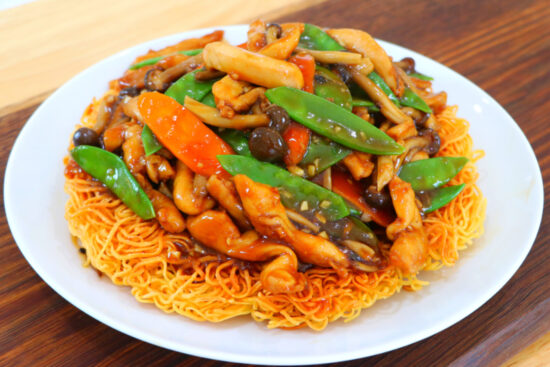
30-Min Hong Kong Crispy Chow Mein with Chicken
There’s something special about Hong Kong Crispy Chow Mein. You start with golden, crispy noodles, then spoon tender chicken, fresh vegetables, and a silky, savory …
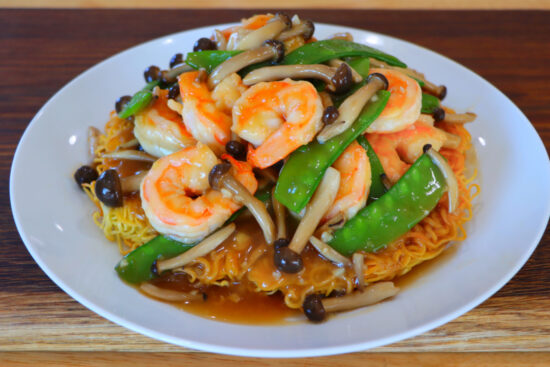
30-Min Hong Kong Crispy Chow Mein with Shrimp
Hong Kong Crispy Chow Mein is all about texture—that moment when the noodles hit the plate still golden and crackly, with silky shrimp and glossy …
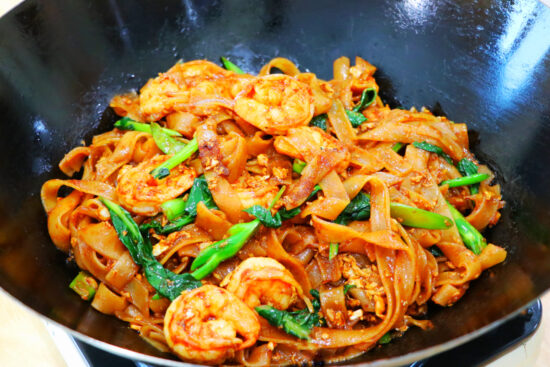
15-Min Shrimp Pad See Ew Recipe
Shrimp Pad See Ew has always been a nostalgic dish for me. Growing up in Thailand, it was one of those meals you could find …
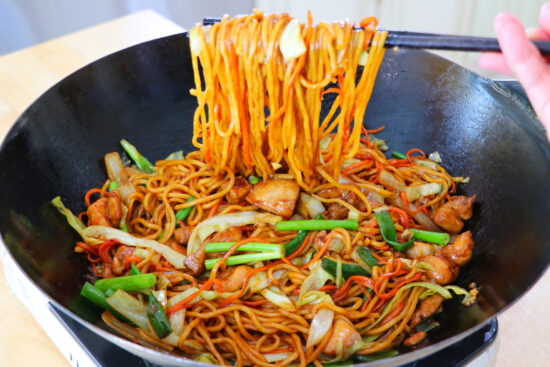
20-Min Chicken Teriyaki Lo Mein Recipe
Teriyaki Chicken Lo Mein brings together two flavors I’ve always loved: classic Chinese lo mein noodles and the sweet, glossy richness of Japanese-style teriyaki. Lo …
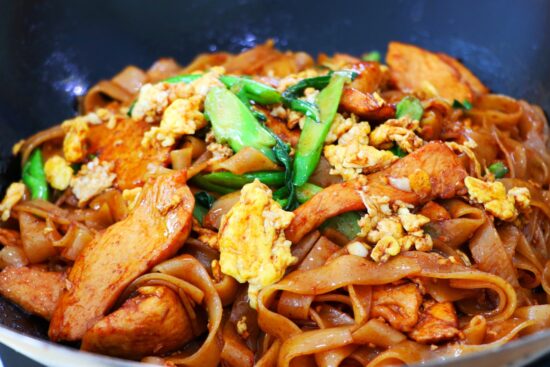
20-Minute Chicken Pad See Ew Recipe
Chicken Pad See Ew was the noodle dish I grew up eating on the streets of Bangkok. Vendors would stir-fry wide rice noodles over blazing-hot …
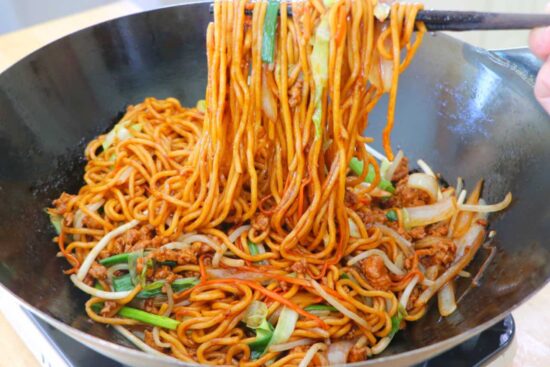
15-Min Ground Chicken Lo Mein Recipe
Ground Chicken Lo Mein is one of my favorite weeknight dinners when I need something fast, comforting, and satisfying. Instead of slicing chicken breast like …
Pne of my all time favorites,
Thank you, Junji!