
No products in the cart.

15-Min Shrimp Chow Fun Recipe
Shrimp Chow Fun is a classic Cantonese noodle dish made with wide rice noodles, juicy shrimp, and a savory soy-based sauce. The noodles are stir-fried over high heat until lightly charred and infused with that signature smoky flavor known as wok hei.
If you’ve ever tried making chow fun at home, you’ve probably run into the same problem many home cooks face—broken noodles. Wide rice noodles are delicate, and once they break apart, the dish loses the texture that makes chow fun so satisfying.
The good news is that making great Shrimp Chow Fun at home is easier than you might think. With a few simple techniques, you can keep the noodles bouncy and intact while sealing in tender, juicy shrimp.
This quick 15-minute recipe delivers all the flavors of your favorite Cantonese restaurant version right from your own kitchen.
What Is Chow Fun?
Chow Fun is a Cantonese stir-fried noodle dish made with wide rice noodles, often called ho fun.
The noodles are cooked over high heat with a protein, vegetables, and a savory sauce until lightly charred and infused with wok hei, the smoky flavor that comes from cooking in a hot wok.
Popular versions include Beef Chow Fun, Chicken Chow Fun, and Shrimp Chow Fun. While the ingredients may vary, the goal is always the same: silky noodles, tender protein, and plenty of wok flavor.
Chow Fun vs. Chow Mein
Although both are popular Chinese noodle dishes, the noodles are quite different.
Chow Fun is made with wide rice noodles that are soft, silky, and slightly chewy.
Chow Mein is made with wheat egg noodles that are firmer and often crispier.
If you love tender, sauce-coated noodles, Chow Fun is usually the better choice. If you prefer a firmer bite and more texture, Chow Mein might be your favorite.
What Is Wok Hei?
Wok hei is often described as the “breath of the wok.” It’s the slightly smoky flavor that develops when ingredients are cooked over very high heat in a hot wok.
It’s one of the reasons restaurant stir-fries taste different from homemade versions.
To create more wok hei at home:
- Preheat the wok before adding oil.
- Cook over high heat.
- Avoid overcrowding the wok.
- Keep the ingredients moving.
Even if you don’t have a restaurant burner, these simple steps can help create more flavor in your Chow Fun.
How Do I Keep Shrimp Tender?
One of the secrets to restaurant-style Shrimp Chow Fun is tender, juicy shrimp.
This recipe uses a light coating of cornstarch, which helps protect the shrimp from drying out during cooking.
Another important step is cooking the shrimp briefly and removing them from the wok before finishing the rest of the dish. Once the noodles are ready, the shrimp are added back at the end so they stay tender and juicy.
Fresh Rice Noodles vs. Dried Rice Noodles
Traditional Cantonese restaurants often use fresh rice noodles, but dried rice noodles are much easier to find and work beautifully in this recipe.
Fresh rice noodles have a softer, silkier texture and usually don’t require boiling.
Dried rice noodles are more convenient, store well in the pantry, and produce excellent results when cooked properly.
If using dried noodles, be careful not to overcook them. Slightly undercooking them before stir-frying helps prevent breakage.
Why Do Rice Noodles Break When Stir-Frying?
One of the biggest challenges when making chow fun is keeping the noodles intact.
Here are the most common causes:
The noodles were overcooked: Soft noodles continue cooking in the wok and can easily fall apart.
The noodles weren’t rinsed with cold water: Cooling the noodles immediately helps stop the cooking process.
The noodles were stirred too aggressively: Wide rice noodles are delicate and should be tossed gently.
The noodles didn’t contain enough starch: Rice noodles with a bit of starch tend to hold together better during stir-frying.
Let’s Talk Ingredients
Shrimp: Shrimp cook quickly and add a naturally sweet flavor that pairs perfectly with the savory noodles. A light coating of cornstarch helps keep them tender and juicy.
Wide Rice Noodles: These are the stars of the dish. Wide rice noodles have a soft, chewy texture and are perfect for absorbing the sauce. Slightly undercooking them helps prevent breakage during stir-frying.
Dark Soy Sauce: Dark soy sauce gives the noodles their rich color and adds depth of flavor.
Oyster Sauce: Adds savory umami flavor and helps create that classic Cantonese taste.
Chicken Stock: Helps distribute the sauce evenly throughout the noodles while adding extra flavor. Seafood stock works well too.
Onion, Scallions, and Bean Sprouts: These vegetables add sweetness, freshness, and texture. The bean sprouts also provide a nice crunch that contrasts with the soft noodles.
Garlic: Garlic adds aroma and flavor to the shrimp as they stir-fry.
Cooking Oil: A high-smoking-point cooking oil works best for creating wok hei and preventing sticking during high-heat stir-frying.
Step-by-Step: Let’s Cook
Serves: 4
Prep time: 8 minutes
Cook time: 7 minutes
Step 1: Season the Shrimp
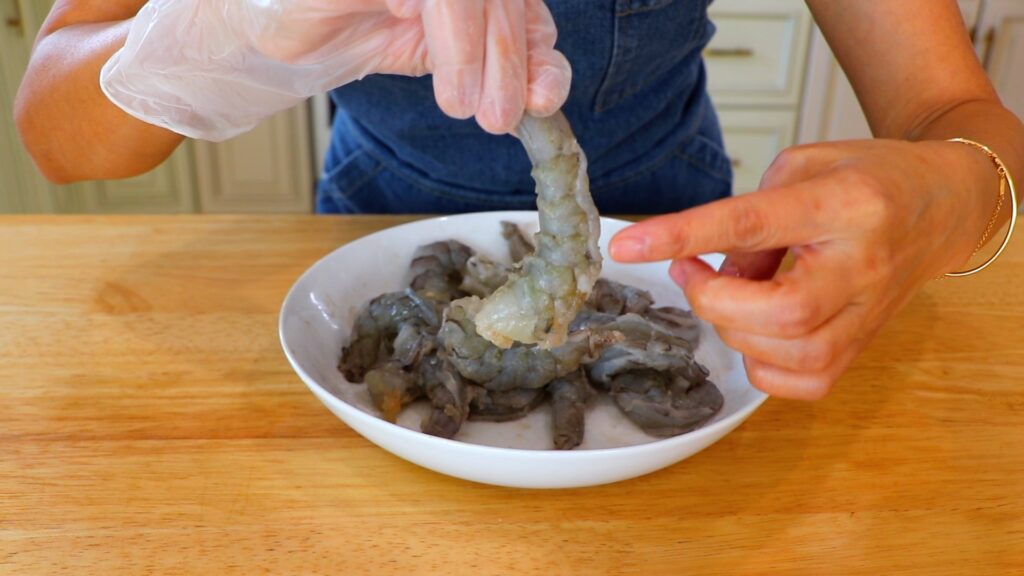
On a plate, add the shrimp, salt, white pepper, and cornstarch. Mix well until evenly coated.
Tip: The cornstarch creates a light coating that helps the shrimp stay tender and juicy.
Step 2: Prepare the Ingredients
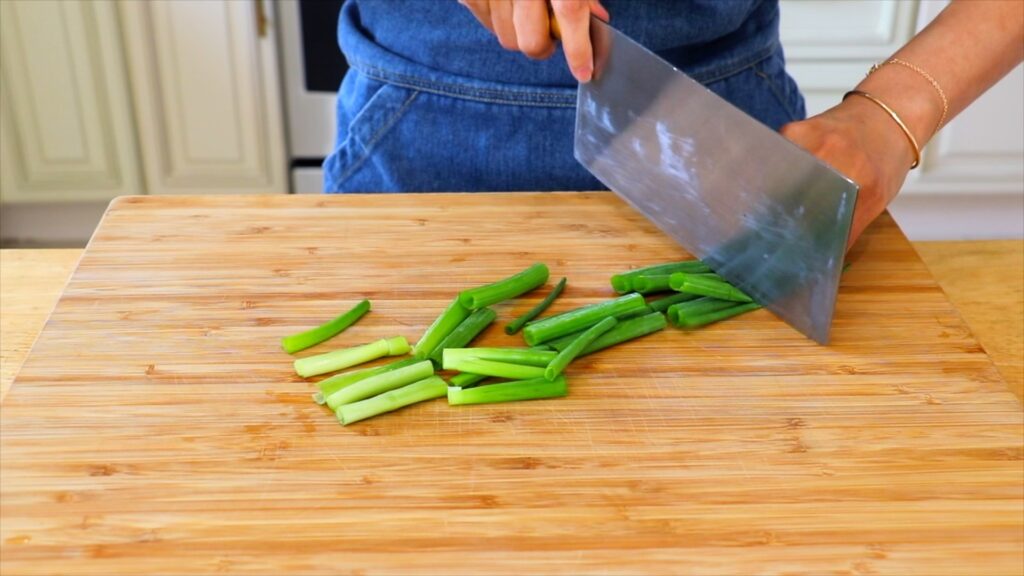
Slice the onion and scallions, and mince the garlic.
Tip: Have everything ready before heating the wok. Once you start stir-frying, the cooking process moves very quickly.
Step 3: Make the Stir-Fry Sauce
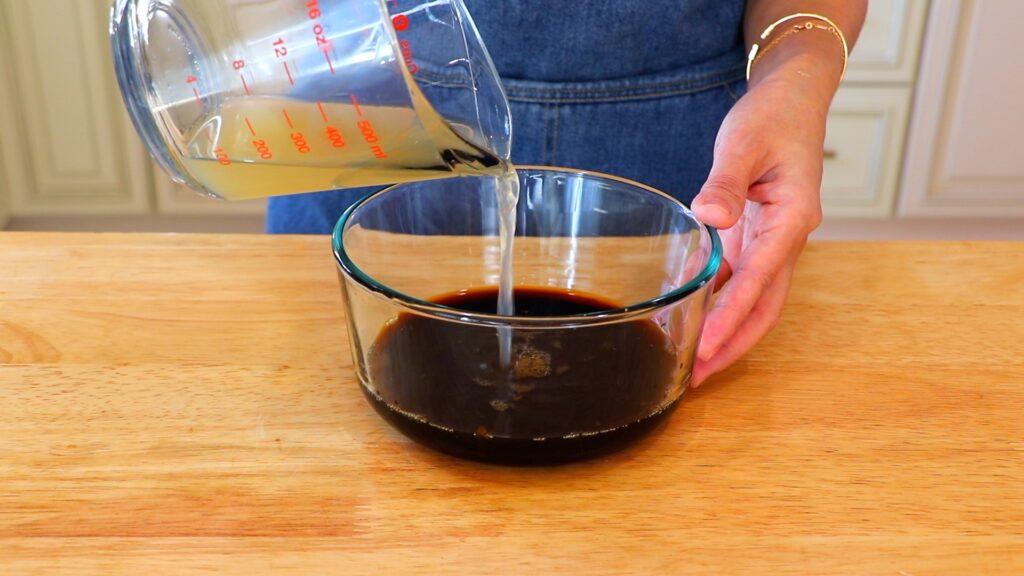
In a bowl, whisk together the soy sauce, dark soy sauce, oyster sauce, and chicken stock.
Tip: Stir-fries cook fast, so having the sauce ready helps everything come together quickly and evenly.
Step 4: Boil the Rice Noodles
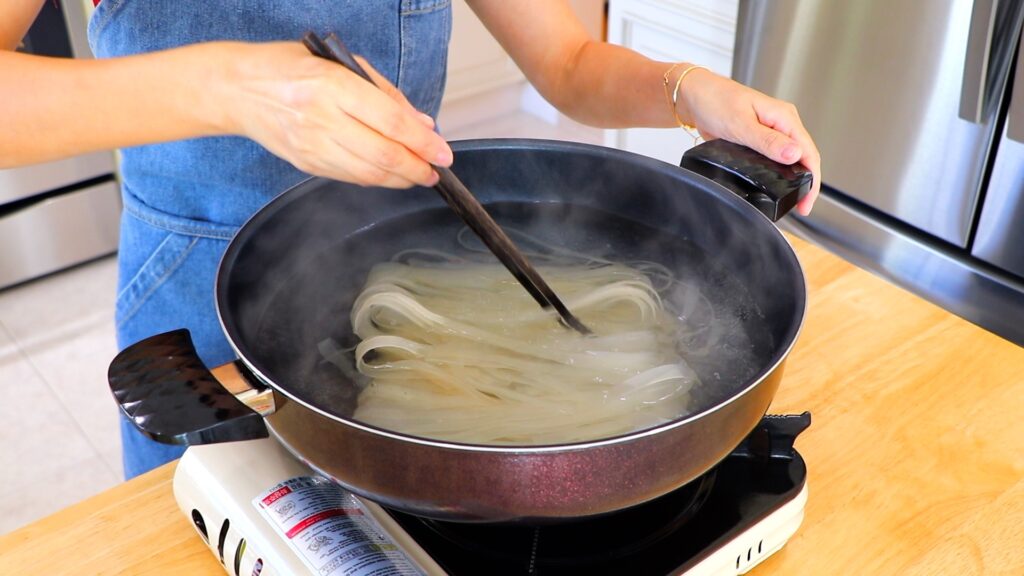
In a pot over high heat, bring water to a boil. Add the dried rice noodles and cook for about 3 minutes, just until softened.
Immediately transfer the noodles to cold water to stop the cooking process. Drain well and set aside.
Tip: Slightly undercooking the noodles helps them stay intact during stir-frying.
Step 5: Stir-Fry the Shrimp
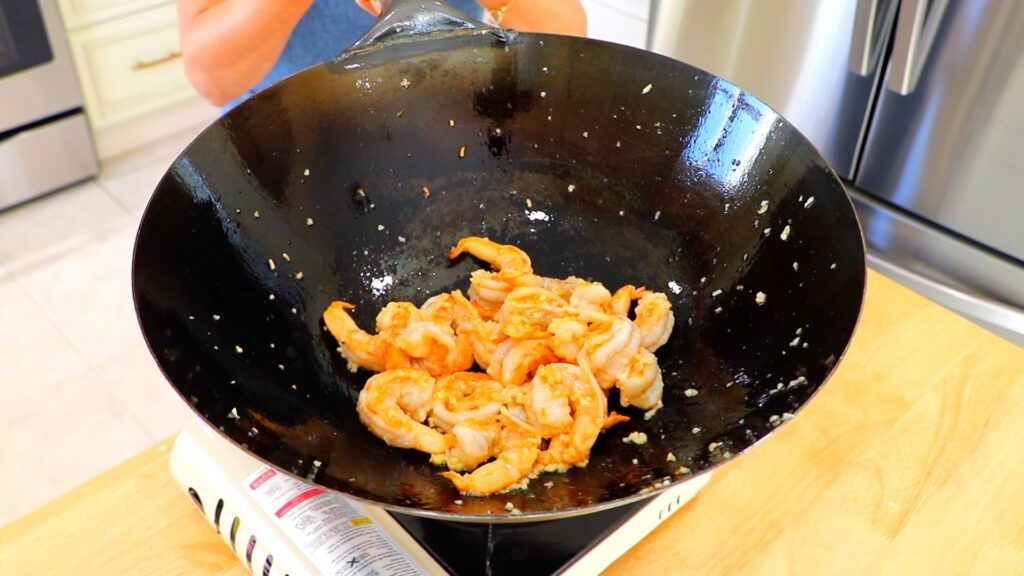
In a wok over high heat, add 1 tablespoon of cooking oil. Add the shrimp and garlic and stir-fry for about 1 minute, until lightly pink.
Remove from the wok and set aside.
Tip: The shrimp will finish cooking later, so don’t overcook them at this stage.
Step 6: Stir-Fry the Onion
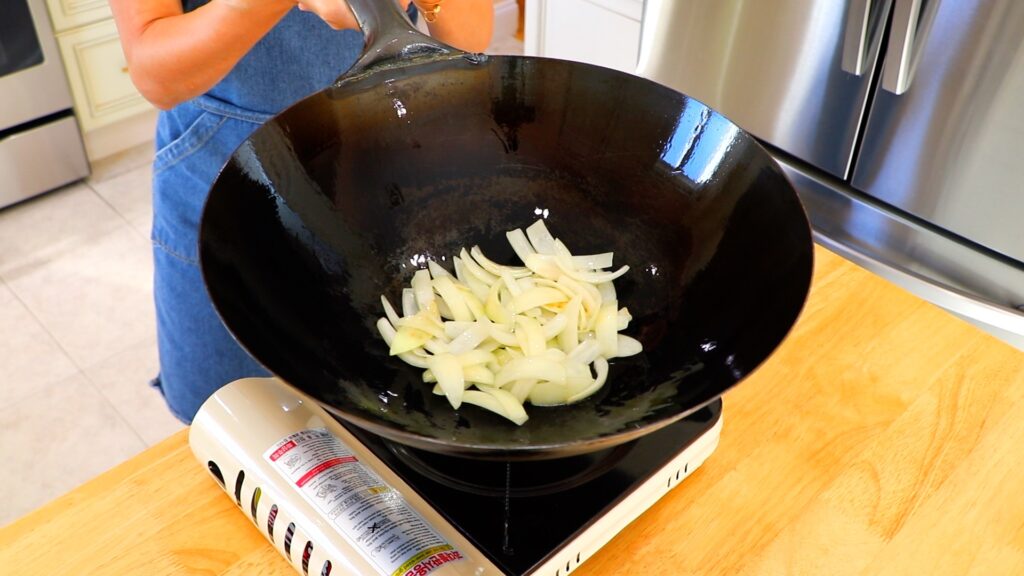
In the wok over high heat, add 1 tablespoon of cooking oil. Add the onion and stir-fry for about 1 minute, until slightly softened.
Remove and set aside.
Tip: Cooking the onion separately prevents it from overcooking while the noodles absorb the sauce.
Step 7: Stir-Fry the Shrimp Chow Fun
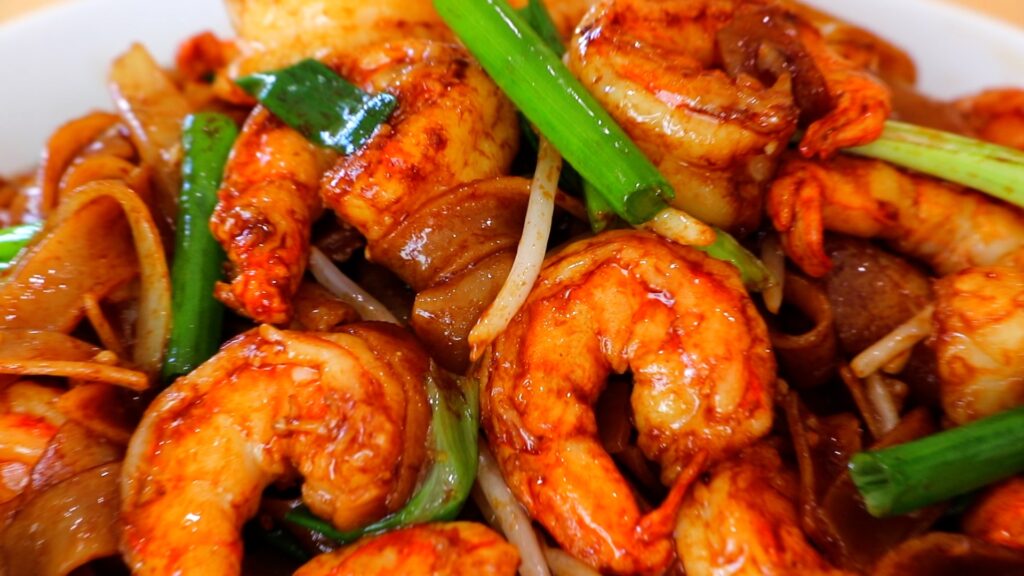
In the wok over high heat, add the remaining 1 tablespoon of cooking oil. Add the rice noodles and stir-fry until heated through.
Return the onion and pour in the sauce. Toss for about 1 minute until the noodles absorb the sauce.
Add the shrimp back in, along with the bean sprouts and scallions. Give everything a quick toss and remove from the heat.
Tip: Keep the heat high and toss gently to help the noodles stay intact while developing wok hei.
Frequently Asked Questions
Can I use fresh rice noodles instead of dried noodles? Yes. Fresh rice noodles work wonderfully and usually do not need to be boiled first.
What kind of noodles are used in Chow Fun? Chow Fun is traditionally made with wide rice noodles, sometimes called ho fun noodles.
Can I use seafood stock instead of chicken stock? Absolutely. Seafood stock adds even more shrimp flavor to the dish.
Can I make Shrimp Chow Fun ahead of time? Chow Fun is best served immediately while the noodles are hot and springy.
What other proteins can I use? This recipe also works well with chicken, beef, pork, scallops, or tofu.
15-Min Shrimp Chow Fun Recipe
Shrimp Chow Fun is a classic Cantonese stir-fried noodle dish with wide rice noodles, smoky wok hei, and juicy shrimp in every bite.
Ingredients
For the shrimp
- 1 pound shrimp, peeled and deveined
- Pinch of salt
- Pinch of white pepper
- ½ teaspoon cornstarch
- 2 cloves garlic, minced
For the sauce
- 1 tablespoon soy sauce
- 2½ tablespoons dark soy sauce
- 2 tablespoons oyster sauce
- ¾ cup chicken stock, or seafood stock
For the stir-fry
- 14 ounces dried rice noodles, thick
- 3 tablespoons cooking oil, divided
- ½ medium onion, sliced
- 3 stalks scallions, sliced
- ½ cup bean sprouts
Instructions
- To season the shrimp, on a plate, combine the shrimp, salt, white pepper, and cornstarch. Mix well until evenly coated.
- To prepare the ingredients, slice the onion and scallions, and mince the garlic.
- To make the stir-fry sauce, in a bowl, whisk together the soy sauce, dark soy sauce, oyster sauce, and chicken stock.
- To boil the rice noodles, in a pot over high heat, bring water to a boil. Add the rice noodles and cook for about 3 minutes, just until softened. Immediately transfer the noodles to cold water to stop the cooking process. Drain well and set aside.
- To stir-fry the shrimp, in a wok over high heat, add 1 tablespoon of cooking oil. Add the shrimp and garlic and stir-fry for about 1 minute, until lightly pink. Remove from the wok and set aside.
- To stir-fry the onion, in the wok over high heat, add 1 tablespoon of cooking oil. Add the onion and stir-fry for about 1 minute, until slightly softened. Remove and set aside.
- To stir-fry the shrimp chow fun, in the wok over high heat, add the remaining 1 tablespoon of cooking oil. Add the rice noodles and stir-fry until heated through. Return the onion and pour in the sauce. Toss for about 1 minute until the noodles absorb the sauce. Add the shrimp back in, along with the bean sprouts and scallions. Give everything a quick toss and remove from the heat.
Video
Notes
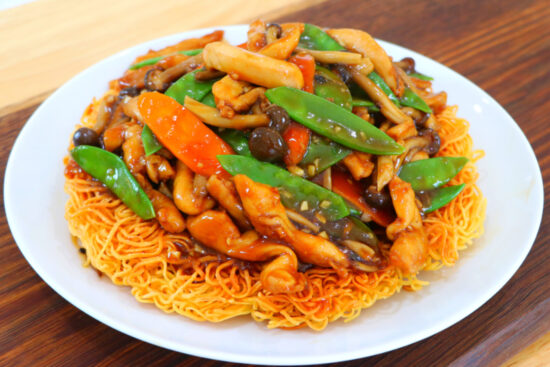
30-Min Hong Kong Crispy Chow Mein with Chicken
There’s something special about Hong Kong Crispy Chow Mein. You start with golden, crispy noodles, then spoon tender chicken, fresh vegetables, and a silky, savory …
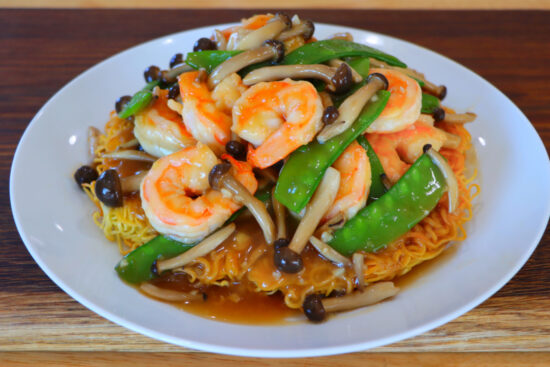
30-Min Hong Kong Crispy Chow Mein with Shrimp
Hong Kong Crispy Chow Mein is all about texture—that moment when the noodles hit the plate still golden and crackly, with silky shrimp and glossy …
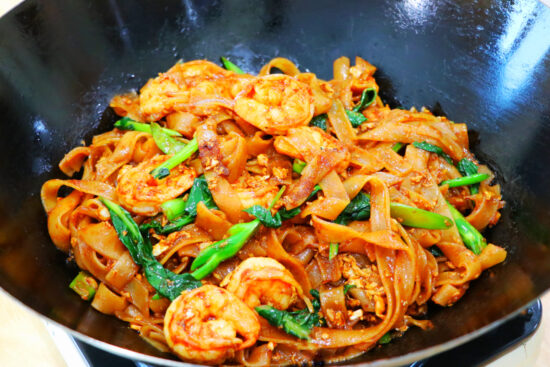
15-Min Shrimp Pad See Ew Recipe
Shrimp Pad See Ew has always been a nostalgic dish for me. Growing up in Thailand, it was one of those meals you could find …
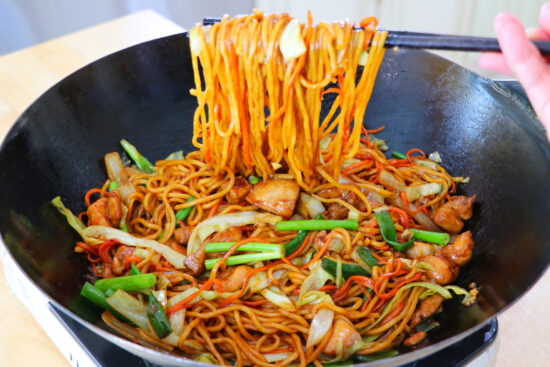
20-Min Chicken Teriyaki Lo Mein Recipe
Teriyaki Chicken Lo Mein brings together two flavors I’ve always loved: classic Chinese lo mein noodles and the sweet, glossy richness of Japanese-style teriyaki. Lo …
20-Minute Chicken Pad See Ew Recipe
Chicken Pad See Ew was the noodle dish I grew up eating on the streets of Bangkok. Vendors would stir-fry wide rice noodles over blazing-hot …
15-Min Ground Chicken Lo Mein Recipe
Ground Chicken Lo Mein is one of my favorite weeknight dinners when I need something fast, comforting, and satisfying. Instead of slicing chicken breast like …