
No products in the cart.
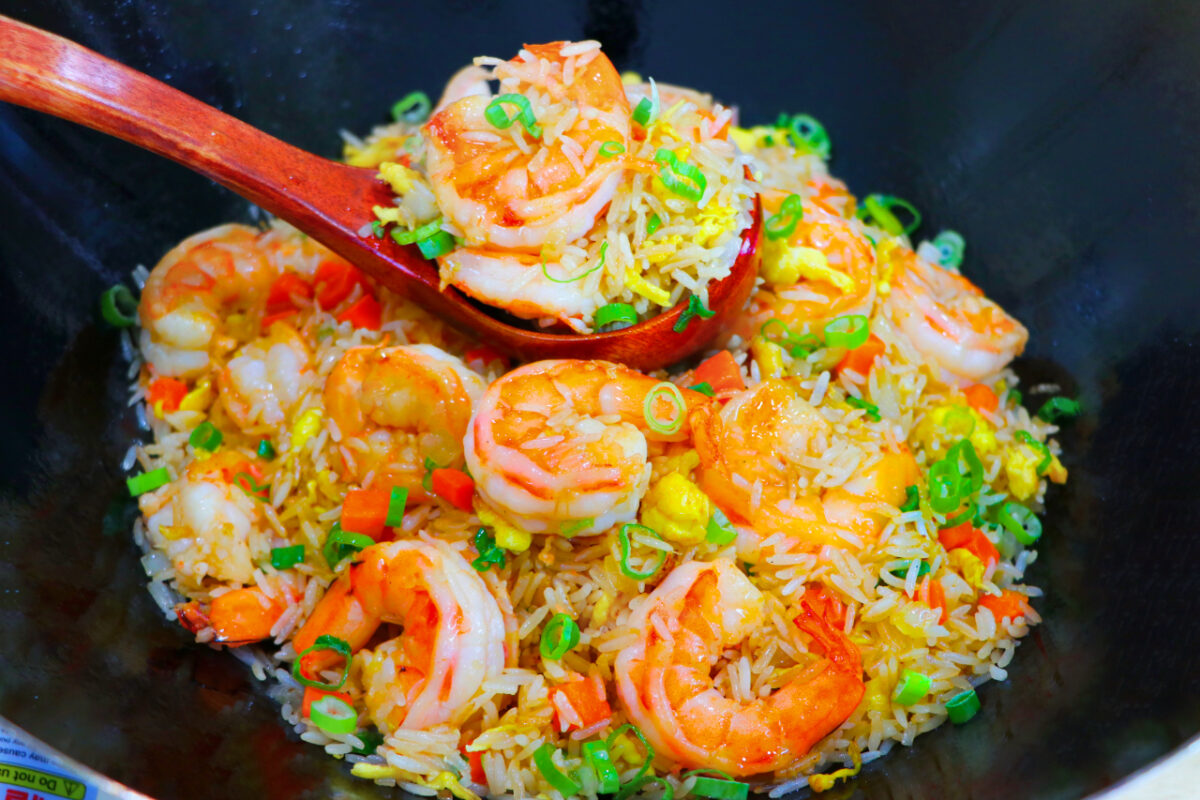
10-Min Teriyaki Shrimp Fried Rice Recipe
Teriyaki Shrimp Fried Rice is one of those dishes that came together naturally in my kitchen. I love fried rice, and I’ve always loved teriyaki—that sweet, savory glaze that coats everything so nicely. One day, I just combined the two, and it worked better than I expected.
You still get that classic fried rice texture—separated grains with a bit of wok flavor—but now with a light teriyaki coating that adds a little sweetness and shine without making it heavy.
It’s quick, simple, and really satisfying. And once you understand a few key steps, it’s something you can make anytime, especially when you have leftover rice in the fridge.
What Is Teriyaki Shrimp Fried Rice?
This is a combination of two familiar dishes.
Fried rice is all about high heat, quick cooking, and keeping the grains separate. Teriyaki adds a slightly sweet, savory sauce made from soy sauce, mirin, sake, and sugar.
Instead of making it saucy, the goal here is to lightly coat the rice so every bite has flavor, but still feels light.
How to Cook Shrimp for Fried Rice?
Shrimp cook very quickly, so timing is everything.
Start by seasoning it lightly and adding a bit of cornstarch. This creates a thin coating that helps keep the shrimp tender.
Cook it first over high heat, just until it turns slightly pink, then remove it right away. It will finish cooking when you add it back at the end.
That’s how you keep it juicy instead of rubbery.
What Type of Rice to Use for Fried Rice?
Rice is the foundation of this dish, so it really matters.
Long-grain rice (like jasmine rice) is my go-to. The grains stay separate, giving you that light, fluffy texture you expect from fried rice.
Medium-grain rice is a bit softer and slightly stickier. It still works, but the texture will be more tender and less separated.
Short-grain rice (like sushi rice) is the stickiest. In Japanese cooking, it’s actually used for fried rice too—but it gives you a softer, slightly clumped texture instead of that loose, fluffy style.
No matter which rice you use, the key is the same: make sure it’s not too wet so the grains can separate when you stir-fry.
Leftover Rice vs. Freshly Steamed Rice
This is something people always ask.
Leftover rice is the easiest option. It’s been sitting in the fridge, so it’s a little drier, and the grains separate more easily when you stir-fry.
Freshly steamed rice can still work—I use it sometimes, too. It just gives you a slightly softer texture. If you’re using fresh rice, spread it out and let it cool and dry a bit before cooking.
Dryer rice = better separation, but both work depending on the texture you like.
Why Your Fried Rice Turns Mushy
If your fried rice turns soft or sticky, it usually comes down to a few things.
- The rice is too wet
- The pan isn’t hot enough
- Too much sauce is added
- The pan is overcrowded
Fried rice should feel light and a little bouncy, not heavy.
How to Get Restaurant-Style Fried Rice
This is where everything comes together.
Use high heat
You need enough heat to cook off moisture quickly.
Cook in stages
Cook the shrimp first, then the vegetables, then the rice. This keeps everything from steaming.
Let the rice sit briefly
Give it a moment in the pan before tossing—this builds flavor.
Don’t over-sauce
A light coating is all you need.
Once you get this rhythm, fried rice becomes very easy—and much better than takeout.
Let’s Talk Ingredients
Shrimp
Shrimp cook very quickly, so the key is not to overcook them. A light coating of cornstarch helps protect it and keeps it tender and juicy during stir-frying.
Rice
This is the heart of the dish. Day-old rice gives you that classic separated texture, but fresh rice works too if you let it cool and dry a bit. The goal is light, fluffy grains—not sticky.
Garlic
Adds a quick burst of aroma right at the start. It builds that base flavor you smell immediately when cooking.
Eggs
They add richness and help coat the rice, giving you that soft, slightly fluffy texture throughout.
Onion & carrot
A simple combination that brings a little sweetness and texture without overpowering the dish.
Teriyaki sauce
This is where the flavor changes. It adds a light sweetness and a glossy finish, but you only need a small amount, so the rice doesn’t get heavy.
Scallions
Added at the end for freshness. They keep the dish bright and balanced.
Cooking oil
Use a high-smoking-point oil so you can cook over high heat and build that stir-fry flavor.
Simple ingredients—but it’s how you cook them that makes all the difference.
Step-by-Step: Let’s Cook
Serves: 4
Prep time: 6 minutes
Cook time: 4 minutes
Step 1: Prepare the shrimp
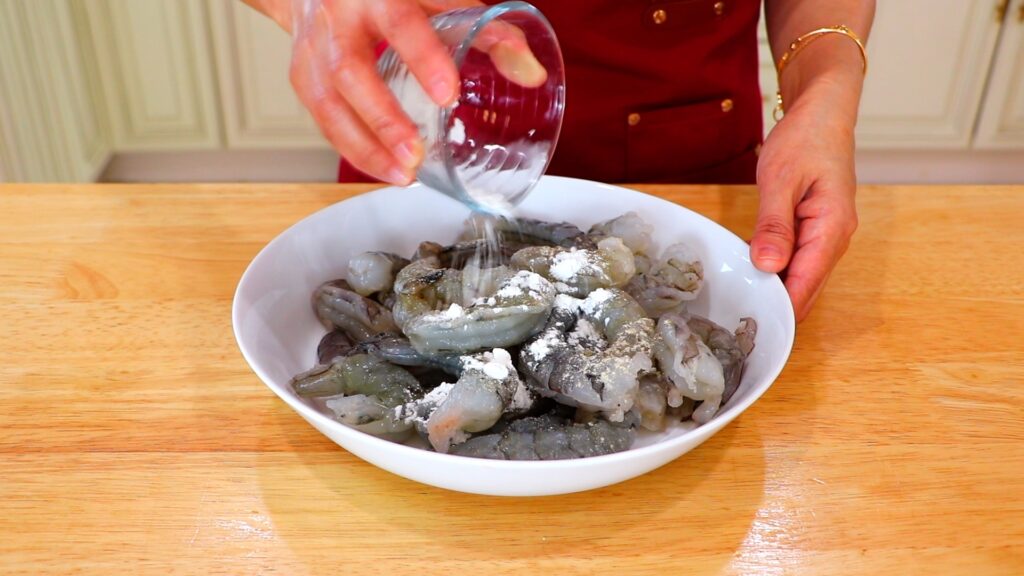
In a bowl, add the shrimp, salt, white pepper, and cornstarch. Mix until evenly coated, then add cooking oil and toss gently. Set aside.
Tip: This light coating helps keep the shrimp tender and prevents overcooking.
Step 2: Prepare the sauce
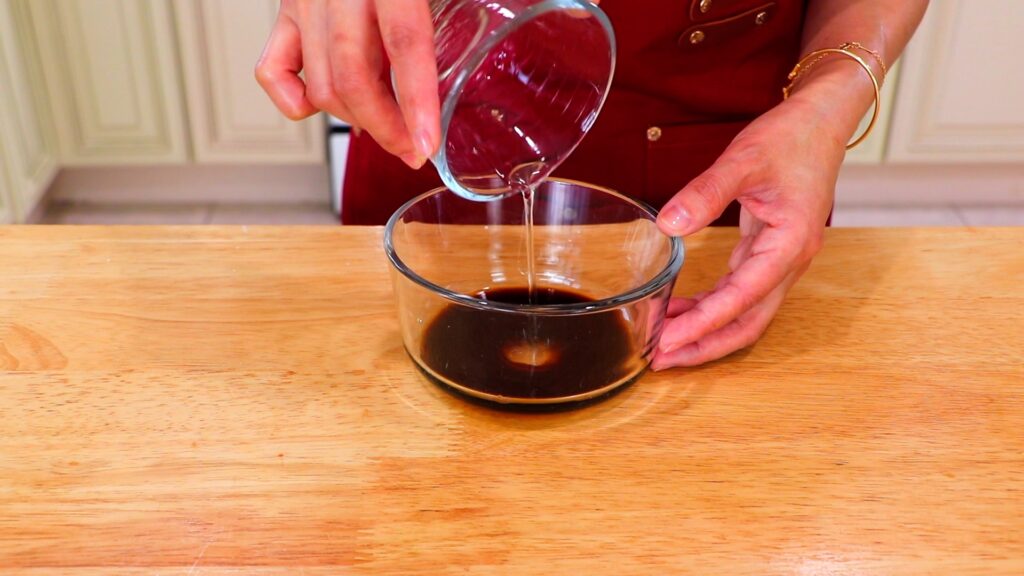
In a bowl, combine soy sauce, sake, mirin, and sugar. Mix until the sugar dissolves. Set aside.
Tip: Keep the sauce light—fried rice should be coated, not soaked.
Step 3: Prepare the rice
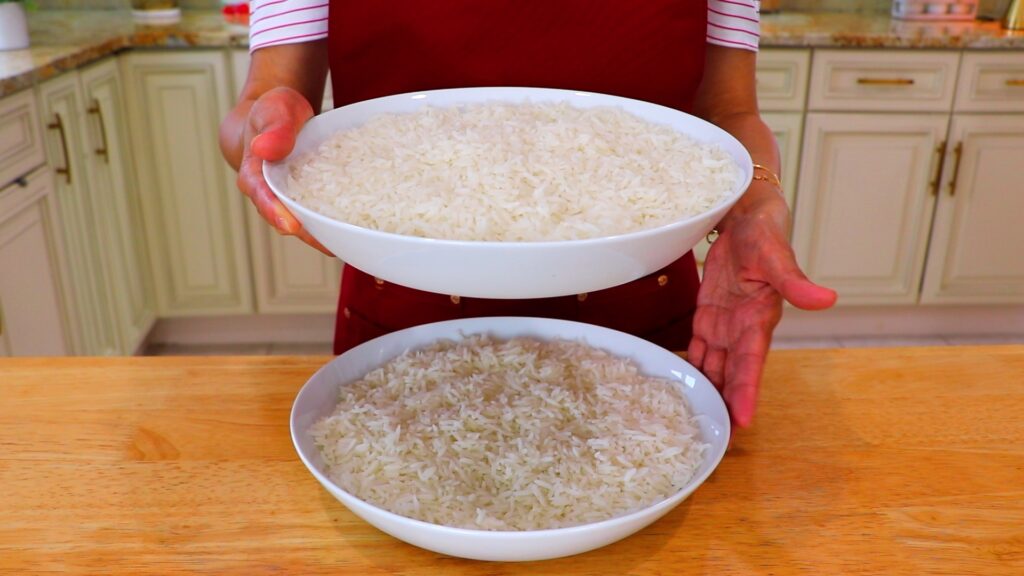
Gently separate the overnight rice with your hands so there are no large clumps before cooking.
If you’re cooking the rice fresh, use slightly less water than usual, about a 1:1 ratio of rice to water. Once it’s cooked, spread it out and let it cool so the steam can escape. This helps dry it out a bit before stir-frying.
Tip: Cold, overnight rice is a little drier, which helps the grains stay separate and gives you that light, fluffy texture.
Step 4: Stir-fry the shrimp
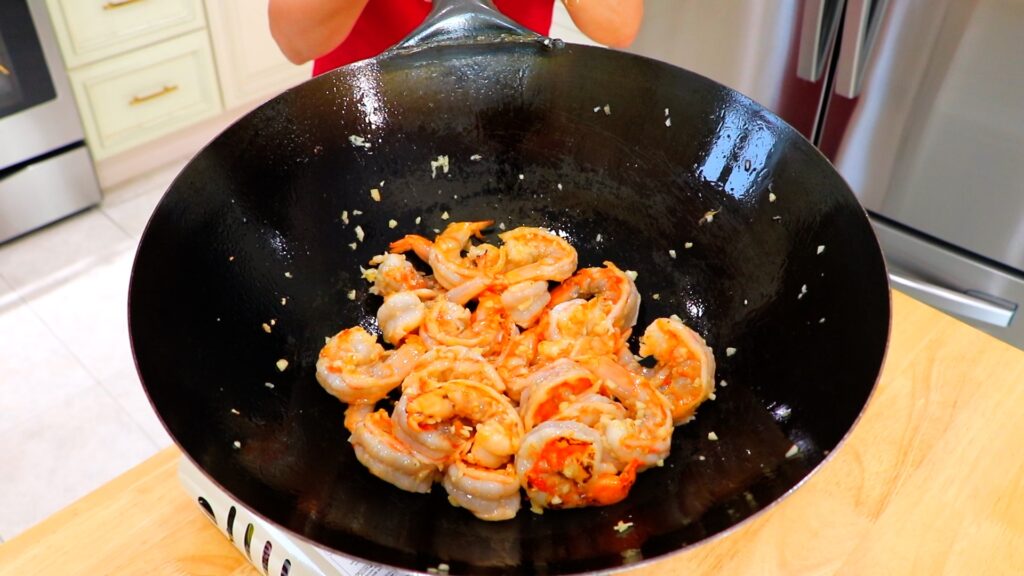
In a wok over high heat, add cooking oil. Add the shrimp and garlic, and stir-fry for about 1 minute until just pink. Remove immediately.
Tip: Don’t overcook—the shrimp will finish cooking later.
Step 5: Stir-fry the vegetables
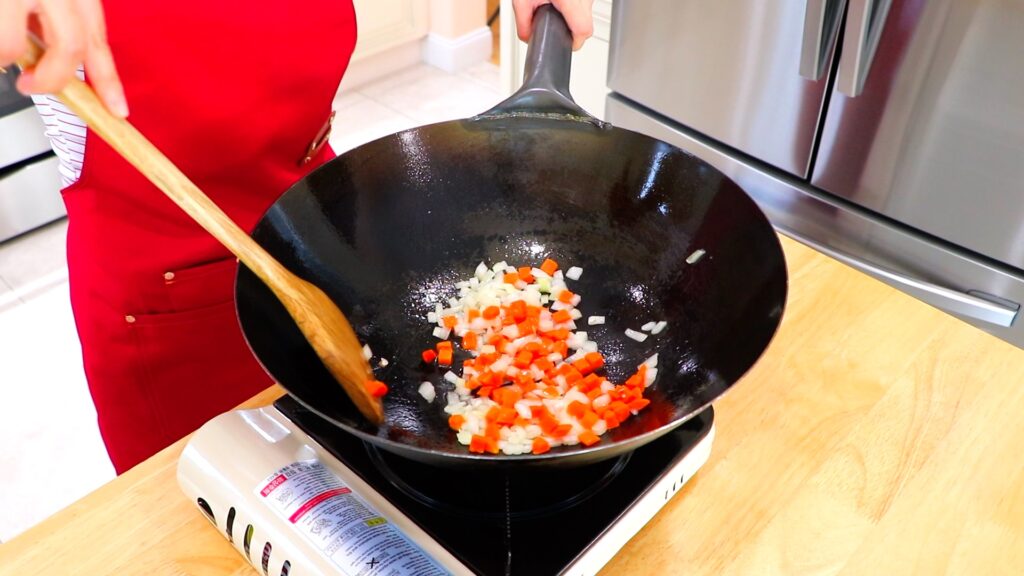
In the same wok, add a little more oil. Add the onion and carrot, and stir-fry for about 30 seconds until fragrant.
Tip: Keep the vegetables slightly crisp for contrast.
Step 6: Cook the eggs and rice
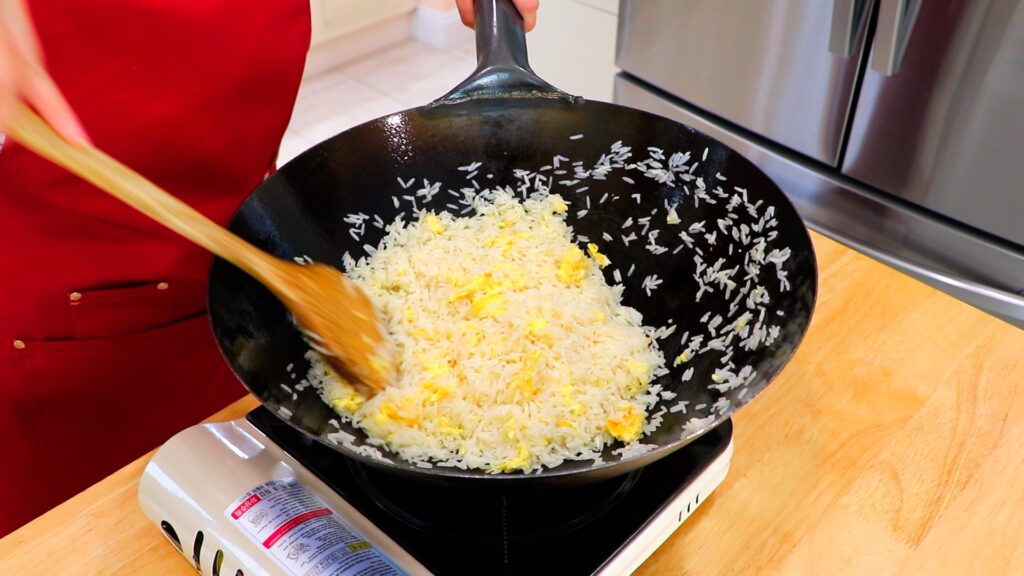
Add oil if needed, then add the eggs and scramble until just partially set. Add the rice and stir-fry until heated through, and the grains are separated.
Tip: Let the rice sit briefly before tossing to build flavor.
Step 7: Combine and finish
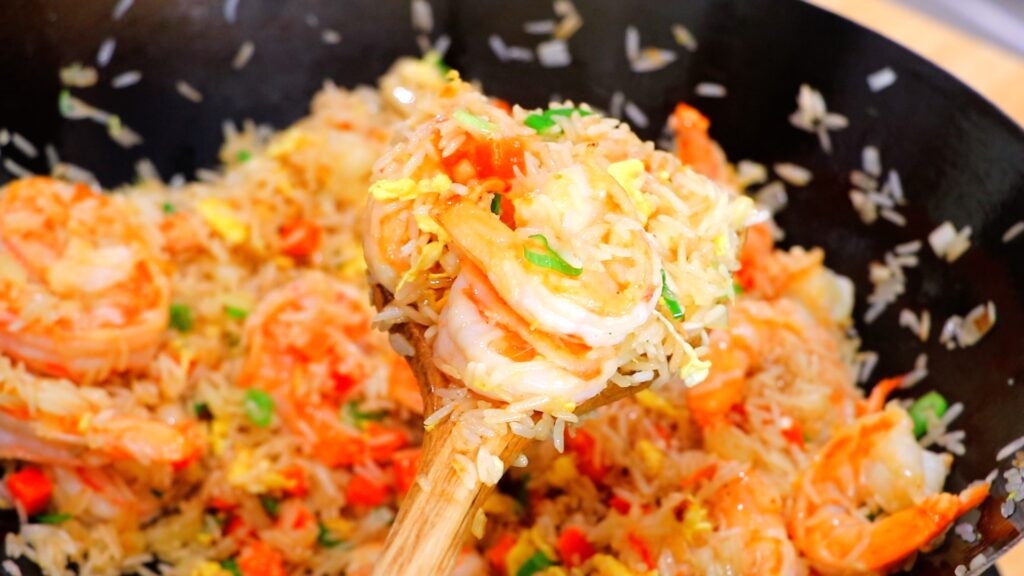
Return the shrimp and vegetables to the wok. Pour in the sauce and toss quickly until everything is evenly coated. Add the scallions and give a final toss.
Tip: Keep this step quick so the rice stays light and not overworked.
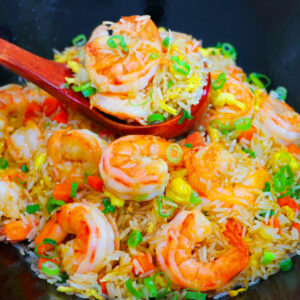
10-Min Teriyaki Shrimp Fried Rice Recipe
Shrimp Teriyaki Fried Rice is a quick and flavorful dish with tender shrimp, fluffy rice, and a light sweet-savory teriyaki sauce.
Ingredients
For the shrimp
- 1 pound shrimp, peeled and deveined
- Pinch of salt
- Pinch of white pepper
- 1 teaspoon cornstarch
- 1 tablespoon cooking oil
- 3 cloves garlic, minced
For the stir-fry
- 3 tablespoons cooking oil, divided (high-smoking-point oil)
- ½ medium onion, finely diced
- ½ cup carrots, diced (defrosted if frozen)
- 2 large eggs, beaten
- 3 cups overnight jasmine rice
- 2 stalks scallions, thinly sliced
Instructions
- To season the shrimp, in a bowl, add the shrimp, salt, white pepper, and cornstarch and mix until evenly coated, then add the cooking oil and toss gently to combine.
- To make the sauce, in a bowl, combine the soy sauce, sake, mirin, and sugar and mix until the sugar is dissolved.
- To prepare the rice, loosen the overnight rice with your hands so the grains separate easily before cooking.
- To stir-fry the shrimp, in a wok over high heat, add 1 tablespoon of cooking oil, add the shrimp and garlic, and stir-fry for about 1 minute until just pink, then remove.
- To stir-fry the vegetables, in the same wok over high heat, add 1 tablespoon of cooking oil, add the onion and carrot and stir-fry for about 30 seconds until fragrant, then remove.
- To cook the eggs and rice, in the wok over high heat, add the remaining 1 tablespoon of cooking oil, add the eggs and scramble until partially set, then add the rice and stir-fry until heated through and the grains are separated.
- To combine, return the shrimp and vegetables to the wok, pour in the sauce and toss quickly until evenly coated, then add the scallions and give a final toss.
- To serve, transfer to a plate and serve hot.
Video
Notes
- Dry rice is key: Slightly dried or overnight rice helps keep the grains separate and prevents mushy fried rice.
- Don’t overcook the shrimp: Cook just until pink, then remove—it will finish cooking later.
- High heat matters: A hot wok helps evaporate moisture and gives better texture.
- Cook in stages: This keeps everything from steaming and helps maintain texture.
- Don’t over-sauce: Fried rice should be lightly coated, not wet.
- Protein swap: You can use chicken, beef, tofu, or a mix—adjust cooking time as needed.
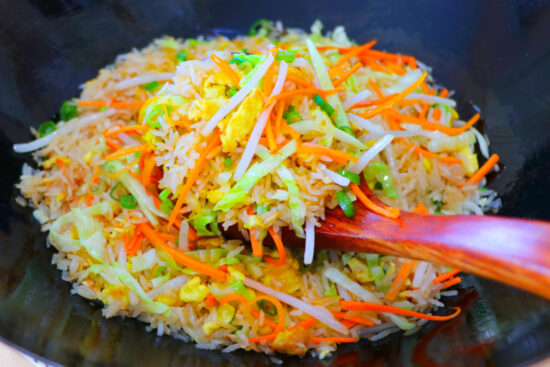
8-Min Vegetable Fried Rice Recipe
Vegetable Fried Rice is one of those dishes I can make anytime, especially when I open the fridge and see leftover rice sitting there. In …
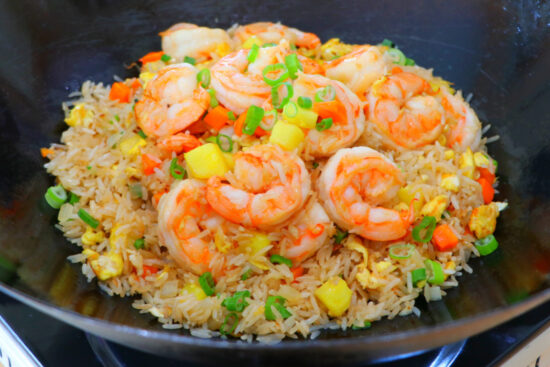
10-Min Pineapple and Shrimp Fried Rice Recipe
Pineapple and Shrimp Fried Rice is one of my favorite ways to turn leftover rice into a quick and delicious meal. The sweet pineapple, tender …
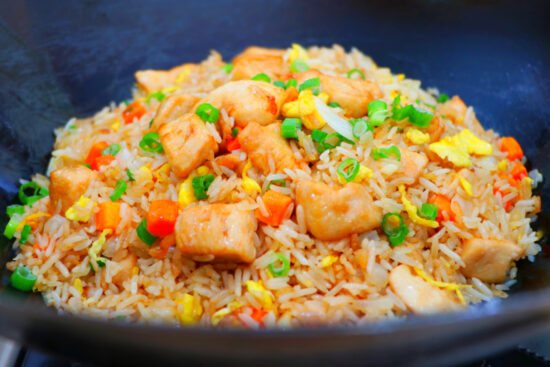
15-Minute Teriyaki Chicken Fried Rice Recipe
15-Minute Teriyaki Chicken Fried Rice came from combining two dishes I always go back to—fried rice and teriyaki chicken. Both are comforting in their own …
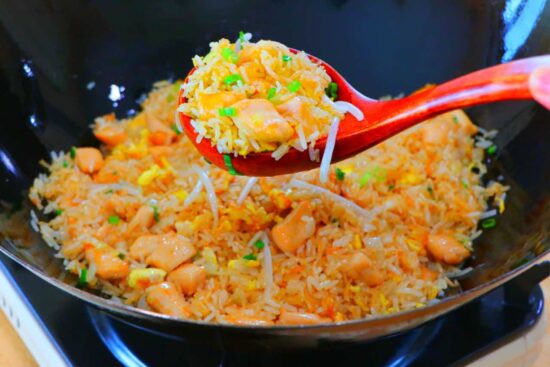
15-Min Chicken Fried Rice Recipe
This Chicken Fried Rice proves that simple ingredients can deliver big flavor—think juicy marinated chicken, fluffy rice with perfectly separated grains, and that irresistible smoky …

9-Min Shrimp Fried Rice Recipe
Shrimp Fried Rice is pure comfort in a bowl—juicy shrimp, fluffy rice, smoky wok aroma, and that irresistible restaurant-style flavor you can actually make at …
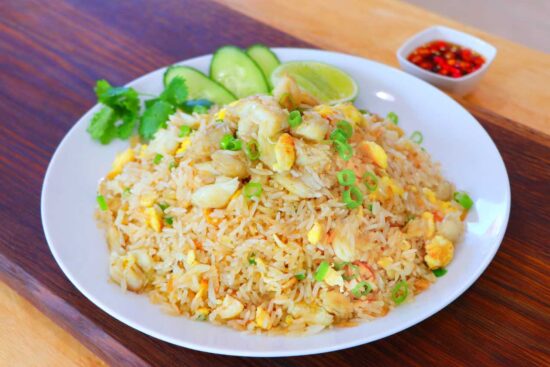
10-Min Thai Crab Fried Rice Recipe
What Is Thai Crab Fried Rice? Thai crab fried rice is a popular street-food dish made with fragrant jasmine rice, sweet lump crab meat, …
Good as hell I love fried rice
Thanks so much, carmenclay!