
No products in the cart.

Steamed Ma Lai Sponge Cake Recipe (Ma Lai Gao)
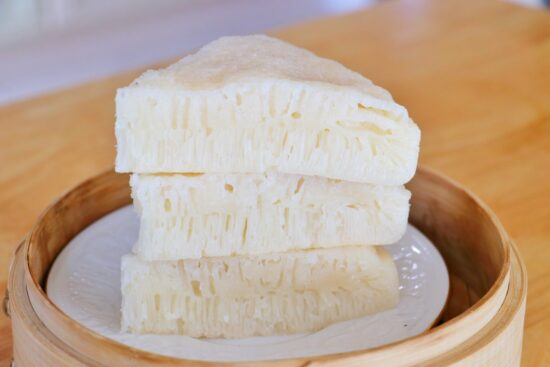
Steamed Ma Lai Sponge Cake, also known as Ma Lai Gao, is one of the most beloved desserts served at dim sum restaurants. It’s soft, fluffy, lightly chewy, and filled with the rich caramel-like flavor of brown sugar.
I still remember seeing those tall golden cakes rolling through the dim sum carts when I was growing up. They looked simple, but one bite revealed their unique texture—light and airy, yet moist and springy at the same time.
Traditionally, Ma Lai Gao requires a starter dough and a long fermentation process that can take up to 24 hours. While the traditional method produces wonderful results, it isn’t always practical for home cooks.
That’s why I love this shortcut version. Instead of waiting all day, we’ll use instant yeast along with a little baking powder and baking soda to create the same fluffy texture in a fraction of the time. The result is an easy Ma Lai Gao recipe that’s perfect for beginners and busy home cooks alike.
What Is Ma Lai Gao?
Ma Lai Gao is a Cantonese steamed sponge cake commonly served at dim sum restaurants.
Its name roughly translates to “Malay Cake,” reflecting its Malaysian roots. The cake was originally inspired by British-style sponge cakes brought to Southeast Asia and was later adapted by Cantonese chefs into the steamed version we know today.
Unlike Western sponge cakes, Ma Lai Gao is steamed rather than baked, giving it a uniquely moist, fluffy, and slightly chewy texture.
Traditional versions often rely on a fermented starter dough that develops flavor over many hours. This shortcut version delivers a similar texture and flavor without the lengthy preparation.
Why Traditional Ma Lai Gao Takes So Long
One reason many home cooks avoid making Ma Lai Gao is the long fermentation process.
Traditional recipes typically use a starter dough, sometimes called a levain, that ferments for many hours before the final batter is mixed. This process develops flavor and creates the cake’s signature airy texture.
For this recipe, we’re using instant yeast, along with baking powder and baking soda, to achieve excellent results much faster. After just one hour of fermentation, you’ll have a batter that’s ready to steam.
If you’ve always wanted to make Ma Lai Gao at home but didn’t want to wait a full day, this recipe is for you.
Let’s Talk Ingredients
Dark Brown Sugar: Gives Ma Lai Gao its signature caramel flavor and beautiful golden-brown color.
Evaporated Milk: Adds richness and helps create a softer crumb.
Instant Yeast: Helps develop flavor and creates the airy texture that makes Ma Lai Gao so unique.
Baking Powder and Baking Soda: Provide additional lift, helping the cake rise beautifully during steaming.
Cooking Oil: Keeps the cake moist and tender.
Step-by-Step: Let’s Cook
Makes: 1 (8-inch) round cake
Prep time: 15 minutes
Rest time: 1 hour
Cook time: 30 minutes
Step 1: Make the Batter
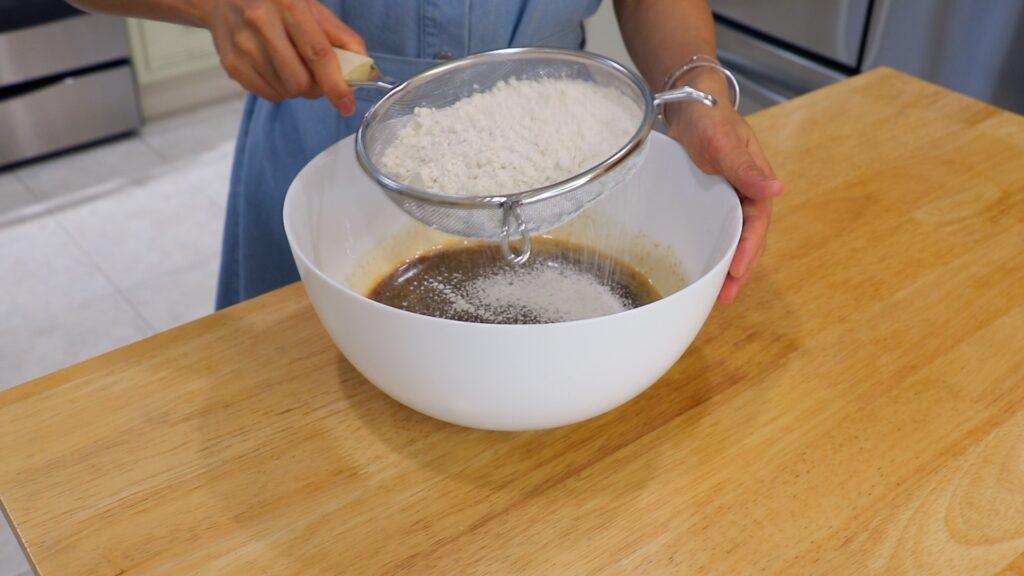
In a large mixing bowl, beat the eggs. Add the evaporated milk and avocado oil, then whisk until smooth.
Add the dark brown sugar and mix until dissolved.
Sift in the flour and salt, then mix until well combined.
Add the instant yeast and mix again, then cover the bowl.
Tip: Mixing until smooth helps create a more even texture throughout the cake.
Step 2: Ferment the Batter
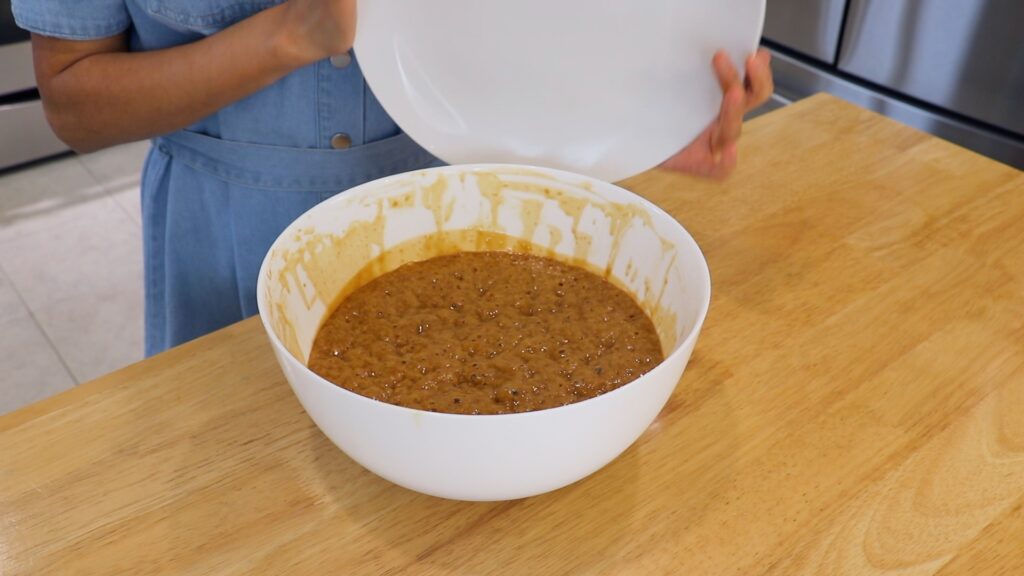
Let the batter ferment for about 1 hour, or until bubbles form on the surface.
Tip: To speed up fermentation, preheat your oven to its lowest setting for 1 minute, then turn it off. Place a pot of boiling water on the bottom rack and the bowl of batter on the middle rack. Close the oven door to create a warm, humid environment that helps the yeast work more efficiently.
Step 3: Add the Leavening
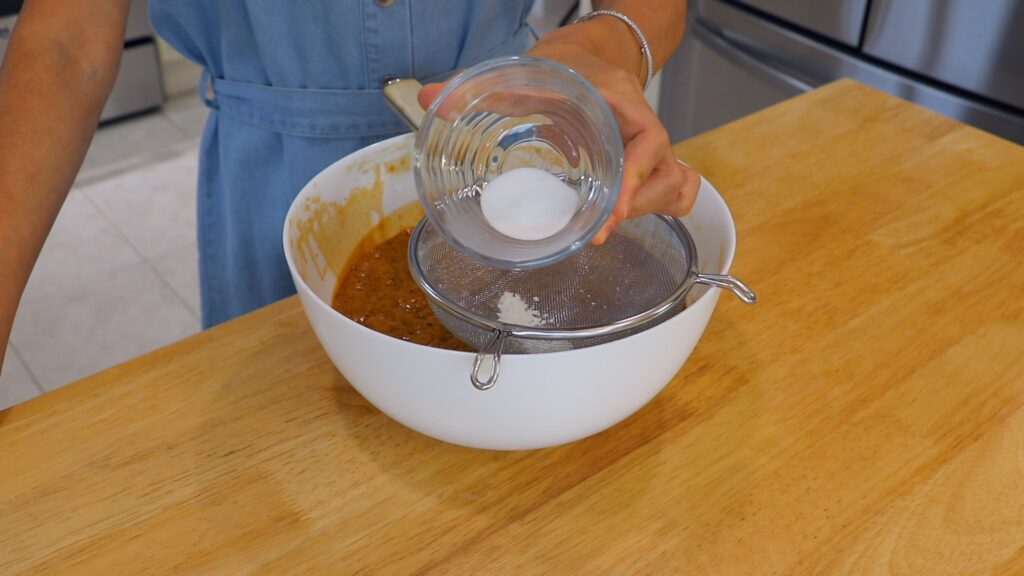
Sift the baking powder and baking soda into the fermented batter, then whisk until fully incorporated.
Tip: Adding the baking powder and baking soda after fermentation helps maximize their lifting power.
Step 4: Prepare the Steamer
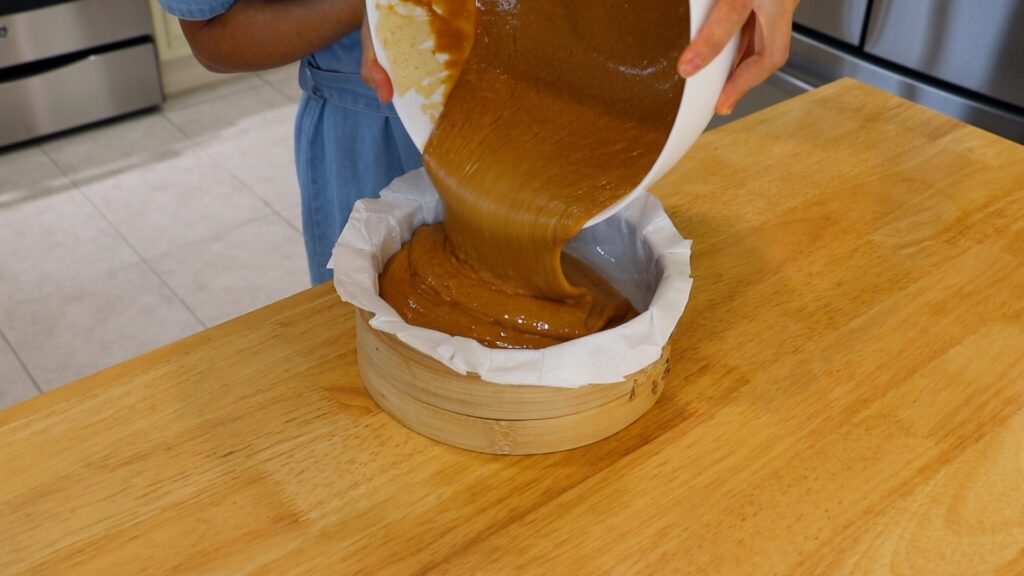
Line an 8-inch bamboo steamer or heatproof container with parchment paper, trimming away any excess. Pour the batter into the lined steamer.
Tip: Parchment paper makes it much easier to remove the cake after steaming.
Step 5: Steam the Cake
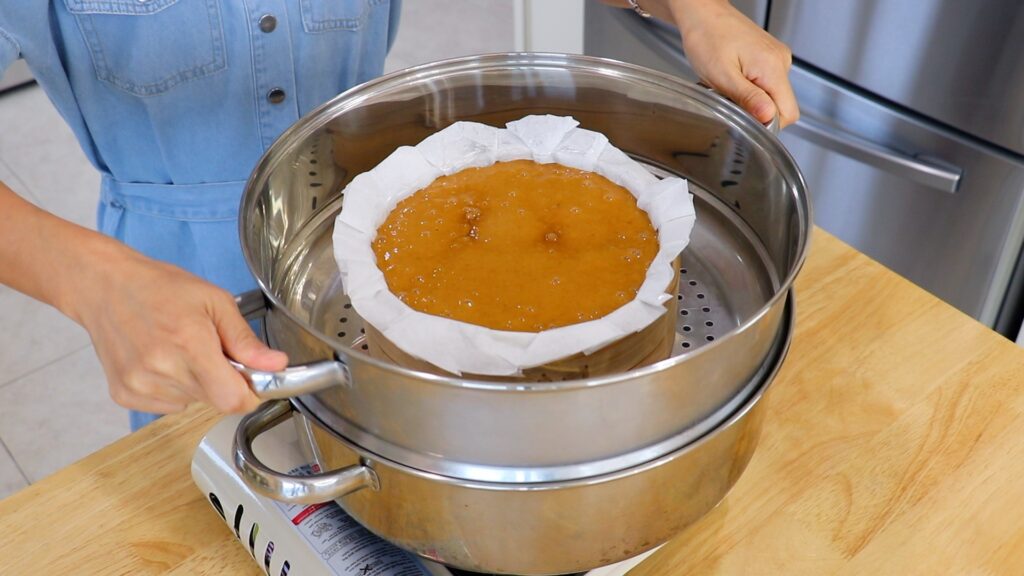
Wrap the steamer lid with a clean kitchen towel to catch condensation.
In a large pot over high heat, bring water to a boil. Reduce the heat to medium-high, place the steamer over the pot, cover, and steam for about 30 minutes, or until a toothpick inserted into the center comes out clean.
Tip: The towel helps prevent water droplets from falling onto the cake and creating an uneven surface.
Step 6: Cool and Serve
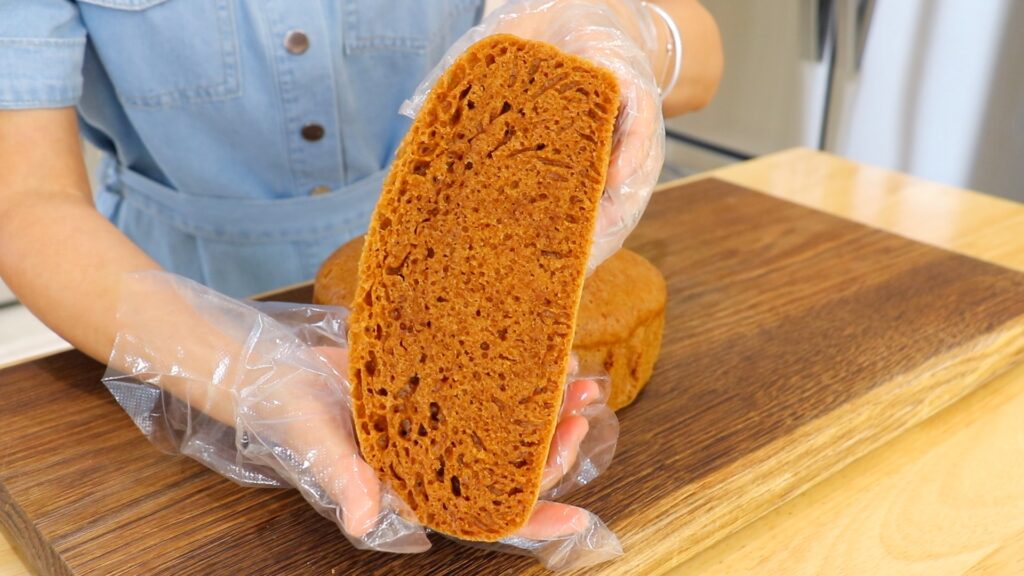
Turn off the heat and carefully remove the cake from the steamer. Let it cool slightly before slicing and serving.
Tip: Allowing the cake to cool briefly helps it set and makes slicing easier.
Why Didn’t My Ma Lai Gao Rise?
If your cake turned out dense instead of fluffy, one of these common issues may be the cause:
The batter didn’t ferment long enough: The yeast needs time to create air bubbles before steaming.
The environment was too cold: A warm environment helps the yeast work properly.
The leavening agents were old: Baking powder and baking soda lose effectiveness over time.
Water dripped onto the cake: Condensation can affect the texture and appearance of the finished cake.
Frequently Asked Questions
Can I make Ma Lai Gao without a starter?
Yes. This recipe uses instant yeast instead of a traditional starter, reducing the preparation time significantly.
Can I use regular milk instead of evaporated milk?
Evaporated milk provides a richer flavor and texture, but regular milk can be used if necessary.
Can I steam Ma Lai Gao without a bamboo steamer?
Absolutely. Any heatproof cake pan or container that fits inside your steamer setup will work.
Why is my Ma Lai Gao dense?
The batter may not have fermented long enough, or the baking powder and baking soda may have lost their potency.
Can I make Ma Lai Gao ahead of time?
Yes. It reheats beautifully and can be lightly re-steamed before serving.
Steamed Ma Lai Sponge Cake Recipe (Ma Lai Gao)
Ma Lai Gao is a soft, fluffy Chinese steamed sponge cake with rich brown sugar flavor and an airy texture.
Ingredients
- 2 large eggs
- 1 cup evaporated milk, 252 g
- 2 tablespoons avocado oil, or replace with another cooking oil
- 1 cup dark brown sugar, 220 g
- 1½ cups all-purpose flour, 217.5 g
- 1/8 teaspoon salt
- 2 teaspoons instant yeast
- 1/2 teaspoon baking powder
- 1/2 teaspoon baking soda
Instructions
- To make the batter, in a large mixing bowl, beat the eggs. Add the evaporated milk and avocado oil, then whisk until smooth. Add the dark brown sugar and mix until dissolved. Sift in the flour and salt, then mix until well combined. Add the instant yeast and mix again, then cover the bowl.
- To ferment the batter, let the batter ferment for about 1 hour, or until bubbles form on the surface. To speed up fermentation, preheat the oven to its lowest setting for 1 minute, then turn it off. Place a pot of boiling water on the bottom rack and the bowl of batter on the middle rack. Close the oven door to create a warm, humid environment that helps the yeast work more efficiently.
- To add the leavening, sift the baking powder and baking soda into the fermented batter, then whisk until fully incorporated.
- To prepare the steamer, line an 8-inch bamboo steamer or heatproof container with parchment paper, trimming away any excess. Pour the batter into the lined steamer.
- To steam the cake, wrap the steamer lid with a clean kitchen towel to catch condensation. In a large pot over high heat, bring water to a boil. Reduce the heat to medium-high, place the steamer over the pot, cover, and steam for about 30 minutes, or until a toothpick inserted into the center comes out clean.
- To cool and serve, turn off the heat and carefully remove the cake from the steamer. Let it cool slightly before slicing and serving.
Video
Notes
- Create a warm environment: Fermenting the batter in a warm, humid environment helps it rise faster and develop more bubbles.
- Add the leavening after fermentation: This helps maximize the lifting power of the baking powder and baking soda.
- Line the steamer: Parchment paper makes it easier to remove the cake after steaming.
- Wrap the lid: A clean kitchen towel helps prevent condensation from dripping onto the cake.
- Check for doneness: The cake is ready when a toothpick inserted into the center comes out clean.
- Choose a neutral oil: Avocado oil, grapeseed oil, or another neutral cooking oil all work well.
- Adjust the sweetness: Dark brown sugar provides the classic flavor and color, but light brown sugar can also be used.
Crispy Purple Sweet Potato Spring Rolls
Crispy Purple Sweet Potato Spring Rolls are a festive treat traditionally enjoyed in China during Li Chun, the beginning of spring, to wish for …
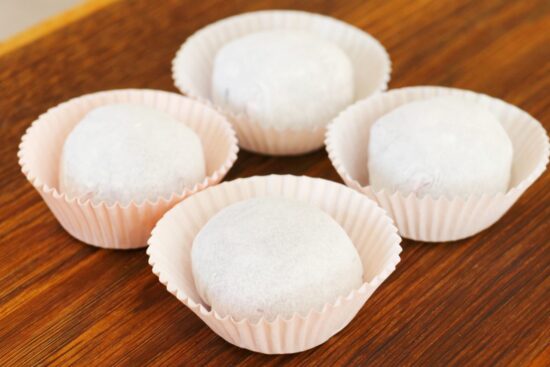
Purple Sweet Potato Mochi with Rice Paper
Purple Sweet Potato Mochi is soft, chewy, and naturally stunning with its vibrant purple color. And here’s the hack—we’re not making the mochi skin …
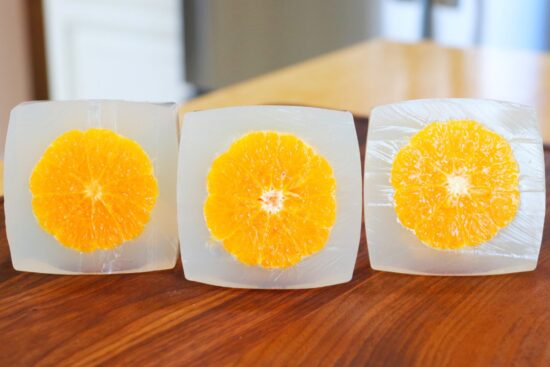
3-Ingredient Mandarin Orange Agar-Agar Jelly Recipe
Have you tried my Mandarin Orange Agar-Agar Jelly yet? It’s light, refreshing, and made with just three simple ingredients: coconut water, agar-agar powder, and …
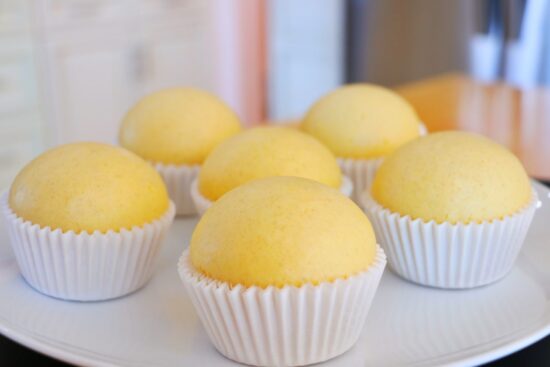
12-Min Chinese Steamed Cupcake Recipe
Chinese Steamed Cupcakes are a delightful twist on traditional cupcakes—light, fluffy, and incredibly moist. Unlike baked cupcakes that take around 20 to 24 minutes, …
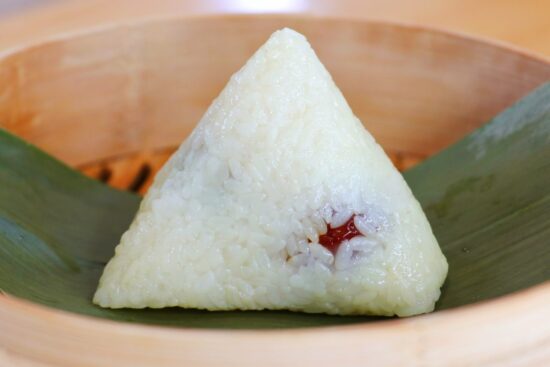
Red Date Zongzi Recipe (Sticky Rice Dumpling)
Red Date Zongzi (Sticky Rice Dumpling) is a traditional delicacy enjoyed during the Dragon Boat Festival and a cherished dish in Northern China. Made …
Steamed White Sugar Cake Recipe
Steamed White Sugar Cake (Bai Tang Gao) is a traditional Cantonese rice cake with a delicate sweetness and a uniquely soft, springy texture. Made with …
Thanks very much i love it and will try it
Hi Joséphine,
Thank you for your support! 🙂
I love it, and thank you Cici Li
Hi Jovita,
Thank you for your support! 🙂
Super YUMMY!!! Tastes the same if not better as that of Tim Ho Wan’s
Thanks so much, Jow! I”m so glad that you enjoyed this recipe! 😀
Big thanks Ci Ci. I just made this cake using your recipe. Mine did not turn out as beautiful as yours as I did not have an 8″ round tray. But it was easy and yummy with a Q texture. Sweetness was just right too. Will be making many more of this. Thanks again
Hi Jesong,
Thank you for stopping by my website! I’m so glad that you enjoyed this this recipe. I hope to see you around, and happy cooking! 🙂
Could I reduce the amount of sugar or would it affect the final result significantly? Thanks
Hi Sam,
You could reduce the sugar. That’s totally fine. Happy cooking! 🙂
Instead of evaporated milk, does regular milk work?
Hi Susie, yes — you can replace it with regular milk. Happy cooking! 🙂
Hi, I do not have an oven. How long will it it take to ferment the batter if you do not have this option?
Hi Kristine, thanks for the question! You can absolutely make this without an oven. If you’re fermenting at room temperature, it usually takes about 1.5 to 2 hours, depending on how warm your kitchen is. You’re just looking for the batter to become a little bubbly and slightly risen. If your kitchen is on the cooler side, it may take a bit longer—just give it more time.
A little trick: you can place the bowl near a warm spot (like next to your steamer while the water is heating, or in a turned-off pot that’s slightly warm) to help speed things up. Enjoy!