
No products in the cart.
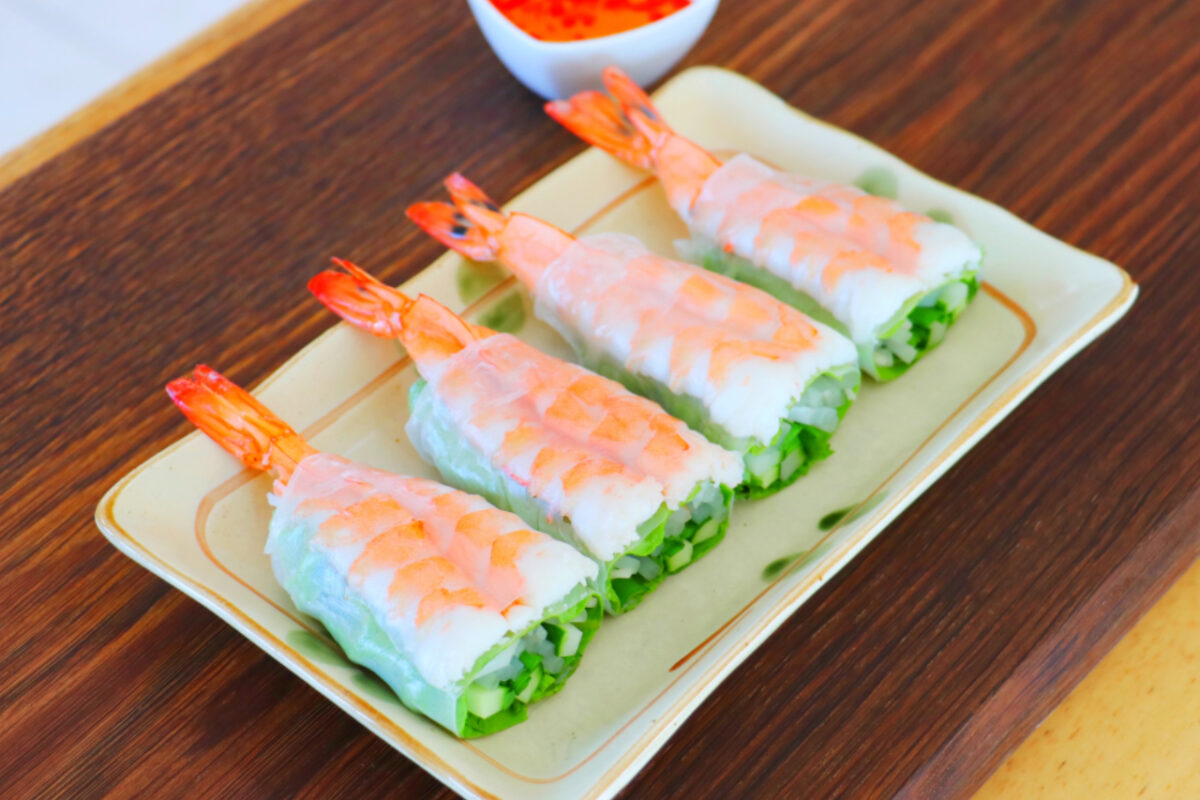
Shrimp Spring Rolls (Summer Rolls)
Shrimp Spring Rolls, also known as Summer Rolls, are fresh, light, and packed with vibrant flavors—soft rice paper wrapped around crisp vegetables, fragrant herbs, and tender shrimp. But in this version, we’re taking it one step further with a simple twist inspired by shrimp nigiri sushi.
If you’ve ever struggled with rice paper tearing, sticking, or not looking quite right, you’re not alone. These rolls may look delicate, but once you understand how to handle the shrimp and rice paper properly, they come together beautifully.
The little trick here is how we prepare the shrimp—keeping them straight, then butterflying them so they sit neatly against the wrapper. This gives you that clean, elegant look, where the shrimp shows through just like sushi.
In this recipe, I’ll walk you through how to cook the shrimp, roll the rice paper without tearing, and build fresh spring rolls that are not only delicious but also really beautiful on the plate.
What Makes This a Sushi Twist?
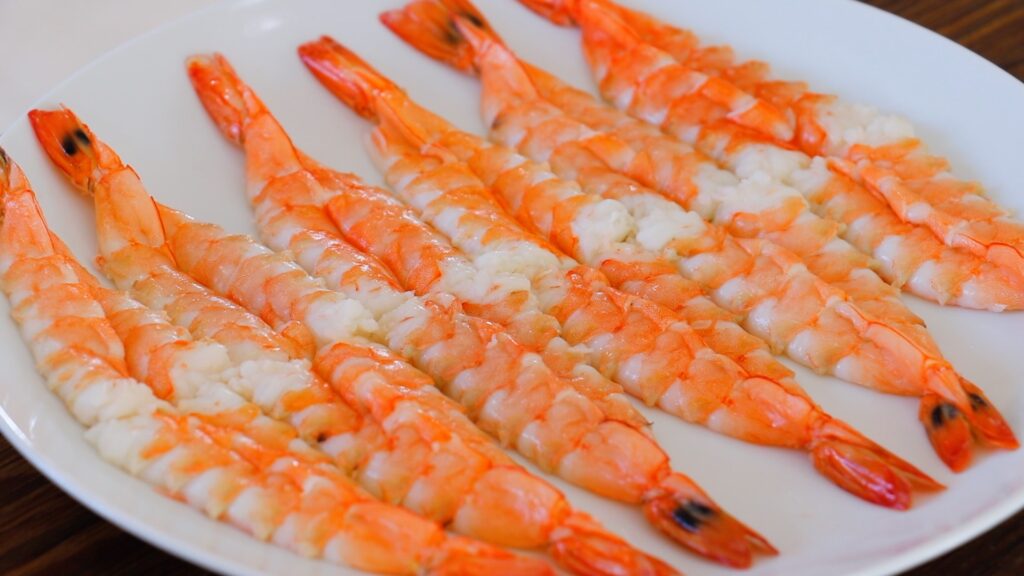
This is my favorite part.
Instead of just halving the shrimp, we butterfly it so it lies flatter and a little wider.
As you roll, the shrimp shows through the rice paper—clean, even, and really nice to look at.
It’s a small change, but it gives the rolls a more polished feel, almost like that clean presentation you see in shrimp nigiri.
How to Butterfly Shrimp for Spring Rolls?
Butterflying the shrimp helps them lay flat and look neat inside the roll.
- Cut along the belly side of the shrimp
- Slice carefully without cutting all the way through
- Gently open and flatten
This keeps the shrimp intact while giving you that wider, more polished look.
Why Skewer the Shrimp?
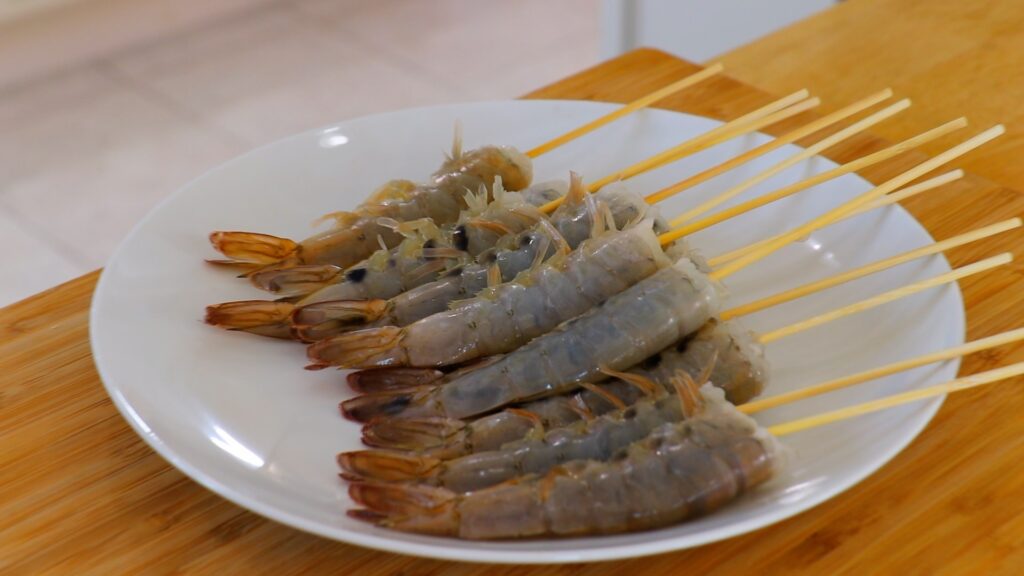
This is a simple technique that makes a big difference.
By inserting a skewer through the shrimp before cooking:
- The shrimp stays straight instead of curling
- It’s easier to butterfly afterward
- The final rolls look cleaner and more uniform
It only takes a few extra minutes, but it really improves the presentation.
Don’t Want to Butterfly the Shrimp?
No worries at all—you can skip this step.
The butterfly technique is mainly for presentation. If you prefer a more traditional version, you can leave the shrimp whole and place them inside the roll.
For a classic Vietnamese-style version, click here for my traditional Vietnamese summer rolls recipe.
How to Roll Rice Paper Without Tearing?
Rice paper can feel tricky at first, but once you get the feel for it, it’s very easy.
- Dip the rice paper in water for 1–2 seconds only
- It will continue softening as you work
- Don’t overfill
- Roll gently but with control
If it feels slightly firm at first—that’s actually perfect. It will soften as you assemble.
Common Mistakes to Avoid
Soaking too long:
Over-soaked rice paper becomes too soft and tears easily.
Overfilling the rolls:
Too much filling makes rolling difficult and can cause splitting.
Overcooking the shrimp:
Shrimp cook very quickly—just 2 minutes is enough.
Not cooling the shrimp:
Warm shrimp can soften the rice paper too much while rolling.
How to Serve & Store?
These are best enjoyed fresh, right after rolling.
If you need to prepare ahead:
- Cover with a slightly damp towel to prevent drying
- Keep them in a single layer (don’t stack directly)
Avoid refrigerating for too long, as the rice paper can harden.
Let’s Talk Ingredients
Shrimp
This is the highlight of the dish. Using whole shrimp and butterflying them gives you that clean, elegant look where the shrimp shows through the rice paper. It also gives a nice, firm bite that pairs beautifully with the fresh vegetables.
Rice paper
This is what holds everything together. It may feel stiff at first, but once dipped briefly in water, it softens into a flexible wrapper. The key is not to over-soak—it continues to soften as you assemble.
Lettuce
Adds structure and a light crunch. It also helps create a barrier so the sharper ingredients don’t tear the rice paper.
Bean sprouts
Fresh and crisp, they bring a refreshing bite and a bit of juiciness to the rolls.
Garlic chives
These add a mild, garlicky flavor that really makes the rolls taste like classic Vietnamese spring rolls.
Cucumber
Light, crisp, and hydrating—it balances the richer shrimp and adds texture.
Mint & cilantro
These herbs are what give the rolls their fresh, bright flavor. They’re essential—don’t skip them.
Dipping sauce (fish sauce, lime juice, sugar, garlic, chili)
This ties everything together. It’s salty, tangy, slightly sweet, and a little spicy—the perfect balance to dip each bite.
Simple, fresh ingredients—but it’s how you prepare and layer them that makes everything come together.
Step-by-Step: Let’s Cook
Makes: 12 pieces (6 rolls, halved)
Prep time: 35 minutes
Cook time: 5 minutes
Step 1: Prepare the shrimp
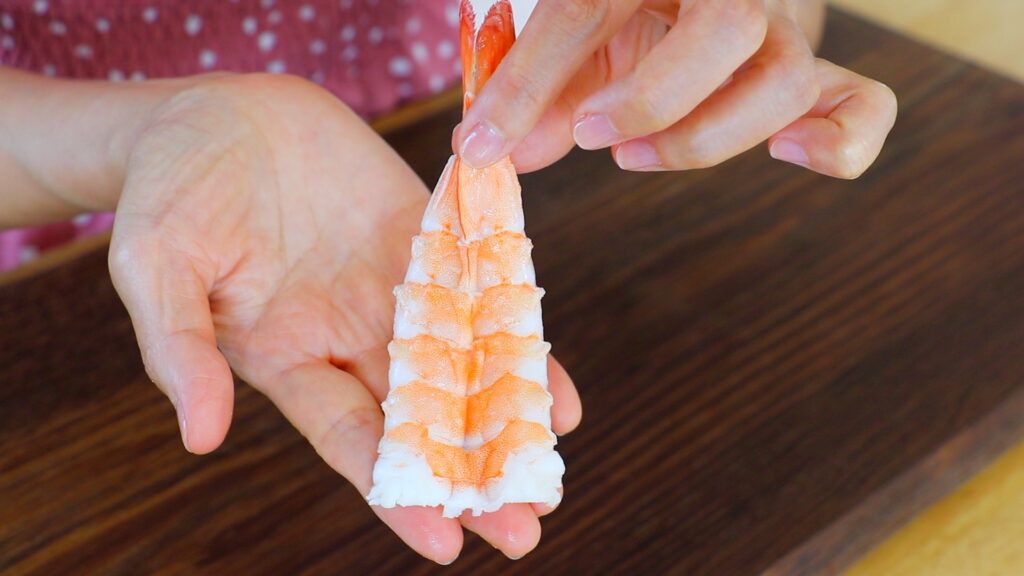
Insert a soaked skewer into each shrimp from the head side to the tail to keep them straight while cooking. In a pot over high heat, bring water to a boil and cook the shrimp for about 2 minutes, until just cooked through.
Transfer to cold water to stop the cooking, then peel and remove the skewers. Butterfly the shrimp from the belly side, being careful not to cut all the way through.
Tip: Keeping the shrimp straight makes them much easier to butterfly and gives your rolls a clean, polished look.
Step 2: Make the dipping sauce
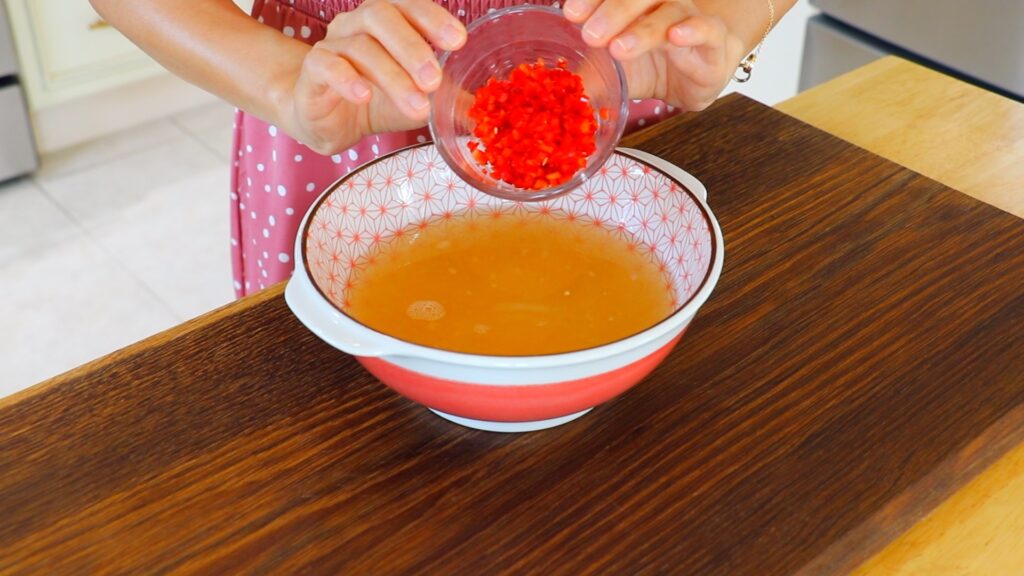
In a bowl, combine the hot water, sugar, fish sauce, lime juice, garlic, and chili. Stir until the sugar is fully dissolved.
Tip: Taste and adjust—add more lime for brightness or more sugar to balance the saltiness.
Step 3: Soften the rice paper
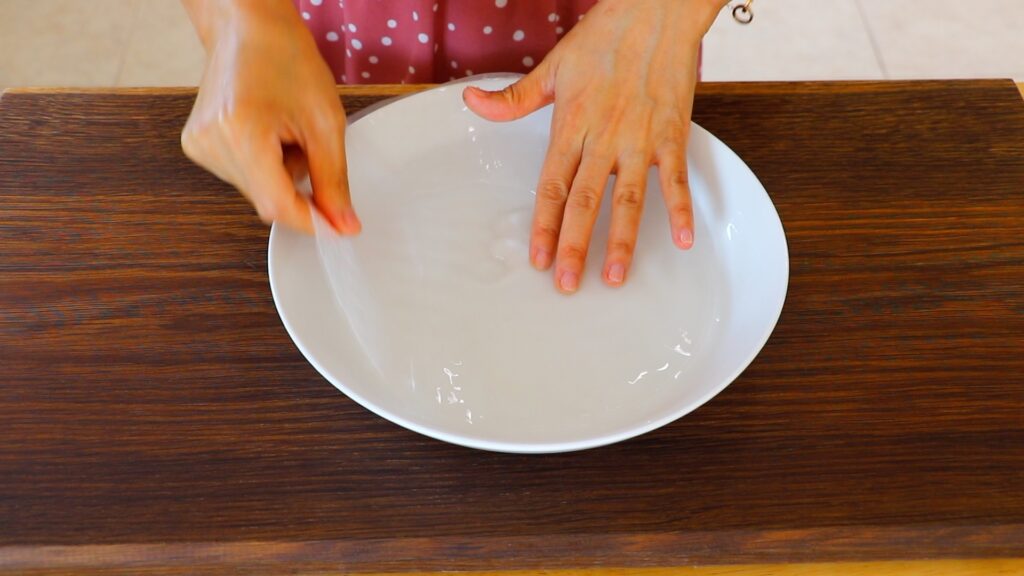
Prepare a plate of water. Dip each sheet of rice paper for about 1–2 seconds, then lay it flat on your work surface.
Tip: It may still feel slightly firm—that’s perfect. It will continue to soften as you build the roll.
Step 4: Assemble the spring rolls
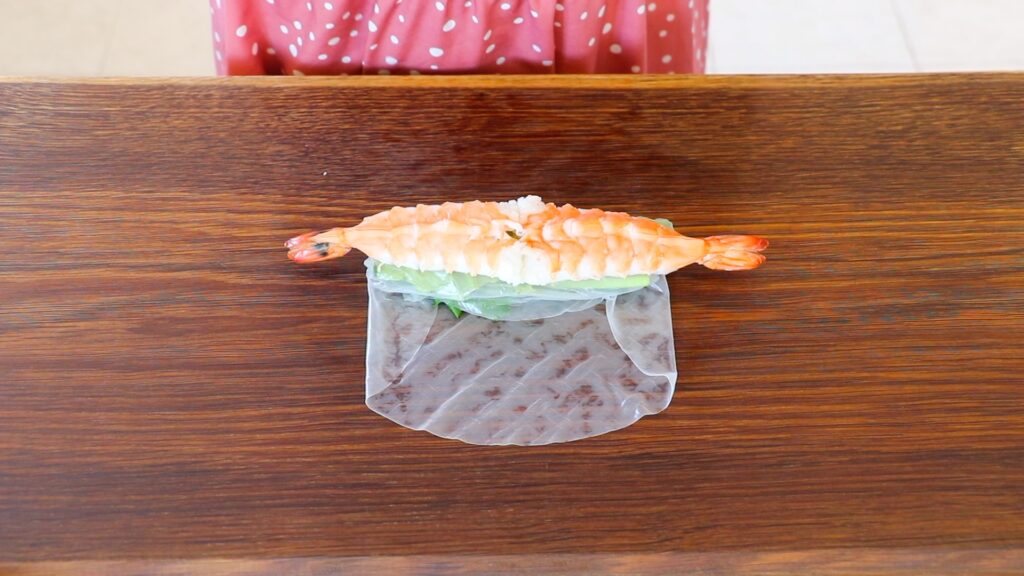
Place lettuce, bean sprouts, garlic chives, cucumber, mint, and cilantro onto the rice paper. Fold the sides inward and roll halfway up.
Lay two butterflied shrimp on top with the cut side facing down and tails pointing outward, then continue rolling tightly to seal.
Tip: Don’t overfill—keeping it balanced makes rolling easier and helps prevent tearing.
Step 5: Serve
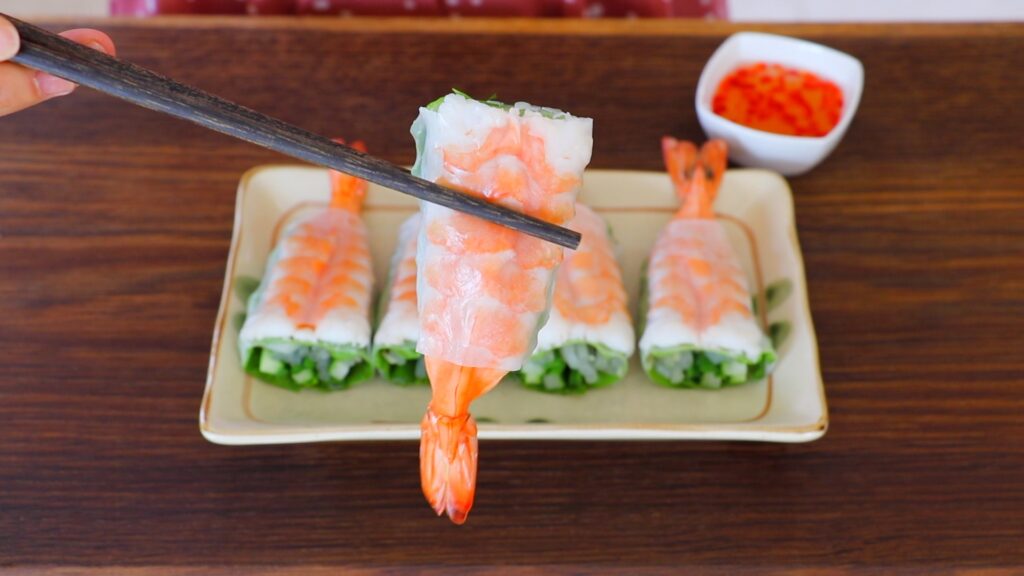
Cut each roll in half and serve with the dipping sauce.
Tip: These are best enjoyed fresh, when the rice paper is soft, and the herbs are vibrant.
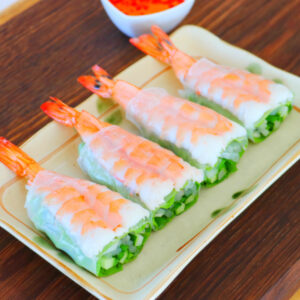
Shrimp Spring Rolls (Summer Rolls)
Shrimp Spring Rolls are fresh, vibrant rice paper rolls filled with crisp vegetables, herbs, and tender shrimp, finished with a light, tangy dipping sauce.
Ingredients
For the spring rolls
- 12 large shrimp, 26–30 count, unpeeled
- 6 sheets rice paper
- ½ head lettuce
- 1 ½ cups bean sprouts
- 1 handful garlic chives
- 1 medium cucumber, cut into strips
- ½ cup mint leaves
- ½ cup cilantro
For the dipping sauce
- 1 cup hot water
- 5 tablespoons sugar
- 5 tablespoons fish sauce
- 5 tablespoons lime juice
- 3 cloves garlic, minced
- 2 red finger hot peppers, minced
Instructions
- To prepare the shrimp, insert a soaked skewer into each shrimp from the head side to the tail to keep them straight, then in a pot over high heat, bring water to a boil and cook the shrimp for about 2 minutes until just cooked through, transfer to cold water to stop the cooking, peel, remove the skewers, and butterfly from the belly side without cutting all the way through.
- To make the dipping sauce, in a bowl, combine the hot water, sugar, fish sauce, lime juice, garlic, and chili, then stir until the sugar is fully dissolved.
- To soften the rice paper, in a plate of water, dip each sheet for 1–2 seconds, then lay flat on your work surface, allowing it to soften as you assemble.
- To assemble the spring rolls, place lettuce, bean sprouts, garlic chives, cucumber, mint, and cilantro onto the rice paper, fold the sides inward and roll halfway, then place two butterflied shrimp cut-side down with the tails facing outward so they show through the wrapper, and continue rolling to seal.
- To serve, cut each roll in half and serve with the dipping sauce.
Video
Notes
- Keep the shrimp straight: Skewering prevents curling and gives you a cleaner, more polished presentation.
- Don’t overcook the shrimp: Cook just until done—about 2 minutes—so they stay tender and not rubbery.
- Soak rice paper briefly: Only 1–2 seconds is enough; it will continue softening as you work.
- Don’t overfill: Keeping the filling balanced makes rolling easier and prevents tearing.
- Serve fresh: These are best enjoyed right after rolling, while the herbs are vibrant and the texture is soft.
- Protein swap: You can substitute with cooked chicken, tofu, or keep it fully vegetarian with just vegetables and herbs.
This looks complicated. Not sure I’m up to trying this yet. I’ll keep this recipe until I can be successful at the other recipes I have from you. Thanks.
Hi Deborah, please take your time — there’s no rush. I’m sure you’ll be able to try this recipe successfully when you’re ready, and I can’t wait to hear how it goes! Happy cooking!