Rating: 0.00
(0)

Dried Shrimp Cheung Fun Recipe

By CiCi Li
September 6, 2024

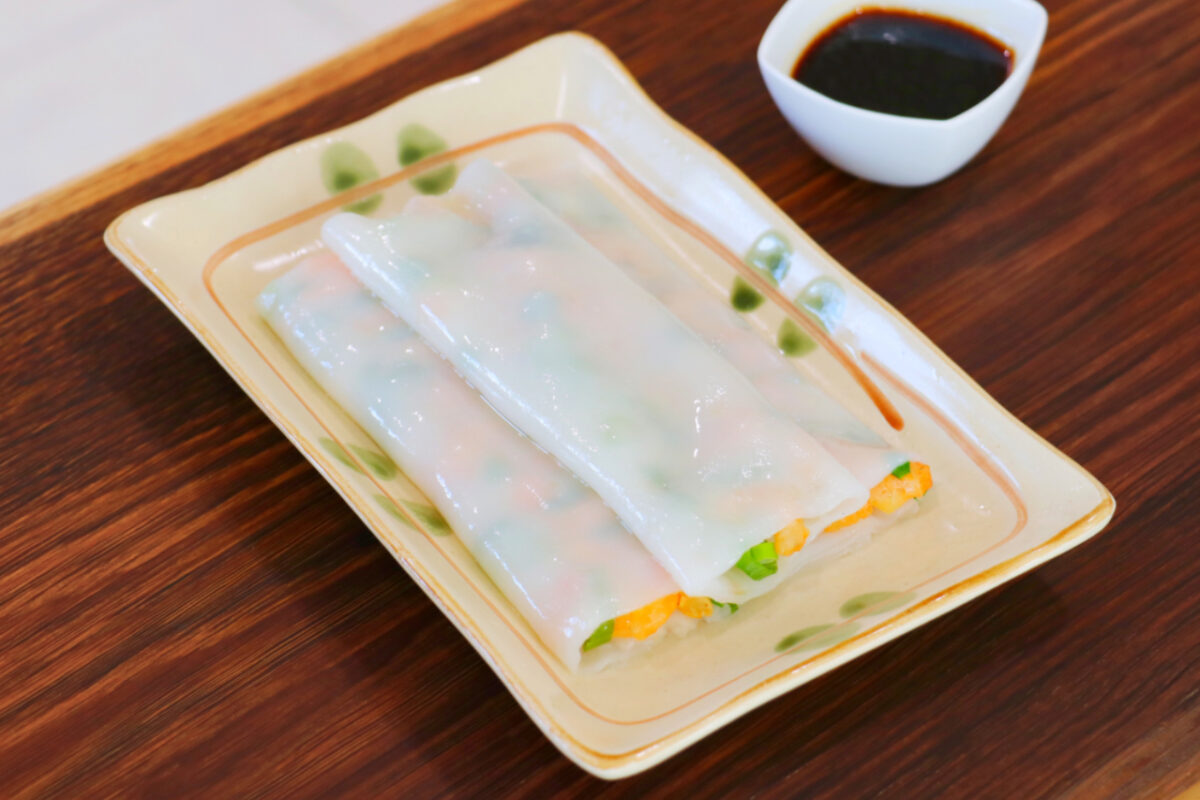
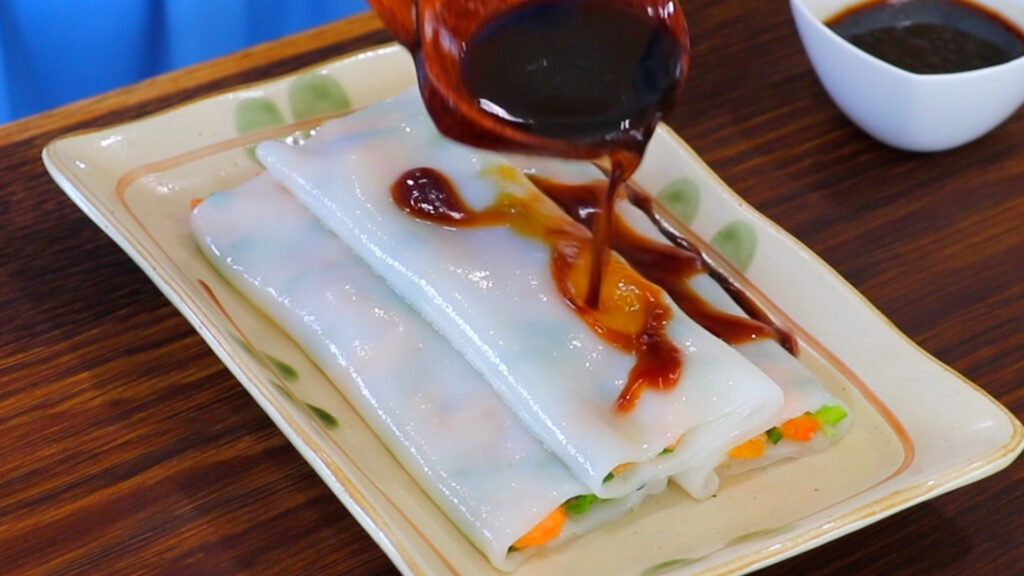
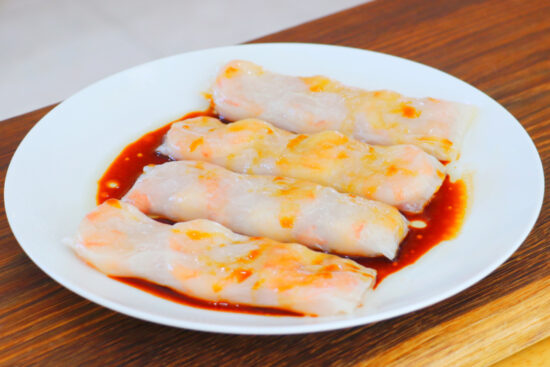
Dried Shrimp Cheung Fun is a classic Cantonese dim sum dish made with thin, silky rice noodle rolls wrapped around a savory filling and finished with a light, sweet soy sauce. The texture is soft, smooth, slightly bouncy, and almost slippery in the best way—exactly what makes this dish so satisfying.
I’ve tried many times to make cheung fun at home, adjusting the ratios, testing different flours, and working on the texture. This is the perfect batter I want to share with you—it gives you that smooth, delicate finish with just the right amount of elasticity.

The technique isn’t complicated, but the details matter. Once you understand how the batter works and how to steam it properly, you can recreate that dim sum texture right in your own kitchen.

What Is Dried Shrimp Cheung Fun?

Cheung fun, or Cantonese rice noodle rolls, is a traditional dim sum dish made from a thin rice flour batter that’s steamed into delicate sheets, then rolled with different fillings.

You’ll usually see a few classic versions at dim sum:

  • Shrimp cheung fun
  • Beef cheung fun
  • BBQ pork cheung fun
  • And this one—dried shrimp cheung fun

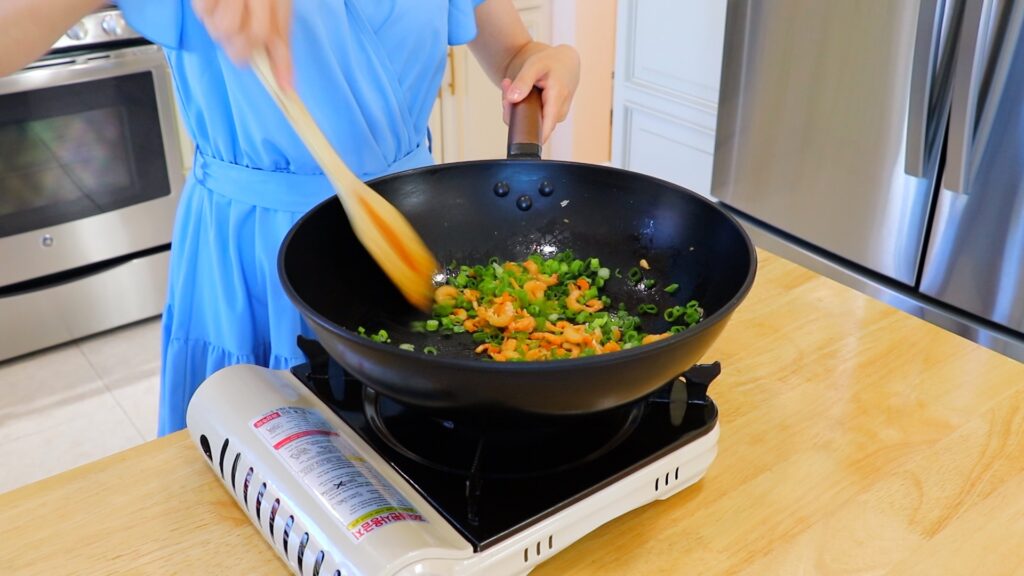
Dried shrimp might sound simple, but it adds a deep, concentrated umami flavor. When you stir-fry it lightly with scallions, it becomes incredibly fragrant and slightly chewy, which pairs beautifully with the soft, silky rice rolls.

What makes cheung fun special isn’t just the filling—it’s the texture. The noodle sheets should be:

  • Smooth
  • Slightly elastic
  • Thin and delicate
  • Almost slippery when you bite into them

That texture is what we’re really chasing.

How to Make the Batter for Cheung Fun?

The batter is what determines the final texture, so getting the consistency right is key.

In a bowl, combine the rice flour, tapioca starch, wheat starch, water, and a little cooking oil. Whisk until completely smooth, making sure there are no lumps. The batter should be thin and pourable—similar to light cream.

Before each use, give the batter a quick stir. The starch settles quickly at the bottom, and skipping this step can lead to uneven texture from one roll to the next.

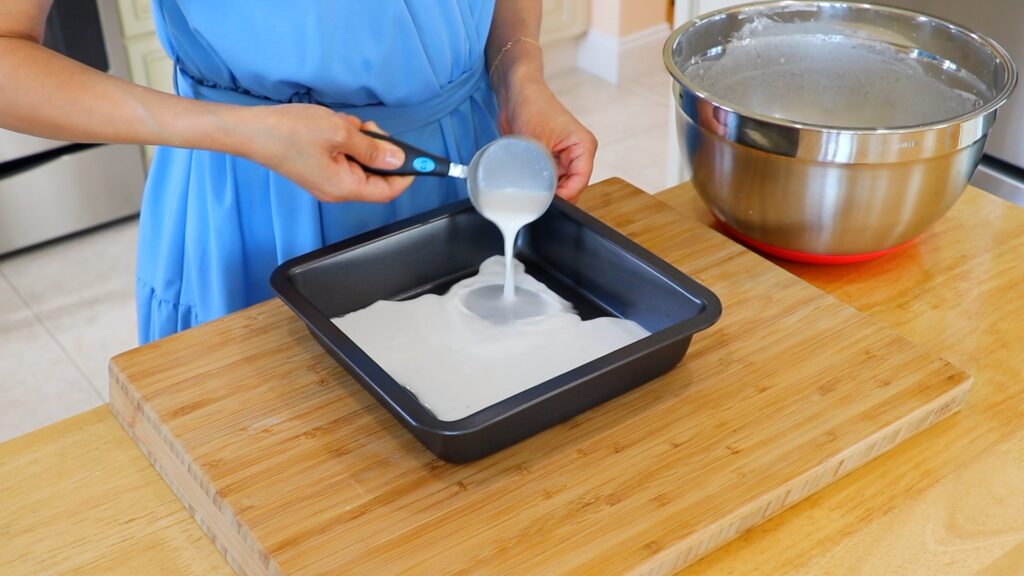
When pouring, use just enough batter to lightly coat the bottom of your tray. A thin layer is what creates that soft, silky sheet—too much will make the rolls thick and heavy.

Why Your Cheung Fun Isn’t Turning Out Right?

This is where most people get frustrated—but once you understand these, it becomes much easier.

1. The rolls are too thick

This usually comes from pouring too much batter.

Cheung fun should be thin and delicate. If the layer is too thick, it turns heavy and slightly gummy instead of soft and silky.

2. The texture is uneven or lumpy

This often happens when the batter isn’t stirred before pouring.

Since the starch settles, the ratio changes with each pour—so one roll might be soft, and the next one feels dense.

3. The surface isn’t smooth

This is usually a heat issue.

If the steamer isn’t hot enough, the batter won’t cook evenly, and you’ll get a slightly rough or bubbly surface instead of that smooth finish.

Always steam over high heat so the batter sets quickly.

4. The sheet tears when rolling

This can happen if:

  • The sheet is too thin in some spots
  • It hasn’t cooled slightly before handling
  • Or there’s not enough oil on the surface

Let it rest for about a minute after steaming—it will firm up slightly and become easier to work with.

5. It sticks to the tray

A light layer of oil makes all the difference.

Without it, the sheet can stick and tear when you try to lift it.

The Key to Perfect Cheung Fun

If I had to sum it up, it’s this:

  • Thin batter
  • Always stir before pouring
  • High heat steaming
  • Light oiling
  • Gentle handling

Once you get these right, you’ll start to see that smooth, glossy surface—and that soft, bouncy texture that makes cheung fun so special.

And honestly, once you make it yourself, it’s hard to go back.

Let’s Talk Ingredients

When it comes to cheung fun, the ingredients are simple—but the balance between them is what gives you that signature silky, slightly bouncy texture.

Rice flour is the base of the batter. It gives the noodle sheets their structure and that soft, tender bite. Without it, you won’t get that classic cheung fun texture.

Tapioca starch is what adds elasticity. This is what makes the rolls slightly chewy and stretchy instead of breaking apart. A little goes a long way here.

Wheat starch helps create a smoother, more delicate finish. It lightens the texture and gives the surface that soft, almost glossy look you see in dim sum restaurants.

Water controls the consistency. The batter should be thin and pourable—this is what allows it to spread into a very fine layer when steamed.

Cooking oil is used in two ways. A small amount goes into the batter to keep it smooth, and a thin layer is brushed onto the tray to prevent sticking and help release the sheet cleanly.

For the filling, dried shrimp is small but powerful. Once soaked and lightly stir-fried, it brings a deep, savory umami flavor that pairs beautifully with the mild rice rolls.

And finally, the sauce—soy sauce, sugar, oyster sauce, and sesame oil—adds that light, slightly sweet, and savory finish that ties everything together.

Step-by-Step: Let’s Cook

Makes: 9 pieces
Prep time: 15 minutes (+ 1 hour soaking time)
Cook time: 30 minutes

Step 1: Prepare the filling

In a pan over medium-low heat, add the cooking oil and the soaked dried shrimp. Stir-fry for about 1 minute until fragrant, then add the scallions and mix well. Turn off the heat and set aside.

Tip: Stir-frying the dried shrimp first brings out its aroma and deepens the flavor—it makes a big difference in the final dish.

Step 2: Make the sauce

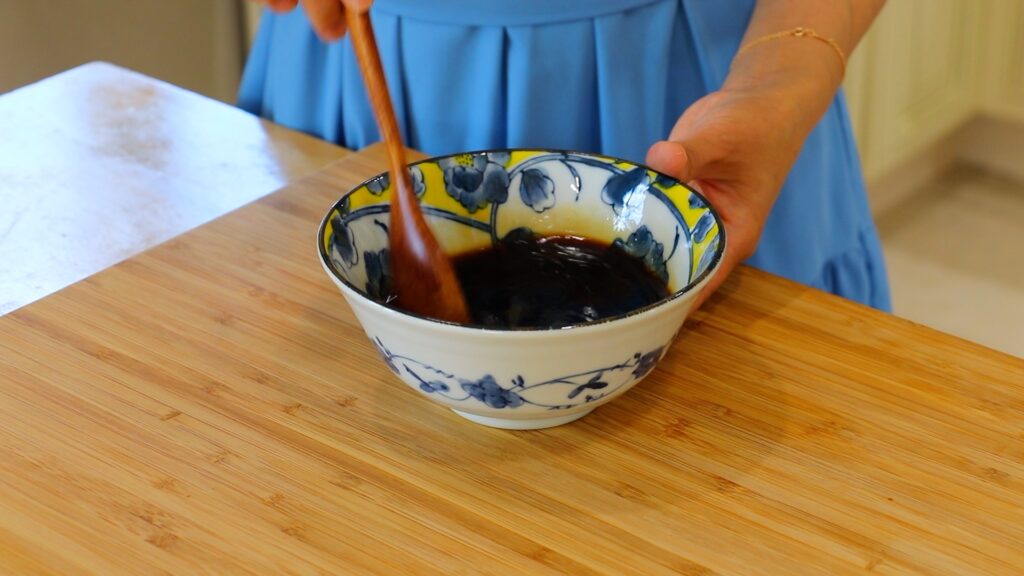
In a bowl, mix the hot water and sugar until the sugar is fully dissolved. Add the soy sauce, dark soy sauce, oyster sauce, and sesame oil, then stir to combine. Set aside.

Tip: Dissolving the sugar first ensures the sauce is smooth and evenly balanced.

Step 3: Prepare the batter and tray

In a bowl, whisk the rice flour, tapioca starch, wheat starch, water, and cooking oil mixture until smooth.

Then brush a thin layer of cooking oil onto your steaming tray.

Before each pour, stir the batter again to keep it evenly mixed.

Tip: The starch settles quickly, so this quick stir helps keep every sheet consistent.

Step 4: Steam the cheung fun

In a steamer over high heat, bring the water to a full boil.

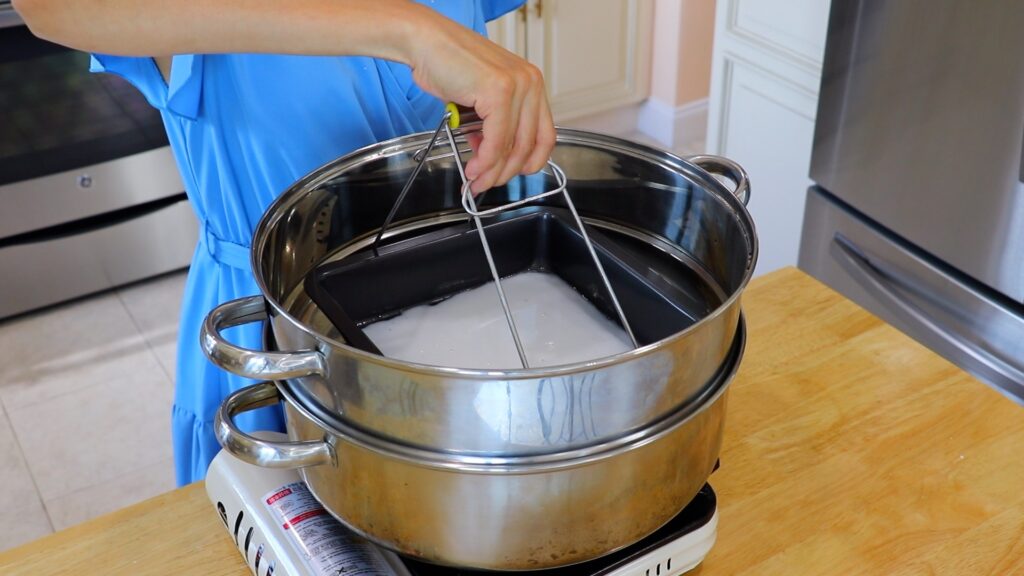
Pour a thin layer of batter into the oiled tray, just enough to coat the bottom. Gently tilt the tray if needed to spread it evenly, then place it into the steamer, cover, and steam for about 3 minutes.

The sheet is ready when it turns slightly translucent.

Carefully remove the tray and let it rest for about 1 minute before handling.

Tip: High heat helps the batter set quickly for a smooth surface, and that short resting time allows the sheet to firm up slightly so it won’t tear when you lift it.

Step 5: Fill and roll

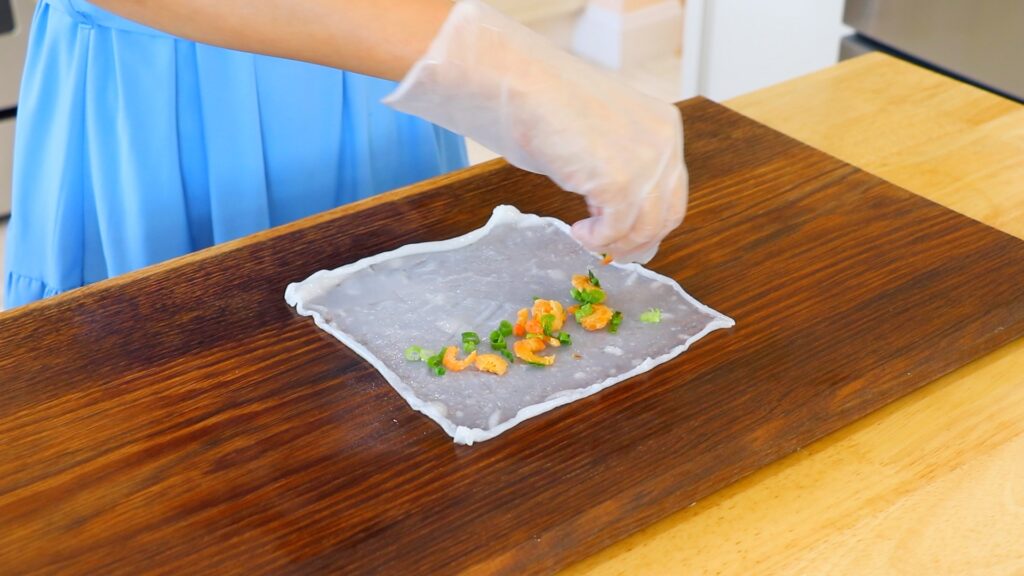
Lightly oil a clean work surface. Use a scraper to loosen the edges, then gently lift the sheet out and place it smooth side down.

Add the filling across the center, then roll it up gently. Trim the ends for a clean finish.

Tip: Work gently—the sheets are delicate, and a light touch keeps them intact.

Step 6: Repeat and serve

Repeat with the remaining batter and filling. Serve warm with the prepared sauce drizzled over the top.

Tip: Cheung fun is best enjoyed fresh, when the texture is soft and silky.

Dried Shrimp Cheung Fun

Dried Shrimp Cheung Fun Recipe

No ratings yet
Dried Shrimp Cheung Fun is a classic Cantonese dim sum dish featuring silky steamed rice noodle rolls filled with savory dried shrimp and finished with a light soy sauce.
Servings 9 pieces
Prep Time 15 minutes
Cook Time 30 minutes
Soak time 1 hour

Ingredients
  

For the filling

  • 1 tablespoon cooking oil
  • 6 tablespoons dried shrimp, soaked for 1 hour
  • 3 stalks scallions, minced

For the cheung fun batter

  • 4 tablespoons wheat starch, (40 g)
  • 4 tablespoons tapioca starch, (31 g)
  • 1 cup rice flour, (135 g)
  • 3 cups water, (710 ml)
  • 1 teaspoon cooking oil
  • 2 tablespoons cooking oil, divided (for brushing)

For the sauce

Instructions
 

  • To prepare the filling, in a pan over medium-low heat, add the cooking oil and stir-fry the dried shrimp for about 1 minute until fragrant, then add the scallions and mix well.
  • To make the sauce, in a bowl, mix the hot water and sugar until dissolved, then add the soy sauce, dark soy sauce, oyster sauce, and sesame oil and stir to combine.
  • To prepare the batter and tray, in a bowl, whisk the wheat starch, tapioca starch, rice flour, water, and cooking oil until smooth, then brush a thin layer of cooking oil onto a heat-resistant tray, stirring the batter again before each use.
  • To steam the cheung fun, in a steamer over high heat, bring the water to a boil, pour a thin layer of batter into the tray to coat the bottom, place it into the steamer, cover, and steam for about 3 minutes until slightly translucent, then remove and let rest for 1 minute.
  • To fill and roll, on a lightly oiled surface, loosen the edges of the sheet, place it smooth side down, add the filling across the center, and gently roll it up.
  • To repeat and serve, continue with the remaining batter and filling, then serve warm with the prepared sauce drizzled over the top.

Video

Notes

Stir-fry the dried shrimp first: This brings out the aroma and deepens the umami flavor, so the filling tastes rich even though it’s simple.
Stir the batter every time: The starch settles quickly at the bottom, so giving it a quick stir before each pour keeps every sheet soft and consistent.
Keep the batter thin: A light, even layer is what gives you that silky texture—too much batter will make the rolls thick and heavy.
Use high heat to steam: A strong, steady boil helps the batter set quickly and creates a smooth, glossy surface.
Let the sheet rest briefly: Allowing it to cool for about a minute helps it firm up slightly, making it easier to lift and roll without tearing.
Oil lightly before handling: A thin layer of oil on the tray and work surface prevents sticking and keeps the sheets intact.
Best enjoyed fresh: Cheung fun is at its best when it’s warm, soft, and silky right after steaming.
Protein swap: You can use shrimp, beef, BBQ pork, or even just scallions—adjust cooking time and seasoning as needed.
Author: CiCi Li
Course: Appetizer, Breakfast, Snack
Cuisine: Chinese

Leave a Reply

Your email address will not be published. Required fields are marked *

Recipe Rating


Like 1
Close
Copyright © 2026 CiCi Li. All rights reserved.
Web Design CODEC Prime
Close