
No products in the cart.
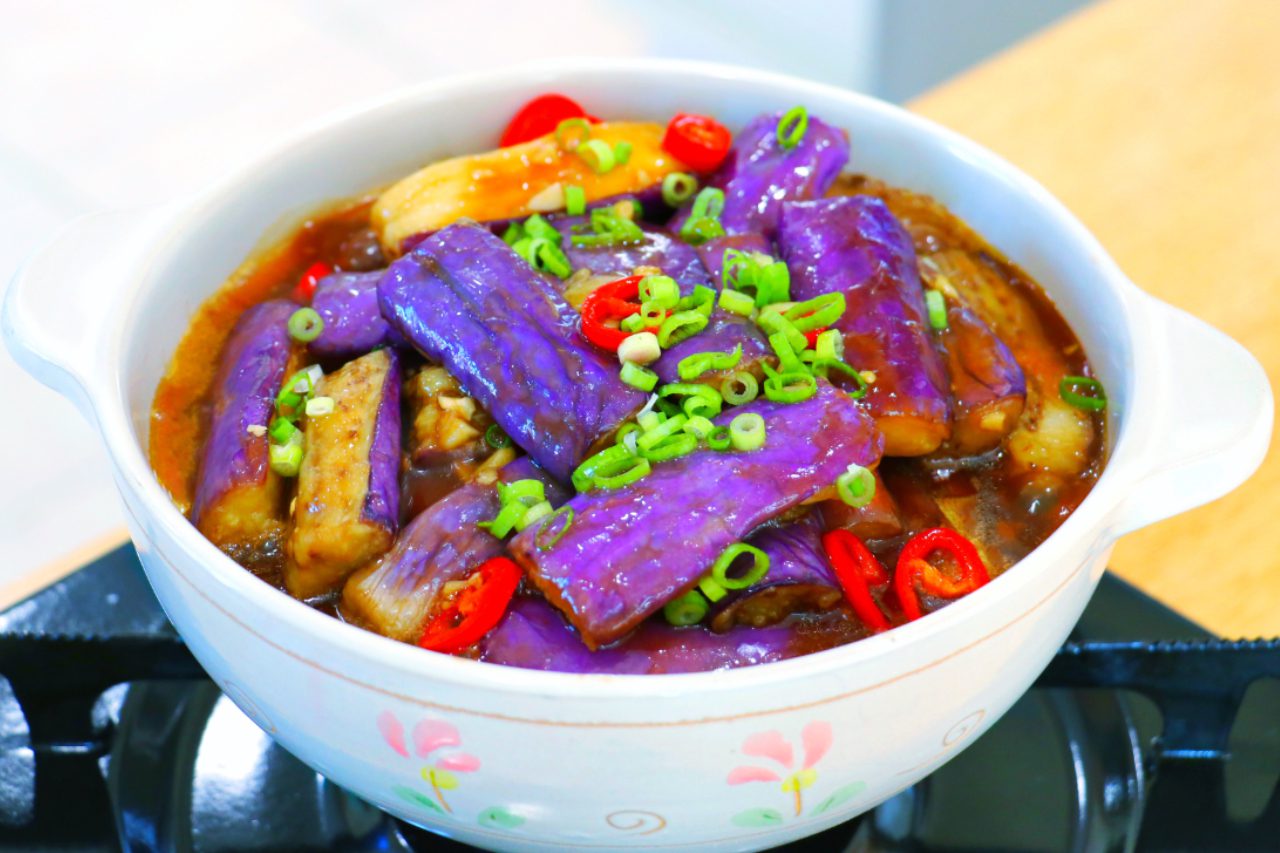
Red Braised Eggplant is a comforting home-style dish known for its silky texture and rich, savory sauce. Tender Chinese eggplants are lightly fried, then braised with garlic, soy sauce, and aromatics until they absorb a glossy, umami-packed sauce that pairs perfectly with steamed rice.
If you’ve ever cooked eggplant and ended up with pieces that looked dull or greasy, you’re not alone. Eggplant is delicious, but requires a few simple techniques to cook well.
The key is preparing the eggplant properly before it ever hits the wok. Small steps like soaking, coating, and cooking at the right temperature help control color, texture, and oil absorption.
In this guide, you’ll learn how to make red braised eggplant along with the essential techniques that keep eggplants vibrant, tender, and beautifully coated in sauce.
What Is Red Braised Eggplant?
Red Braised Eggplant is a classic Chinese dish where eggplants are cooked in a savory soy-based sauce until tender and flavorful. The term “red braising” refers to a traditional Chinese cooking method that uses soy sauce and sugar to create a deep reddish-brown sauce with rich umami flavor.
During braising, the eggplants absorb the sauce while softening into a silky texture. Garlic, scallions, and fresh chilies are often added to bring aromatic depth and balance to the dish.
This dish is popular in Chinese home cooking because it transforms simple ingredients into something deeply satisfying. Served with steamed rice, it becomes a comforting and flavorful meal.
Why Eggplants Turn Brown When Cooking?
Eggplants can darken after they are cut due to a natural process called oxidation. When the flesh is exposed to air, enzymes react with oxygen and cause the surface to turn brown.
Heat can also affect the color of the eggplant skin. The natural pigments that give eggplants their vibrant purple color are sensitive to temperature and cooking conditions, which can cause the color to fade during cooking.
While this change in color doesn’t affect the taste, it can make the dish look less vibrant.
How to Keep Eggplants Purple?
To help maintain the eggplants’ bright purple color, soaking them briefly in salted water with a small amount of vinegar is very effective.
The salt helps draw out excess moisture from the eggplants, while the vinegar creates a slightly acidic environment that protects the natural pigments in the skin. This slows down oxidation and helps the eggplants retain their color during cooking.
Soaking, rinsing, and coating the eggplants before frying helps them cook evenly while maintaining their shape and appearance.
Why Eggplants Absorb Oil (And How to Fix It)
Eggplants have a porous structure with tiny air pockets inside their flesh. When raw eggplants are placed in hot oil, these air pockets release moisture and quickly fill with oil, causing the eggplant to absorb a large amount of fat.
Several preparation techniques help reduce this effect. Soaking the eggplants in salted water helps remove excess moisture and slightly firm the flesh. A light coating of cornstarch creates a thin barrier that prevents oil from penetrating deeply into the eggplant.
Maintaining the correct frying temperature also helps the surface cook quickly, sealing the eggplant so it becomes tender and silky rather than greasy.
Let’s Talk Ingredients
Chinese Eggplants
Chinese eggplants are long and slender with thin skin and fewer seeds than large globe eggplants. Their delicate texture allows them to cook quickly and absorb sauce beautifully without becoming mushy.
Cornstarch
A light coating of cornstarch helps protect the eggplants during frying. It also helps the sauce cling to the eggplants later, creating that glossy finish.
Garlic and Hot Pepper
Garlic brings aroma and depth, while a thinly sliced hot pepper adds a gentle layer of heat that balances the savory sauce.
Soy Sauce and Dark Soy Sauce
Soy sauce provides saltiness and umami, while dark soy sauce deepens the color and adds a subtle caramel-like richness.
Oyster Sauce and Sugar
Oyster sauce adds savory complexity, and a small amount of sugar rounds out the sauce and balances the saltiness.
Cooking Oil
A neutral high-smoking-point cooking oil, such as avocado, peanut, or grapeseed oil, works best for frying and stir-frying because it can withstand high heat without burning.
Step-by-Step: Let’s Cook
1. Prepare the eggplants
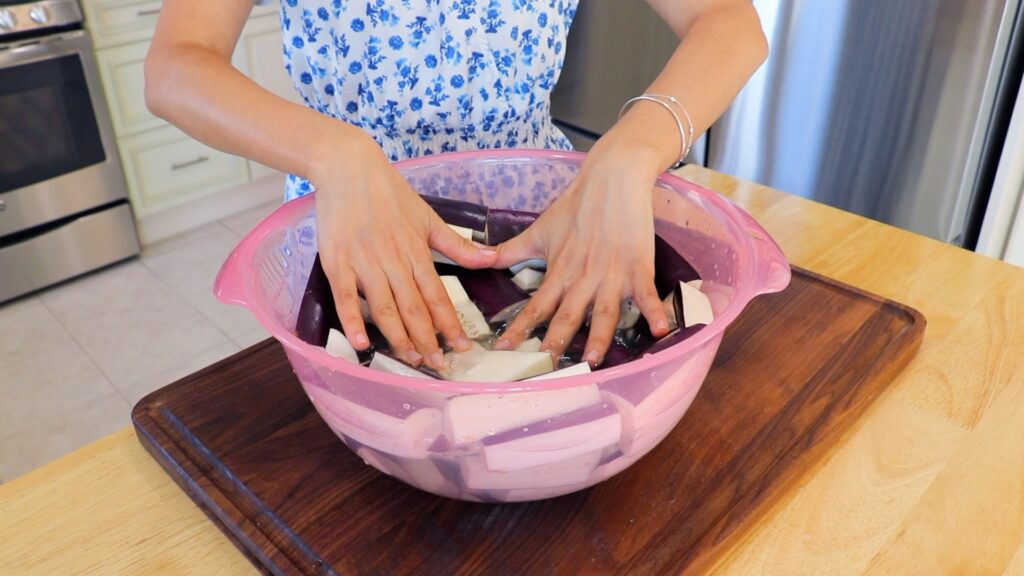
In a large bowl, dissolve the salt and rice vinegar in water. Add the eggplants and place a plate on top to keep them submerged. Soak for about 10 minutes.
Drain, rinse, and gently squeeze out excess moisture. Toss the eggplants with cornstarch until evenly coated.
Tip: The soak helps maintain the eggplants’ purple color and reduces oil absorption during frying.
2. Make the sauce
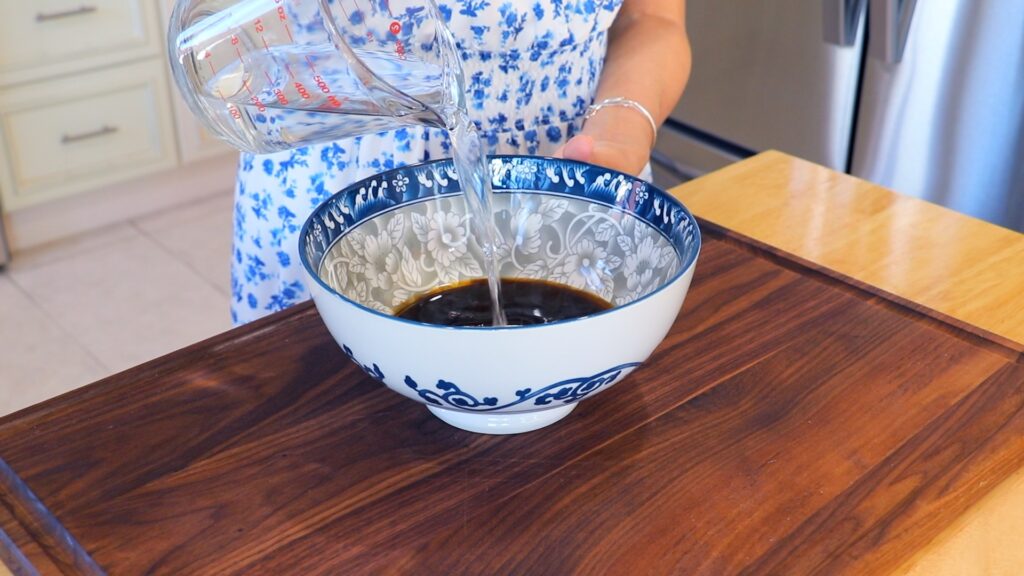
In a bowl, combine the soy sauce, dark soy sauce, oyster sauce, sugar, and water. Mix well.
In a separate small bowl, combine the cornstarch and water to create a slurry.
Tip: Preparing the sauce in advance keeps stir-frying fast and prevents overcooking.
3. Fry the eggplants
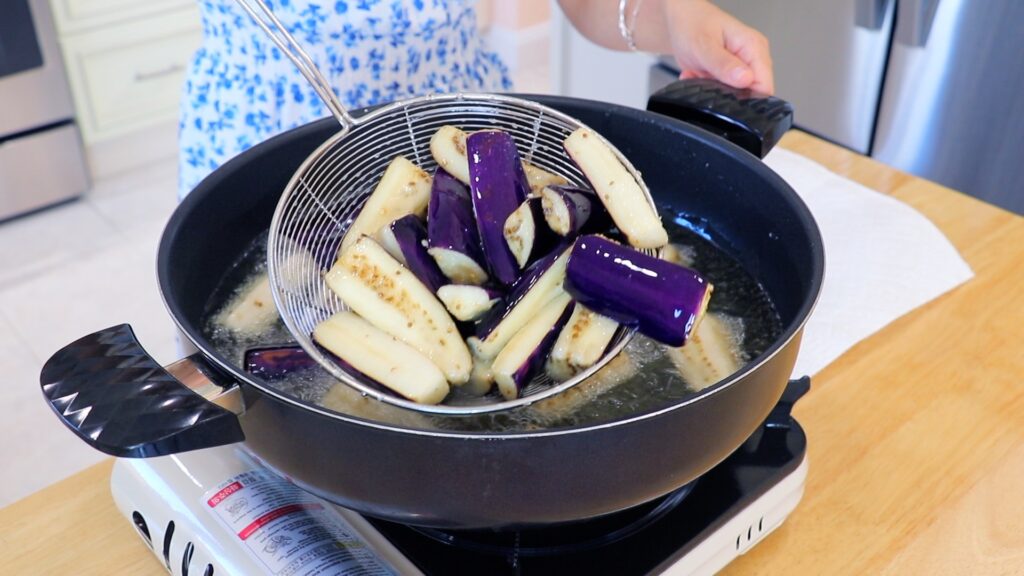
In a pot over high heat, heat the cooking oil to 350°F (177°C).
Fry the eggplants in batches for about 1 minute, until tender. Remove and drain.
Tip: Frying quickly softens the eggplants while preventing them from becoming soggy.
4. Stir-fry and braise
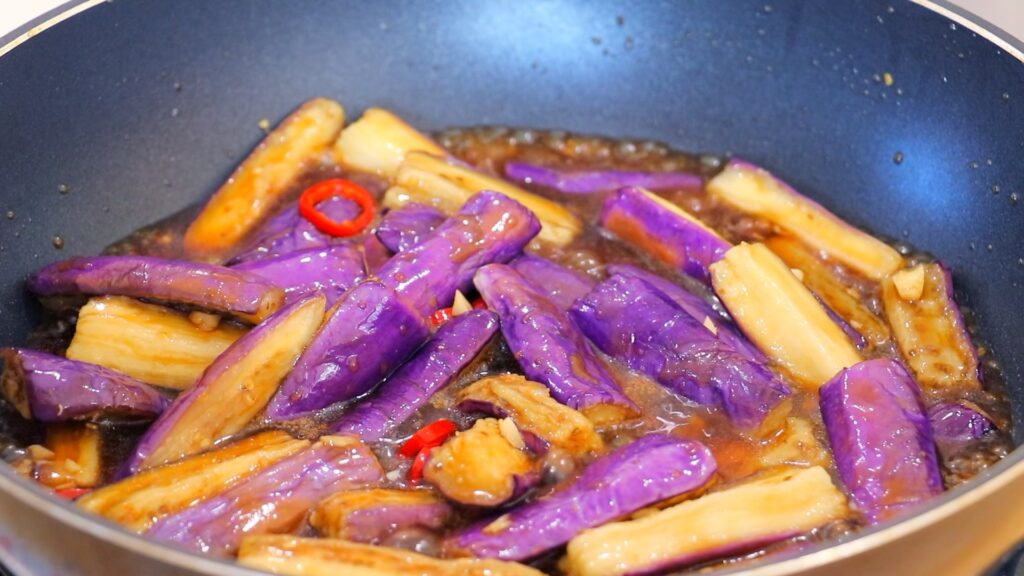
In a wok over high heat, add the cooking oil. Stir-fry the hot pepper and garlic for about 30 seconds until fragrant.
Pour in the prepared sauce and bring it to a simmer. Stir in the slurry and cook until the sauce thickens.
Return the eggplants to the wok and toss gently to coat them in the sauce.
Tip: Thickening the sauce before adding the eggplants helps the glaze cling evenly.
5. Serve
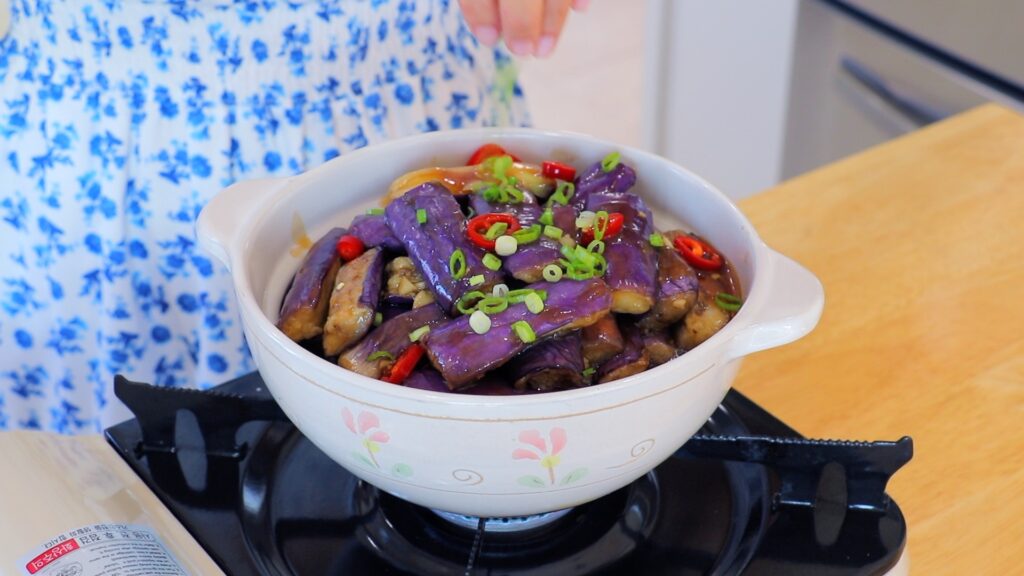
Transfer the eggplants to a preheated clay pot or serving dish and garnish with the scallions. Serve hot with steamed rice.
Tip: Serving in a clay pot is optional, but it helps keep the dish hot longer, which enhances the flavor.
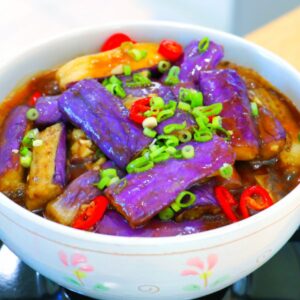
Red Braised Eggplants
No ratings yet
Chinese Red Braised Eggplant is a classic Chinese dish featuring tender eggplants braised in a savory soy-based sauce with garlic and aromatics.
Servings 2
Prep Time 20 minutes mins
Cook Time 10 minutes mins
Ingredients
For the eggplants
- 4 large Chinese eggplants, quartered lengthwise and cut into 2-inch pieces
- 2 teaspoons salt
- 1 teaspoon rice vinegar
- 1 tablespoon cornstarch
- 4 cups cooking oil, for frying
For the stir-fry
- 1 tablespoon cooking oil
- 1 medium finger hot pepper, thinly sliced
- 6 cloves garlic, coarsely minced
- 1 tablespoon scallions, minced
For the sauce
- 2 tablespoons soy sauce
- 1 teaspoon dark soy sauce
- 1 tablespoon oyster sauce
- 1 tablespoon sugar
- 1 cup water
- 1 tablespoon cornstarch, for slurry
- 3 tablespoons water, for slurry
Instructions
- To prepare the eggplants, in a bowl, dissolve the salt and rice vinegar in water. Add the eggplants and place a plate on top to keep them submerged. Soak for about 10 minutes, then drain, rinse, and gently squeeze out excess moisture. Toss the eggplants with cornstarch until evenly coated.
- To make the sauce, in a bowl, combine the soy sauce, dark soy sauce, oyster sauce, sugar, and water. In another small bowl mix the cornstarch and water to form a slurry.
- To fry the eggplants, in a pot over high heat, heat the cooking oil to 350°F (177°C). Fry the eggplants in batches for about 1 minute until tender, then remove and drain on paper towels.
- To stir-fry and braise, in a wok over high heat, add the cooking oil. Stir-fry the hot pepper and garlic for about 30 seconds until fragrant. Pour in the prepared sauce and bring it to a simmer. Stir in the slurry and cook until the sauce thickens. Add the eggplants and toss gently until evenly coated.
- To serve, transfer the eggplants to a serving dish or clay pot and garnish with the scallions. Serve immediately with steamed rice.
Video
Notes
Soaking the eggplants: Soaking the eggplants in salted water with a little vinegar helps preserve their purple color and reduces oil absorption during frying.
Dry and coat evenly: After soaking, gently squeeze out excess water before tossing the eggplants with cornstarch. This helps the coating stick and prevents splattering during frying.
Fry at the right temperature: Heat the cooking oil to about 350°F (177°C). Oil that is too cool will cause the eggplants to absorb more oil instead of frying quickly.
Prepare the sauce in advance: Mixing the sauce before stir-frying keeps the cooking process fast and prevents the garlic from burning.
Serve hot: Serving in a clay pot is optional, but it helps keep the dish hot longer and enhances the flavor.
Reuse frying oil: After frying, allow the oil to cool completely, then strain it through a coffee filter or cheesecloth into a clean container. Store in a cool place and discard if it becomes dark or cloudy.
Protein variation: This braising sauce also works well with tofu or ground pork if you’d like to add protein to the dish.
Author: CiCi Li
Course: Main Course
Cuisine: Chinese