
No products in the cart.
25-Min Beef Lo Mein Recipe
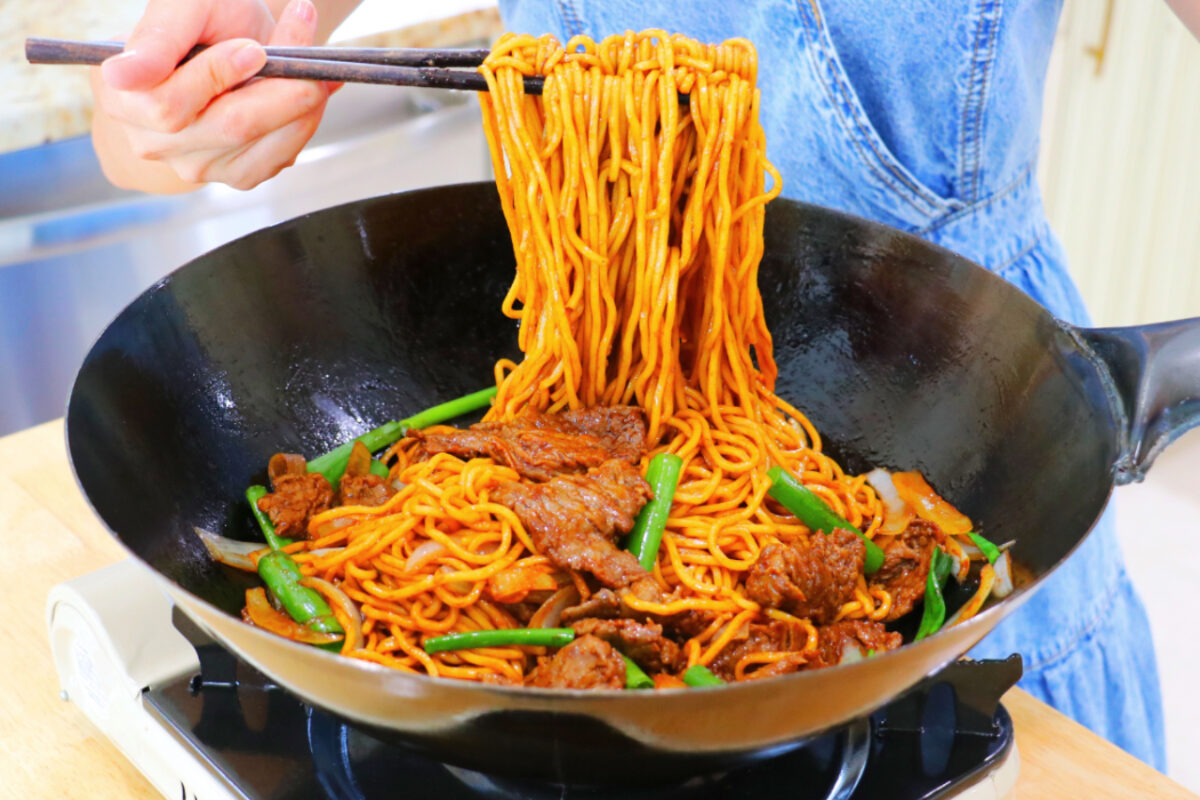
Beef Lo Mein is one of those dishes where the moment it hits the wok, everything starts to smell amazing. The noodles loosen up, the sauce sizzles, and you can already tell it’s going to be good.
This is the Chinese-American style lo mein—soft, a little saucy, and tossed together so every strand is coated.
At home, this is something my daughters get really excited about. When I tell them I’m making lo mein, they already know what’s coming—those chewy noodles, tender beef, and that savory sauce they love.
And honestly, once you start cooking it, it’s hard not to sneak a bite. The noodles soak up the sauce, the beef stays soft and juicy, and everything just comes together in the wok.
It’s actually much easier than it looks—and once you make it yourself, it’s fresher, lighter, and just tastes better than takeout.
I’ll show you exactly how to do it, step by step.
What Is Beef Lo Mein?
Beef Lo Mein is a noodle dish made with soft, chewy egg noodles, tender slices of beef, and a savory sauce that gets tossed through everything in the wok.
“Lo mein” actually means “tossed noodles.” Instead of frying the noodles until crispy, they’re cooked first, then added to the wok and mixed with the sauce so every strand gets coated.
When it’s done right, the noodles are soft but not mushy, the beef is tender, and everything is glossy and full of flavor.
Lo Mein vs Chow Mein
This is something a lot of people get confused about.
Chinese-American lo mein (this recipe): This is the version most people know in the U.S. The noodles are boiled first, then added to the wok and tossed with beef and sauce. Everything cooks together quickly, so the noodles stay soft, a little saucy, and evenly coated.
Traditional Cantonese lo mein: The noodles are cooked separately, then lightly tossed with sauce—sometimes just soy sauce. It’s very simple, and the focus is really on the noodles themselves. It’s not heavy or overly saucy.
Chow mein: This is more stir-fried. The noodles spend more time in the wok, so they turn a bit drier, and sometimes slightly crispy around the edges.
If you like noodles that are soft, flavorful, and nicely coated—not dry—this is the version you’re looking for.
What Noodles to Use for Lo Mein?
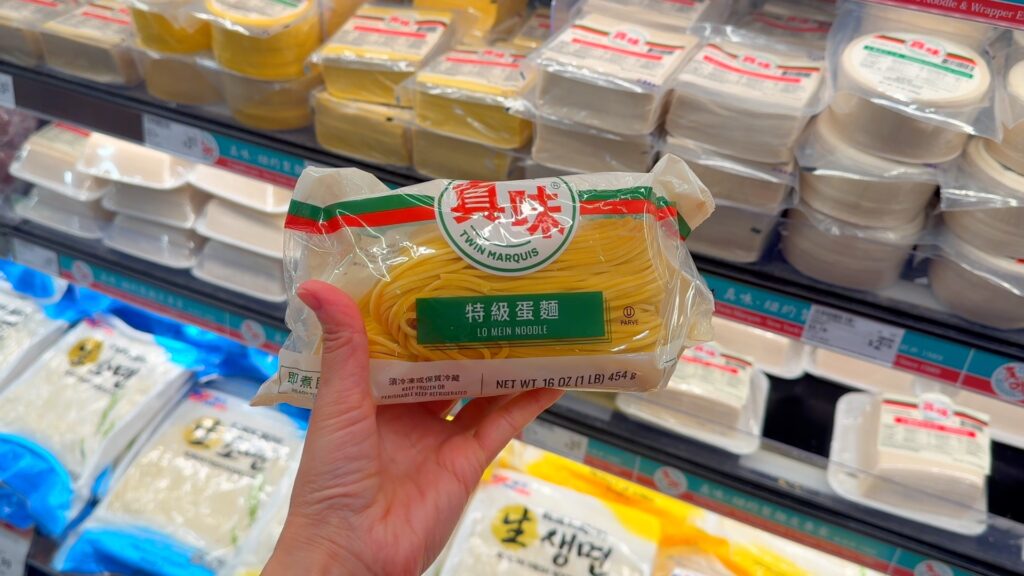
If you’re shopping at an Asian grocery store, you’ll often see packages labeled “lo mein noodles” or “egg noodles.” They’re usually made with wheat flour and eggs, which gives them that slightly yellow color and springy texture.
Fresh lo mein noodles, like the ones in the refrigerated section, are the best—they cook quickly and have a really nice chew. Dried ones work too, just cook them until al dente.
If you don’t have them, you can also use:
- Spaghetti – A very good substitute. It has a similar thickness and holds the sauce well.
- Fresh ramen noodles – Slightly softer, but still works nicely for that chewy texture.
- Yakisoba noodles – Very close to lo mein noodles and easy to use.
- Wheat noodles – Any plain wheat noodle works well here.
- Udon – Thicker and softer, but great if you like a more bouncy, chewy bite.
The key is not to overcook them. Boil just until al dente, then rinse with cold water to stop the cooking.
That helps keep the noodles from getting too soft when you stir-fry them later.
How to Make Beef Tender?
This is the step that makes the biggest difference.
Velveting is a Chinese cooking technique that keeps the beef soft and tender.
You coat the beef with egg white, cornstarch, and a little oil, which creates a light protective layer.
When the beef cooks, it stays juicy and silky instead of tough or dry.
It’s a simple step, but it’s what gives you that restaurant-style texture.
How to Stir-Fry Noodles Properly?
Stir-frying noodles is all about timing and heat.
Use high heat so everything cooks quickly without steaming.
Cook the beef first, then remove it so it doesn’t overcook.
When you add the noodles, let them heat up in the wok before adding the sauce—this helps bring out that aroma.
Then toss everything together quickly so the sauce coats evenly.
Why Your Lo Mein Is Dry or Sticky?
If your lo mein doesn’t turn out right, it’s usually one of these small things.
If it’s dry:
- not enough sauce
- overcooked noodles
If it’s sticky:
- noodles weren’t rinsed
- pan wasn’t hot enough
- too crowded in the wok
When done right, the noodles should be glossy, separate easily, and not clump together.
Let’s Talk Ingredients
This dish comes together quickly, so having everything ready makes a big difference.
The beef is what gives this dish that satisfying bite. Flank steak works really well here—just slice it thinly against the grain so it stays tender. Once you velvet it, the texture becomes soft and juicy, just like takeout.
Salt and white pepper are simple, but important. They lightly season the beef and bring out its natural flavor.
Shaoxing wine adds depth and helps remove any strong beefy smell. It’s subtle, but it makes a difference.
Egg white and cornstarch are the key to velveting. They create a light coating that protects the beef while cooking, keeping it tender and silky.
Cooking oil is used both in the marinade and for stir-frying. A high-smoking-point oil helps everything cook cleanly and quickly.
Now for the sauce:
Soy sauce, dark soy sauce, and oyster sauce work together to build that rich, savory flavor. The soy sauce adds saltiness, the dark soy gives color, and the oyster sauce brings a slight sweetness and depth.
Water helps loosen the sauce so it coats the noodles evenly without feeling too heavy.
And finally, the noodles and aromatics:
Lo mein noodles are soft and chewy, perfect for soaking up the sauce. Just don’t overcook them—they’ll finish in the wok.
Onion and scallions add sweetness and freshness. Once they hit the hot wok, you’ll smell that aroma right away—that’s when everything starts to come together.
Step-by-Step: Let’s Cook
Serves: 4
Prep time: 15 minutes
Cook time: 10 minutes
Step 1: Marinate the beef
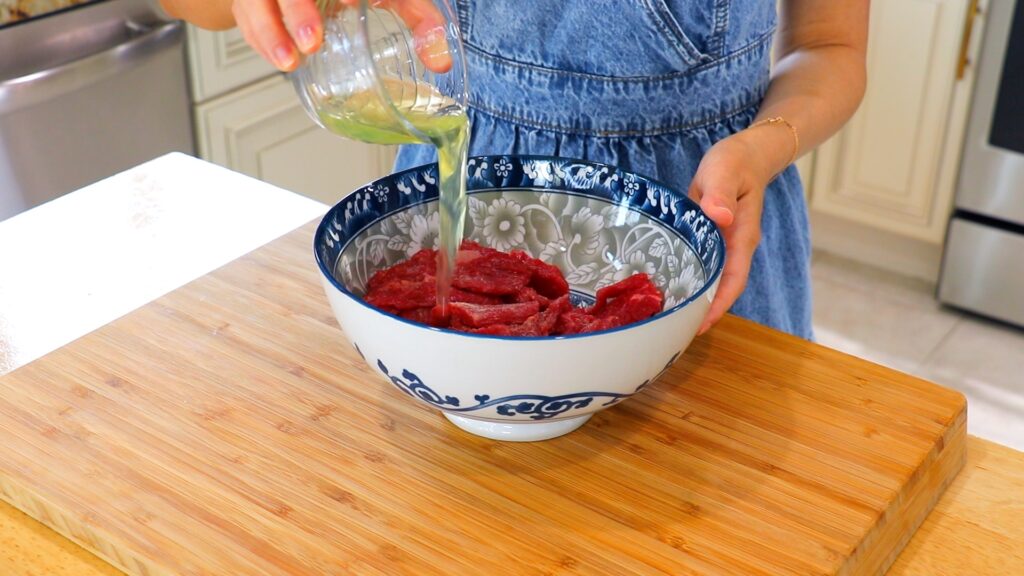
In a bowl, add the beef and sprinkle in the salt, then mix until absorbed.
Add the white pepper and Shaoxing wine, then mix again.
Add the egg white and cornstarch, and mix until the beef is evenly coated. Finish with the cooking oil and mix to seal.
Let it sit while you prepare everything else.
Tip: This is the velveting step—it’s what keeps the beef soft and tender.
Step 2: Cook the noodles
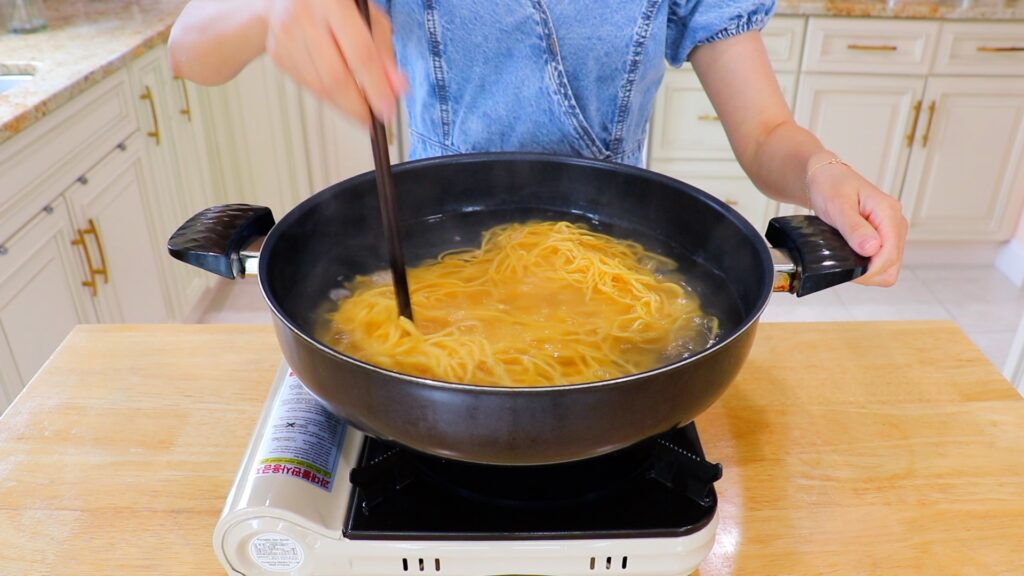
In a pot, bring water to a boil over high heat. Add the noodles and cook for about 3 minutes, until just al dente.
Drain and rinse with cold water, then let them drain well.
Tip: Slightly undercook the noodles—they’ll finish in the wok.
Step 3: Stir-fry the beef
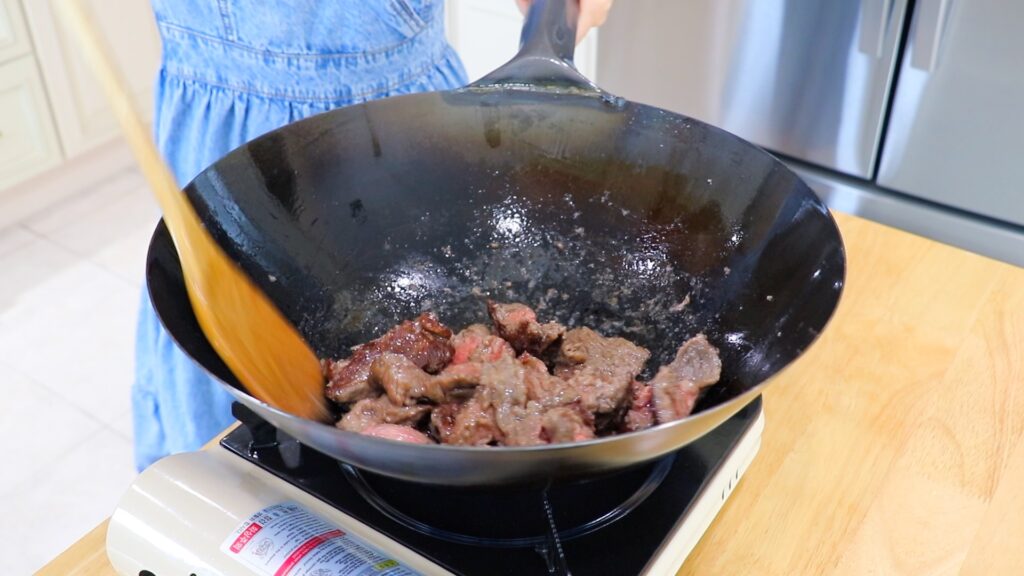
In a wok over high heat, add the cooking oil.
Add the beef and spread it out. Let it sear for a few seconds, then stir-fry for about 2–3 minutes until just cooked.
Remove the beef.
Tip: Don’t overcook here—the beef will go back in later.
Step 4: Bring everything together
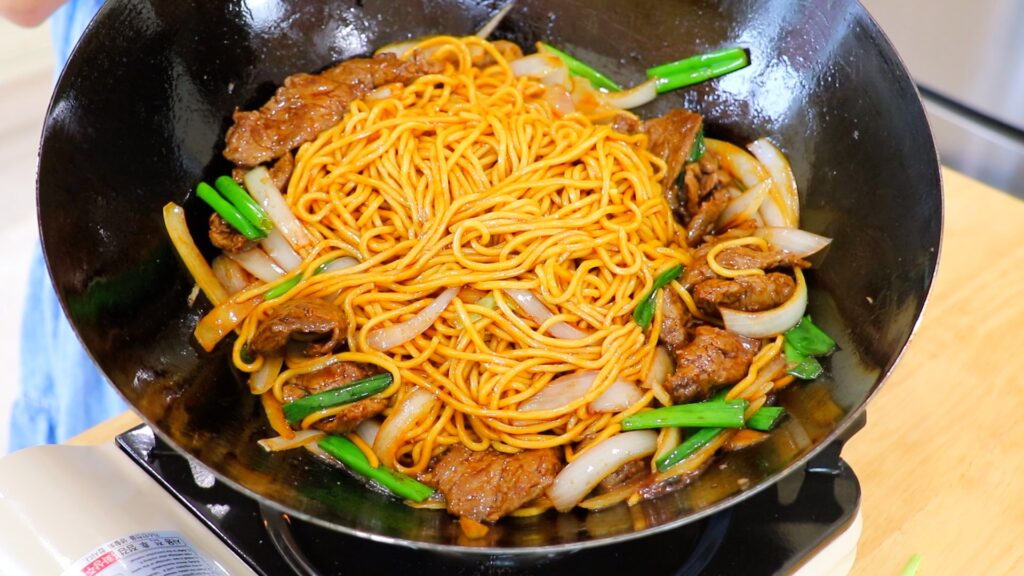
In the same wok over high heat, add a little more cooking oil if needed.
Add the onion and stir-fry for about 30 seconds, until fragrant.
Add the noodles and toss for about 1 minute to heat through—you’ll start to smell that aroma coming out.
Return the beef, pour in the sauce, and add the scallions.
Quickly toss everything together so the sauce coats every strand.
Serve right away.
Tip: Work quickly at this stage—this keeps the noodles from getting soggy and helps everything stay glossy.
25-Min Beef Lo Mein Recipe
Beef Lo Mein is soft, chewy, and tossed with tender beef and a rich, savory sauce—just like your favorite takeout, but fresher and better at home.
Ingredients
For the beef and marinade
- 3/4 pound flank steak, thinly sliced against the grain
- Pinch of salt
- Pinch of white pepper
- 2 tablespoons Shaoxing wine
- 1 large egg white
- 2 tablespoons cornstarch
- 1 tablespoon cooking oil
For the sauce
- 1 tablespoon soy sauce
- 2 tablespoons dark soy sauce
- 2 tablespoons oyster sauce
- 4 tablespoons water
For the noodles and stir-fry
- 1 package fresh lo mein, 16 oz
- 4 tablespoons cooking oil, divided
- 1 medium onion, sliced
- 3 stalks scallions, sliced
Instructions
- To marinate the beef, in a bowl, add the beef and sprinkle in the salt, then mix until absorbed. Add the white pepper and Shaoxing wine, then mix again. Add the egg white and cornstarch, mix until evenly coated, then add the cooking oil and combine. Let it sit while preparing the remaining ingredients.
- To cook the noodles, in a pot, bring water to a boil over high heat, then add the noodles and cook until just al dente, about 3 minutes. Drain, rinse with cold water, and let them drain well.
- To stir-fry the beef, in a wok over high heat, add 3 tablespoons of cooking oil, then add the beef and spread it out. Let it sear briefly, then stir-fry until just cooked through. Remove the beef.
- To bring everything together, in the same wok over high heat, add the remaining cooking oil, then add the onion and stir-fry until fragrant. Add the noodles and toss for about 1 minute to heat through. Return the beef, add the sauce and scallions, and quickly toss until everything is evenly coated. Serve immediately.
Video
Notes
- Slice against the grain: This helps keep the beef tender and easy to chew.
- Velvet the beef: The egg white and cornstarch create a protective coating that keeps the beef soft and juicy.
- Don’t overcook the noodles: Slightly undercook so they stay chewy after stir-frying.
- Use high heat: This helps prevent the noodles from sticking and keeps everything from turning soggy.
- Cook in stages: Cooking the beef separately prevents overcooking and keeps the texture right.
- Toss quickly at the end: This helps the sauce coat every strand without overcooking.
- Protein swap: You can use chicken, shrimp, or tofu instead of beef.
More Noodle Recipes You’ll Love
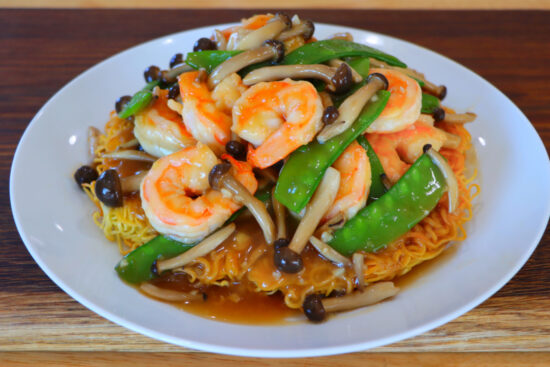
30-Min Hong Kong Crispy Chow Mein with Shrimp
Hong Kong Crispy Chow Mein is all about texture—that moment when the noodles hit the plate still golden and crackly, with silky shrimp and glossy …
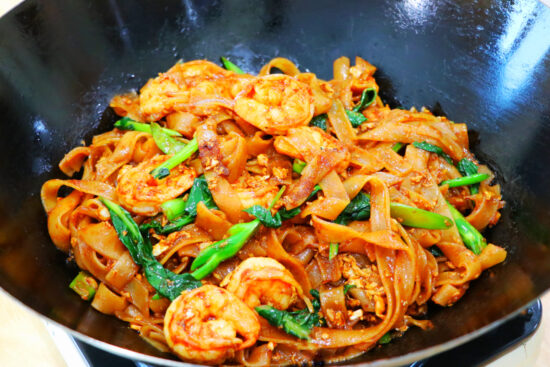
15-Min Shrimp Pad See Ew Recipe
Shrimp Pad See Ew has always been a nostalgic dish for me. Growing up in Thailand, it was one of those meals you could find …
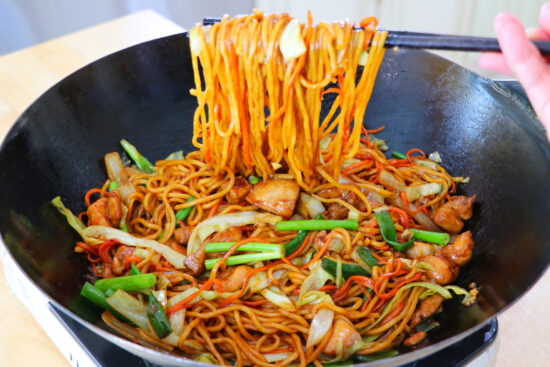
20-Min Chicken Teriyaki Lo Mein Recipe
Teriyaki Chicken Lo Mein brings together two flavors I’ve always loved: classic Chinese lo mein noodles and the sweet, glossy richness of Japanese-style teriyaki. Lo …
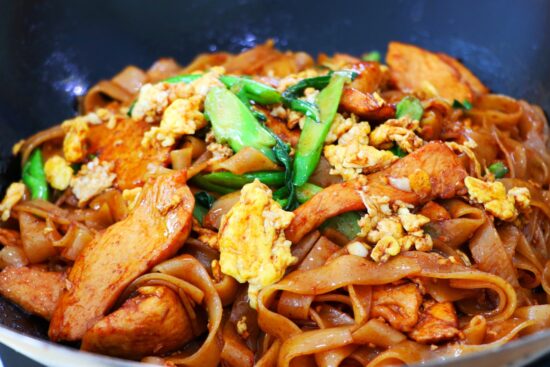
20-Minute Chicken Pad See Ew Recipe
Chicken Pad See Ew was the noodle dish I grew up eating on the streets of Bangkok. Vendors would stir-fry wide rice noodles over blazing-hot …
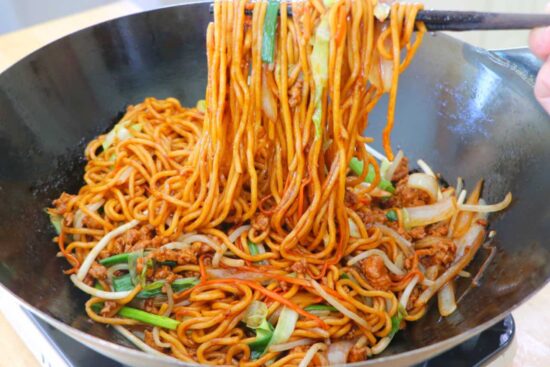
15-Min Ground Chicken Lo Mein Recipe
Ground Chicken Lo Mein is one of my favorite weeknight dinners when I need something fast, comforting, and satisfying. Instead of slicing chicken breast like …
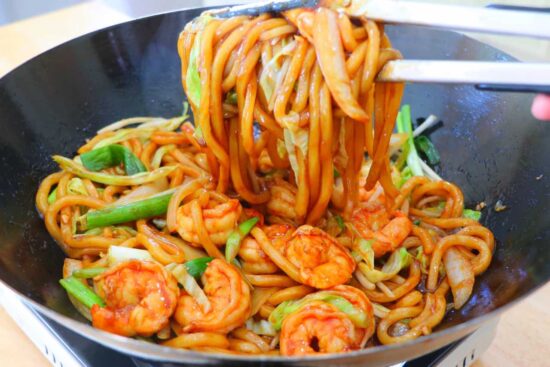
15-Min Shrimp Udon Stir-Fry Recipe
Shrimp Udon Stir-Fry is something I make often at home, especially because udon is my daughters’ favorite type of noodle. They love that thick, chewy …
Omg yum awesome
Thanks so much, Patrolina!
Wow! I must try this tnx
I hope you’ll enjoy making it, Sophia!
I made it w venison chops which can be tough. It was tender and juicy and the whole meal was easy and delicious. I will make this regularly.
Hi Amy, I’m so glad to hear it turned out tender and juicy! Happy cooking!
What brands of the two soy sauces do you use? Also, what are the differences between the two?
Hi Mary, I use Kikkoman for the light soy sauce and Lee Kum Kee for the dark soy sauce. The light soy sauce is thinner and saltier, so it’s mainly for seasoning and flavor. The dark soy sauce is thicker, slightly sweet, and much darker, and it’s used mostly to add color and a bit of richness rather than saltiness. Happy cooking!