
No products in the cart.
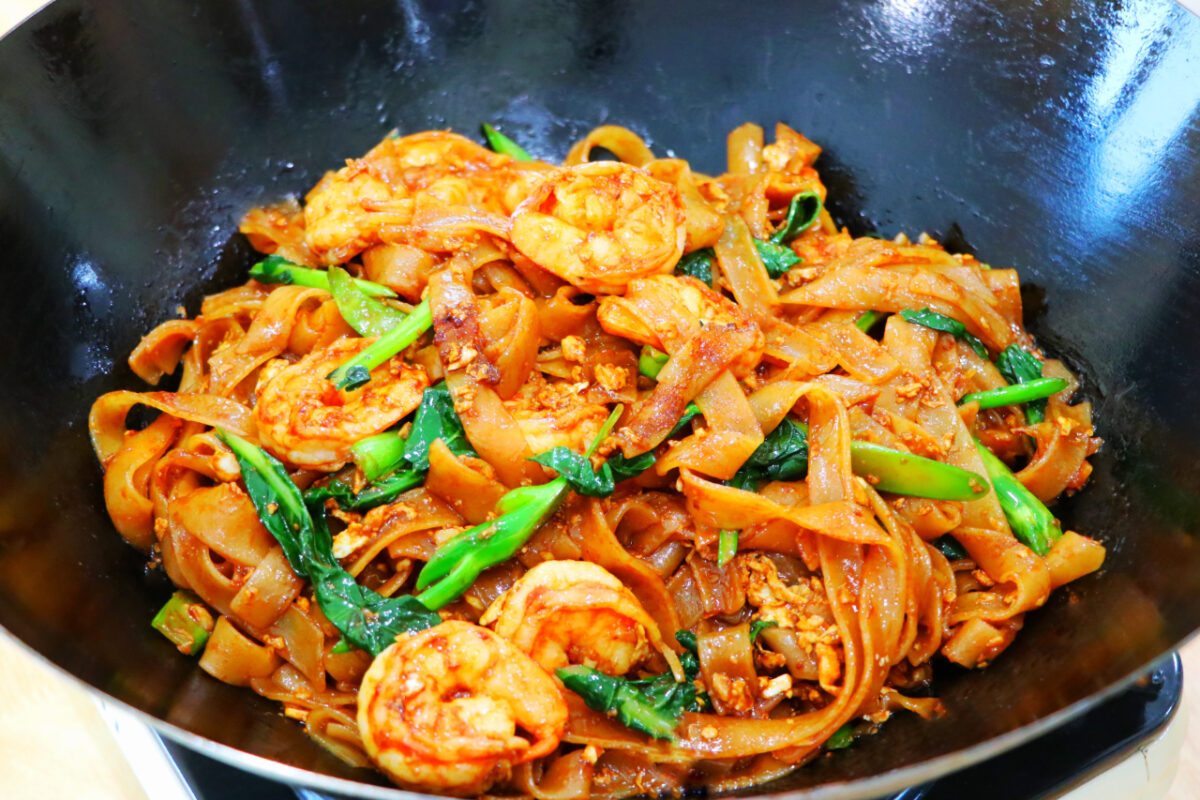
15-Min Shrimp Pad See Ew Recipe
Shrimp Pad See Ew has always been a nostalgic dish for me. Growing up in Thailand, it was one of those meals you could find everywhere — from busy street vendors to small family-run restaurants. The sound of noodles hitting a blazing hot wok, the smell of soy sauce caramelizing, and the quick toss of eggs and Chinese broccoli are memories that instantly bring me back.
Pad See Ew isn’t flashy. It’s simple. But when it’s done right, it’s deeply comforting — smoky, savory, slightly sweet, and beautifully balanced.
The good news is that those same flavors are easy to recreate at home. With just a few ingredients and a hot wok, this dish comes together in about 15 minutes, making it perfect for a quick and satisfying meal.
What Is Pad See Ew
Pad See Ew (ผัดซีอิ๊ว) is a classic Thai stir-fried noodle dish made with wide rice noodles, soy sauce, Chinese broccoli, eggs, and a protein such as shrimp, chicken, or beef.
The name literally means “stir-fried soy sauce.”
Unlike Pad Thai, which is tangy and complex, Pad See Ew is more savory and straightforward. Its signature comes from:
• Dark soy sauce for rich color
• High heat for smoky flavor
• Slight caramelization from the noodles
That smoky aroma — known as wok hei — is what separates a good Pad See Ew from a great one.
Let’s Talk Ingredients
Shrimp
Shrimp cook quickly and absorb flavor beautifully. A light cornstarch coating helps protect them from overcooking in high heat.
Wide dried rice noodles
These are traditional for Pad See Ew. When choosing dried rice noodles, look at the ingredient list. The best ones usually contain rice flour plus a small amount of tapioca starch or modified starch.
That added starch is important — it helps the noodles stay chewy and elastic instead of brittle. Noodles made from only rice flour can break more easily during stir-frying.
Dark soy sauce
Adds deep color and subtle richness. It’s less salty than regular soy and mainly affects appearance.
Oyster sauce & fish sauce
Oyster sauce adds savory depth. Fish sauce brings complexity and salt balance.
Chinese broccoli
Slightly bitter and crisp, it balances the sweetness of the sauce. The stems cook more slowly than the leaves.
High-smoking-point oil
Avocado, grapeseed, or peanut oil allows proper high-heat cooking without burning.
Step-by-Step: Let’s Cook
Serves: 2
Prep time: 5 minutes
Cook time: 10 minutes
Step 1: Season the shrimp
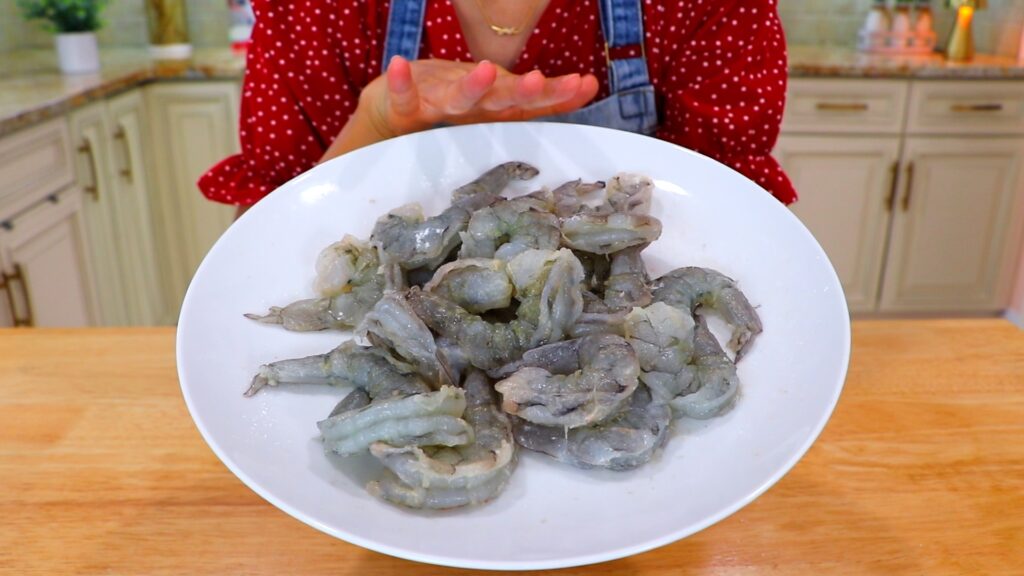
On a plate, combine the shrimp with salt, white pepper, and cornstarch. Mix until evenly coated.
Tip: The cornstarch forms a light barrier that helps the shrimp stay juicy during high-heat cooking.
Set aside.
Step 2: Prep the vegetables
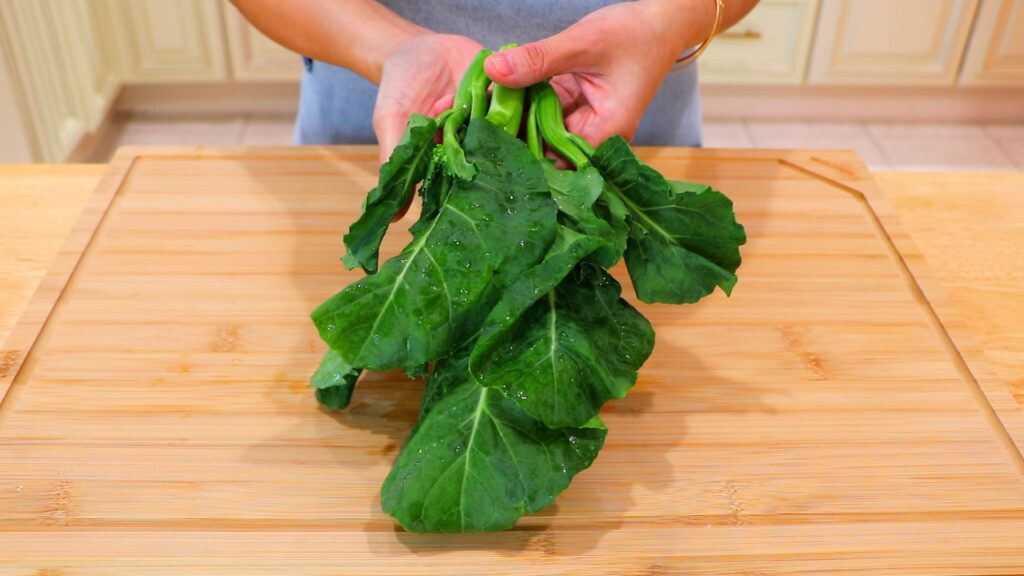
Cut the Chinese broccoli into bite-sized pieces. If the stems are thick, slice them thinner so they cook evenly. Mince the garlic.
Step 3: Make the sauce
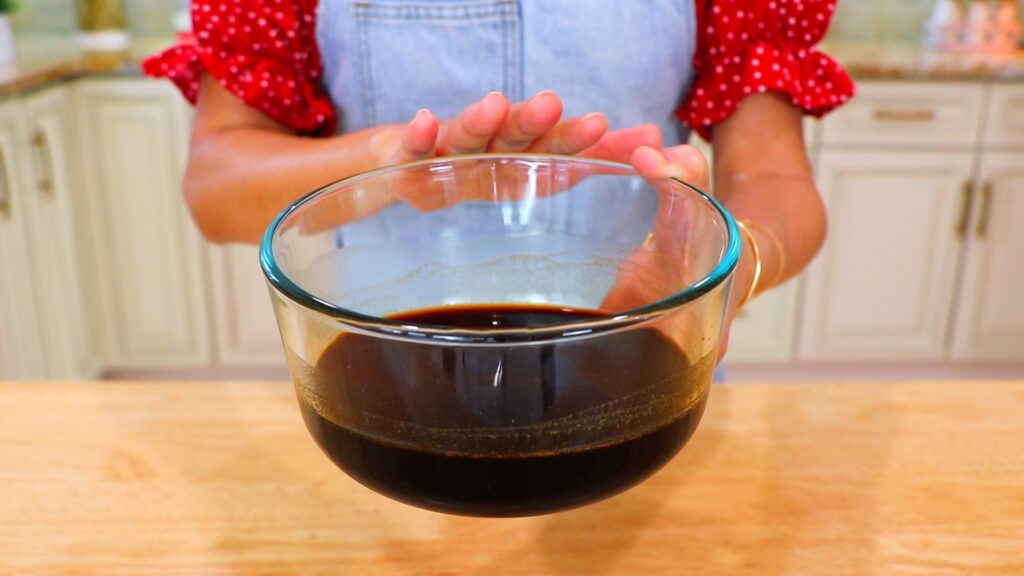
In a bowl, whisk together soy sauce, dark soy sauce, oyster sauce, fish sauce, sugar, and water.
Tip: Pre-mixing ensures even seasoning and allows fast cooking without scrambling to measure later.
Step 4: Cook the noodles
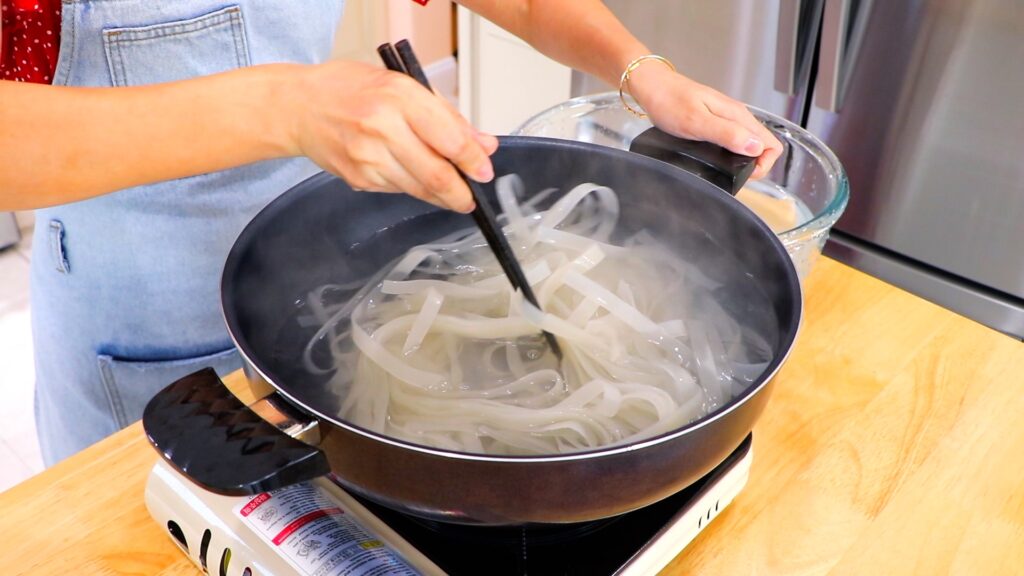
In a pot over high heat, bring water to a boil. Add the dried rice noodles and cook for about 3 minutes, just until softened but still slightly firm.
Immediately transfer to cold water to stop the cooking process. Drain well, but keep them slightly moist.
Tip: Slightly undercooking prevents breakage and keeps the noodles chewy in the wok.
Step 5: Stir-fry the shrimp
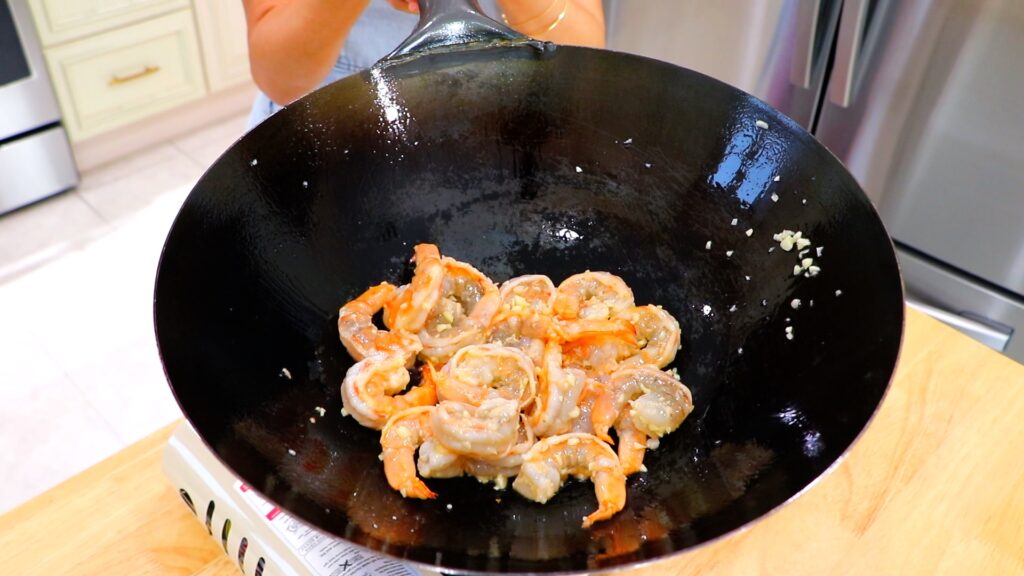
In a wok over high heat, heat 1 tablespoon of cooking oil until very hot.
Add the shrimp and garlic. Stir-fry for about 1 minute, just until the shrimp turn lightly pink. Remove and set aside.
Tip: Shrimp cook quickly. Removing them early prevents a rubbery texture.
Step 6: Cook the eggs and Chinese broccoli
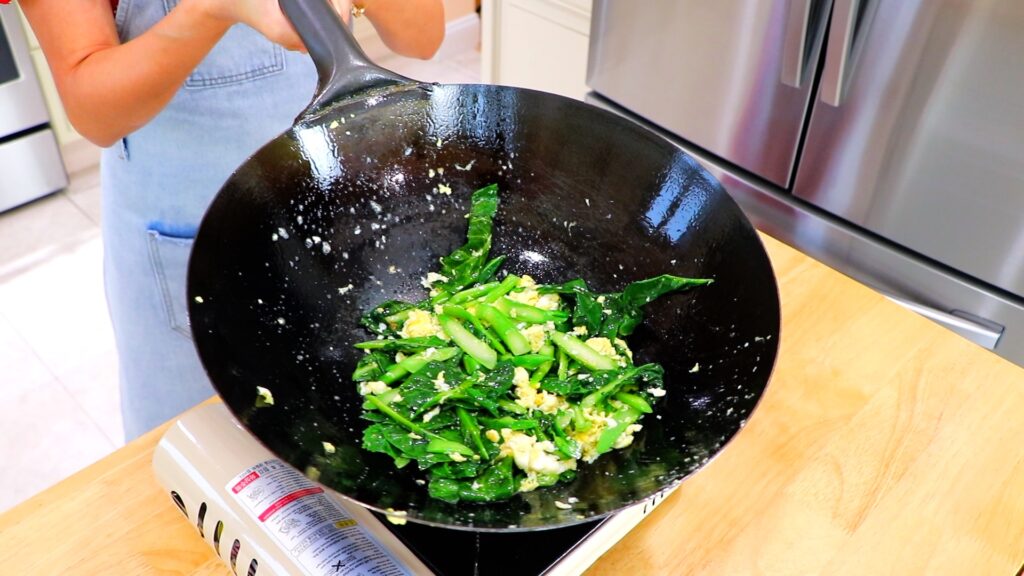
In the same wok over high heat, add 1 tablespoon of cooking oil. Crack the eggs and stir-fry until partially set. Push to the side.
Add the Chinese broccoli stems first, then the leaves. Stir-fry briefly until slightly softened. Remove and set aside.
Step 7: Stir-fry the noodles
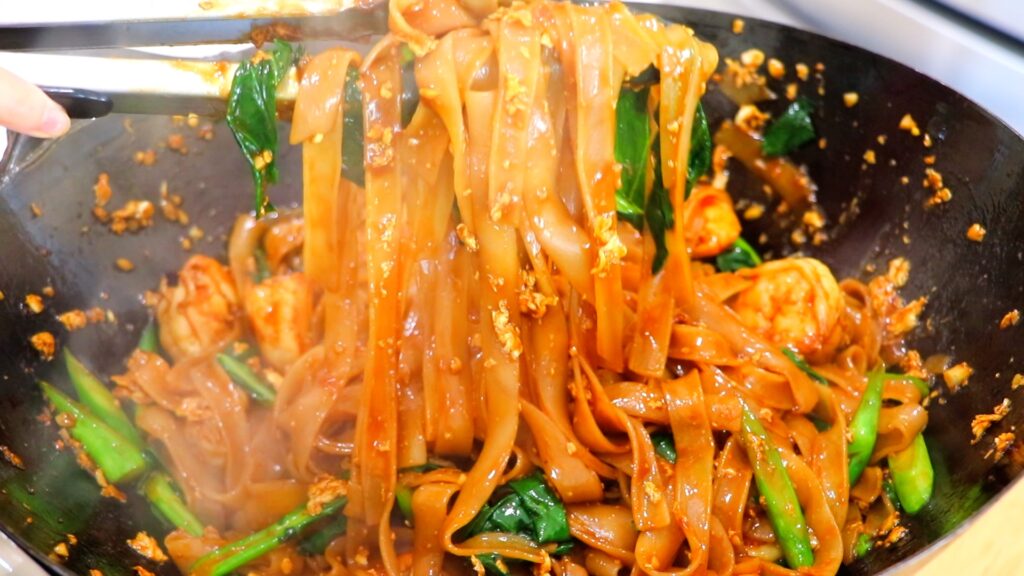
In the wok over high heat, add the remaining 1 tablespoon of cooking oil. Add the noodles and stir-fry until heated through.
Return the shrimp, eggs, and broccoli to the wok. Pour in the sauce and toss for about 1 minute.
Then let the noodles sit undisturbed for 15 seconds.
Tip: That short pause allows direct contact with the hot wok, creating the smoky flavor that makes Pad See Ew taste like Thailand.
Give everything one final toss and serve immediately.
Smoky noodles. Tender shrimp. Deep soy aroma. Every bite tastes like home.
15-Min Shrimp Pad See Ew Recipe
Ingredients
For the shrimp
- 1 pound shrimp, peeled and deveined
- Pinch of salt
- Pinch of white pepper
- 1 teaspoon cornstarch
- 1 tablespoon cooking oil, high-smoking-point oil like avocado, grapeseed, or peanut oil
- 3 cloves garlic, minced
For the sauce
- 1 tablespoon soy sauce
- 2 tablespoons dark soy sauce
- 1 tablespoon oyster sauce
- 1 tablespoon fish sauce
- 1 teaspoon sugar
- ½ cup water
For the stir-fry
- 14 ounces dried rice noodles, thick
- 3 tablespoons cooking oil, separated
- 2 large eggs
- 3 stalks Chinese broccoli, bite-sized pieces
Instructions
- To season the shrimp, on a plate, add the shrimp, salt, white pepper, and cornstarch. Mix until evenly coated and set aside.
- Cut the Chinese broccoli into bite-sized pieces and mince the garlic.
- To make the sauce, in a bowl, whisk together the soy sauce, dark soy sauce, oyster sauce, fish sauce, sugar, and water until combined.
- To cook the rice noodles, in a pot over high heat, bring water to a boil. Add the dried rice noodles and cook for about 3 minutes, just until softened. Immediately transfer the noodles to cold water, then drain well.
- To stir-fry the shrimp, in a wok over high heat, add 1 tablespoon of cooking oil. Add the shrimp and garlic, then stir-fry for about 1 minute, just until the shrimp turn lightly pink. Remove and set aside.
- To stir-fry the eggs and Chinese broccoli, in the wok over high heat, add 1 tablespoon of cooking oil. Crack the eggs and stir-fry until partially set, then push them to the side. Add the Chinese broccoli and stir-fry for about 1 minute until slightly softened. Remove and set aside.
- To make the pad see ew, in the wok over high heat, add the remaining 1 tablespoon of cooking oil. Add the drained rice noodles and stir-fry until heated through. Return the shrimp, eggs, and Chinese broccoli to the wok, then pour in the sauce. Toss everything together for about 1 minute until the noodles absorb the sauce. Let the noodles sit undisturbed for about 15 seconds, then give everything one final toss and serve immediately.
Video
Notes
- Choose the right noodles: Look for wide dried rice noodles that contain rice flour plus a small amount of tapioca starch or modified starch in the ingredient list. That added starch helps the noodles stay chewy and elastic instead of breaking during stir-frying.
- Undercook slightly: Boil the noodles just until softened but still a little firm in the center. They’ll finish cooking in the wok and stay pleasantly chewy instead of mushy.
- Preheat the wok fully: The wok should be very hot before adding oil. High heat prevents sticking and helps create that subtle smoky flavor.
- Let the noodles rest briefly: That 15-second pause before tossing allows direct contact with the wok, building light char and deep flavor.
- Add shrimp back at the end: Shrimp cook quickly. Returning them at the final stage keeps them tender and juicy.
- Protein swap: Substitute chicken, beef, pork, or tofu. Adjust cooking time depending on the protein used.
More Thai Flavors You Might Like
If you enjoy the savory, smoky flavors of Pad See Ew, here are a few more classic Thai dishes worth trying.
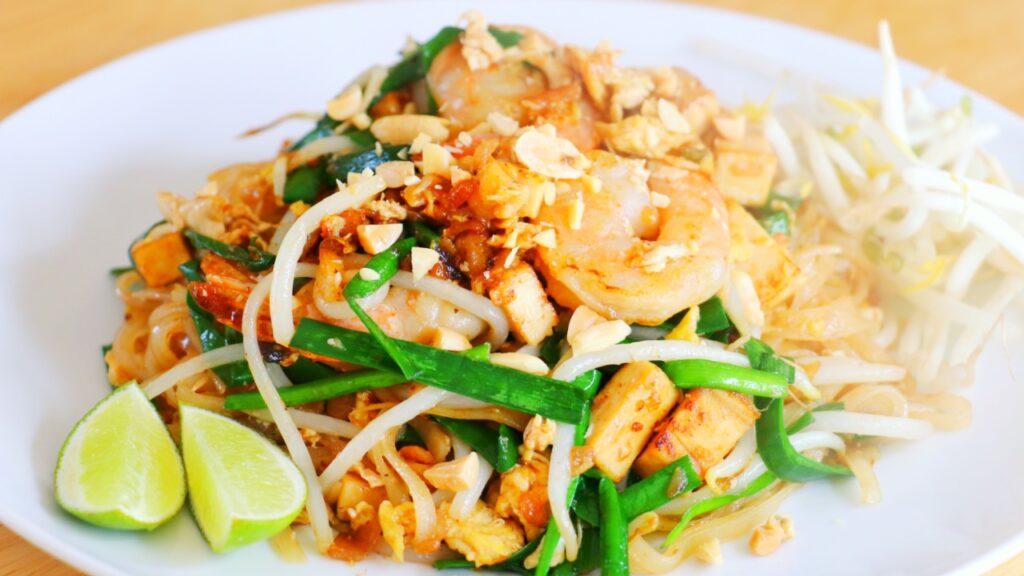
Shrimp Pad Thai: One of Thailand’s most famous noodle dishes, made with rice noodles, shrimp, eggs, and bean sprouts tossed in a tangy tamarind-based sauce. The balance of sweet, sour, and savory flavors makes every bite bright and satisfying.
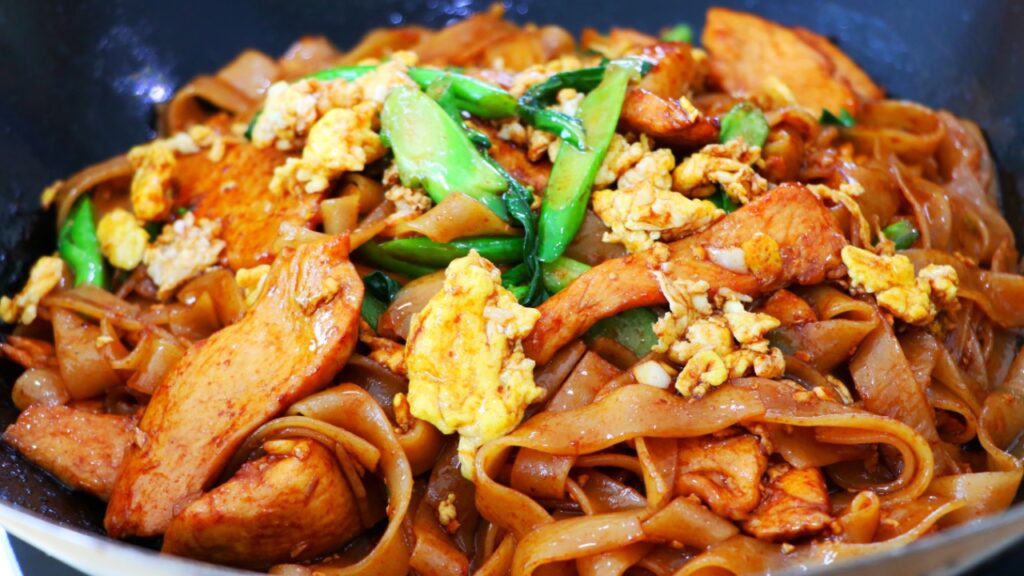
Chicken Pad See Ew: A comforting Thai stir-fried noodle dish featuring wide rice noodles, chicken, eggs, and Chinese broccoli. The noodles are cooked over high heat until lightly charred and coated in a savory soy-based sauce.
Crab Fried Rice: A beloved Thai street food dish where fragrant jasmine rice is stir-fried with sweet crab meat, garlic, and eggs. It’s simple, aromatic, and often served with lime wedges and fresh herbs.
Thai Papaya Salad: A refreshing Thai salad made with shredded green papaya, lime juice, fish sauce, chilies, and palm sugar. Its bright, tangy, and spicy flavor makes it a perfect contrast to rich noodle dishes like Pad See Ew.