
No products in the cart.
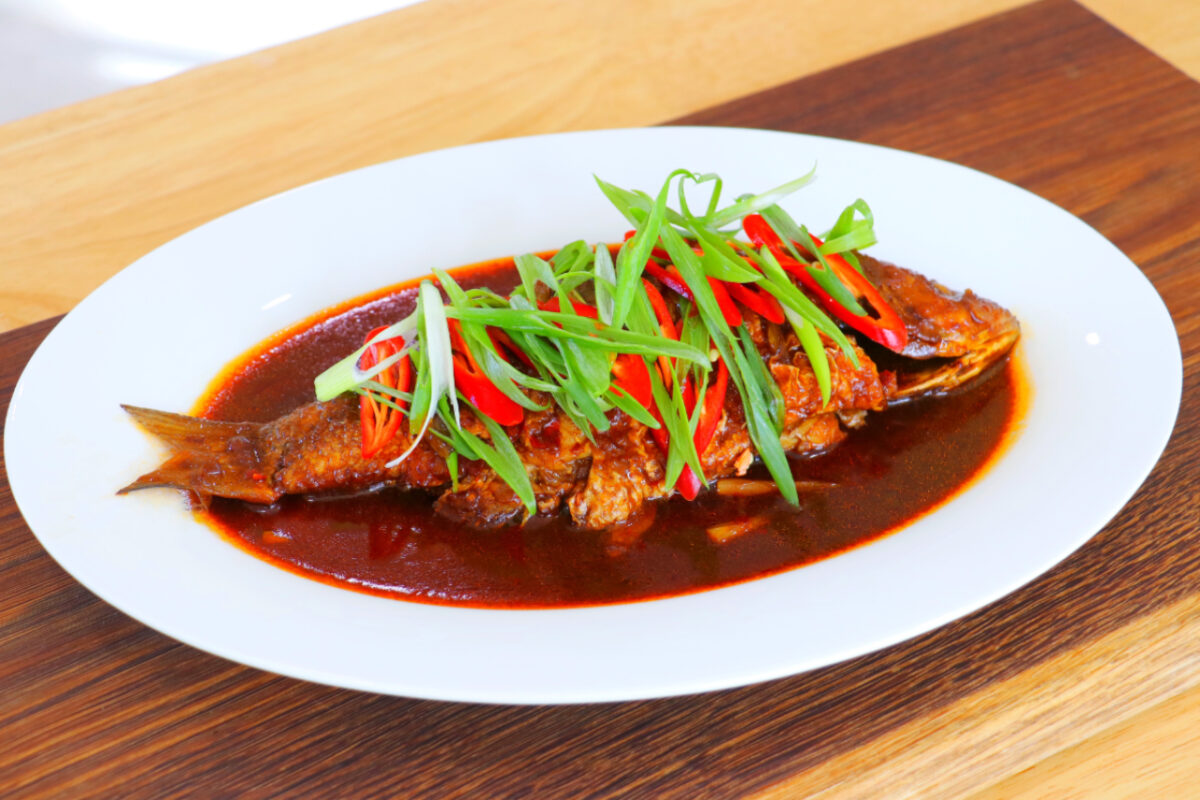
25-Min Chinese Braised Fish Recipe
Chinese Braised Fish is one of those dishes you can smell before you even see it—the aroma of ginger, garlic, and soy sauce gently bubbling in the wok, filling the kitchen. The fish turns tender and flaky, the sauce becomes rich and glossy, and every bite is deeply savory with that comforting, home-cooked warmth.
Growing up, my mom was always the one in the kitchen, and this braised fish made its way to our table again and again. As it simmered, the whole kitchen would fill with that rich, savory aroma—and my mom would always smile and say even the neighbor’s cats would come running when they smelled it.
When I was little, I would carefully pick around the fish and go straight for my favorite part—the sauce. Spoon it over a bowl of hot rice, and it soaks into every grain, rich and savory. Even now, that’s still the first bite I take.
This is a dish that stayed with me. And once you learn the technique, you can recreate that same tender, flavorful braised fish at home—simple, comforting, and always satisfying.
What Is Chinese Braised Fish?
This is one of those everyday dishes you’ll see in a Chinese home.
You start by lightly pan-frying the whole fish, just until the outside turns a little golden. Then it’s simmered gently in a soy-based sauce with ginger, garlic, and scallions.
As it cooks, the fish slowly takes on all that flavor, and the sauce reduces into something rich and glossy. It’s simple, but very comforting—and meant to be eaten with rice.
Best Fish for Chinese Braised Fish
For this dish, I like using a whole white fish.
Sea bass, tilapia, snapper, or branzino all work well. You want something that holds together when you cook it, but still turns tender and flaky.
If you’re more comfortable using fillets, that’s completely fine too—just choose thicker pieces and handle them gently so they don’t break.
How to Keep Fish from Breaking Apart
This is something a lot of people worry about, but once you understand it, it’s actually very manageable.
The most important thing is to start with a dry fish. Pat it well with paper towels so it sears properly instead of sticking. Then add a light coating of cornstarch—this helps protect the surface.
When the fish goes into the pan, don’t rush it. Let it sit and cook without moving it too much. As it cooks, the outside will turn lightly golden, and the surface will start to set.
That’s what makes the fish easier to handle later on—it holds together instead of breaking apart.
Why You Pan-Fry the Fish First?
This step is really where everything comes together.
Pan-frying is what sets that outer layer. Once the fish forms a light golden crust, it becomes much more stable and easier to move without falling apart.
It also adds a little extra flavor—that slight golden edge makes the sauce even more fragrant when you braise it.
So it’s not just about cooking the fish—it’s about building that structure first, so the whole dish turns out the way you want.
What Is Pixian Broad Bean Paste?
Pixian bean broad paste is a fermented chili bean paste from Sichuan.
It has a deep, savory flavor with a little bit of heat, and it gives the sauce more depth.
If you’re sensitive to spice, you can use a smaller amount. The dish will still be very flavorful.
Let’s Talk Ingredients
This is one of those dishes where the ingredients are simple, but each one really matters.
The whole fish is the heart of the dish. A white-fleshed fish like sea bass or snapper works beautifully—it stays tender and flaky, and it holds together well when you cook it.
Ginger and scallions are used right from the beginning. They help remove any fishiness and give the dish that clean, comforting aroma as it cooks.
Garlic comes in a little later and adds depth. Once it hits the oil, it brings everything together and makes the whole kitchen smell so good.
For the sauce, it’s a very classic combination.
Soy sauce and dark soy sauce give you both flavor and color—the soy sauce brings the saltiness, and the dark soy adds that deeper color and a slight richness.
Chinkiang vinegar adds just a touch of brightness. It balances everything so the sauce doesn’t feel too heavy.
Sugar rounds it out with a little sweetness, and white pepper adds a gentle warmth in the background.
Pixian bean paste is what gives the dish that extra depth. It’s rich, savory, and slightly spicy, but not overpowering—it just makes the sauce more complex.
And of course, cooking oil is important here. Use a high-smoking-point oil so you can pan-fry the fish properly and build that flavor without burning anything.
Step-by-Step: Let’s Cook!
Step 1: Prepare the fish
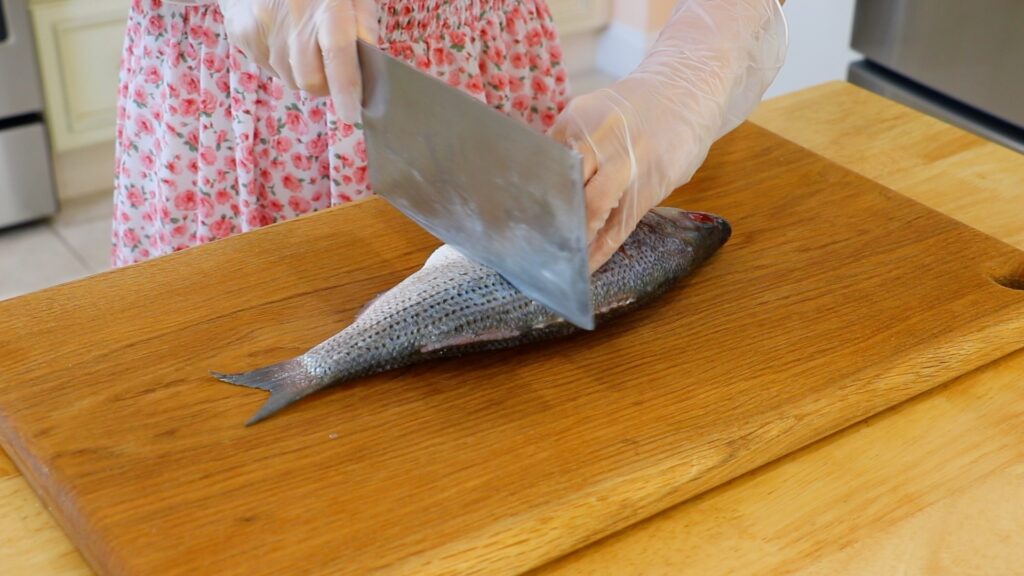
Pat the fish dry well with paper towels to remove excess moisture.
Using a knife, make about 4–5 diagonal cuts on each side of the fish, without cutting all the way through.
In a bowl, add the fish with the ginger, scallions, rice wine, and a pinch of salt.
Gently rub everything over the fish and let it sit for about 5 minutes.
Remove the ginger and scallions, then lightly coat the fish with cornstarch.
Tip: Those light cuts help the fish cook more evenly and allow the sauce to soak in better.
Step 2: Make the sauce
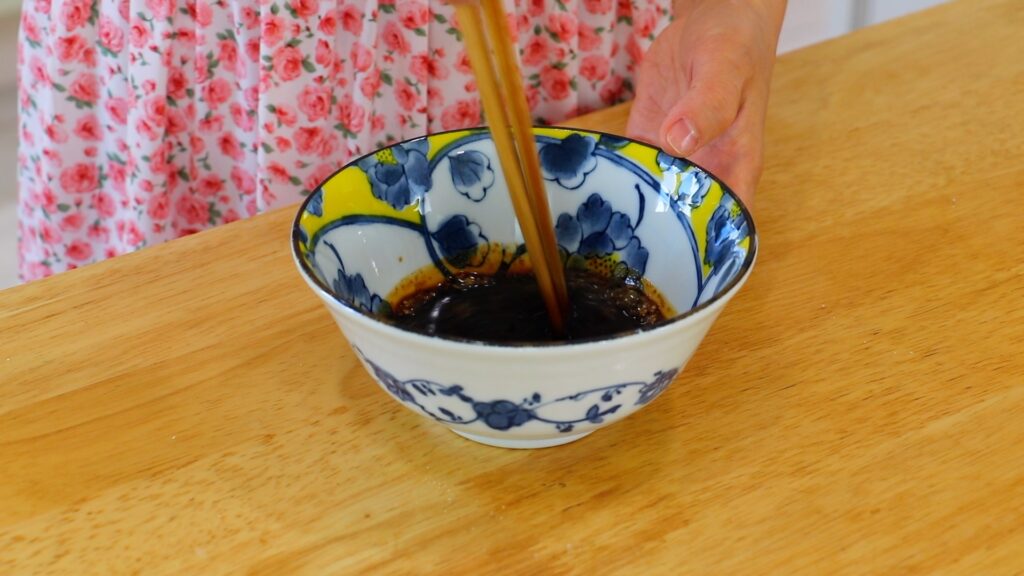
In a bowl, mix together the soy sauce, dark soy sauce, Chinkiang vinegar, sugar, and white pepper until combined.
Tip: Mix the sauce ahead of time so everything comes together quickly once you start cooking.
Step 3: Pan-fry the fish
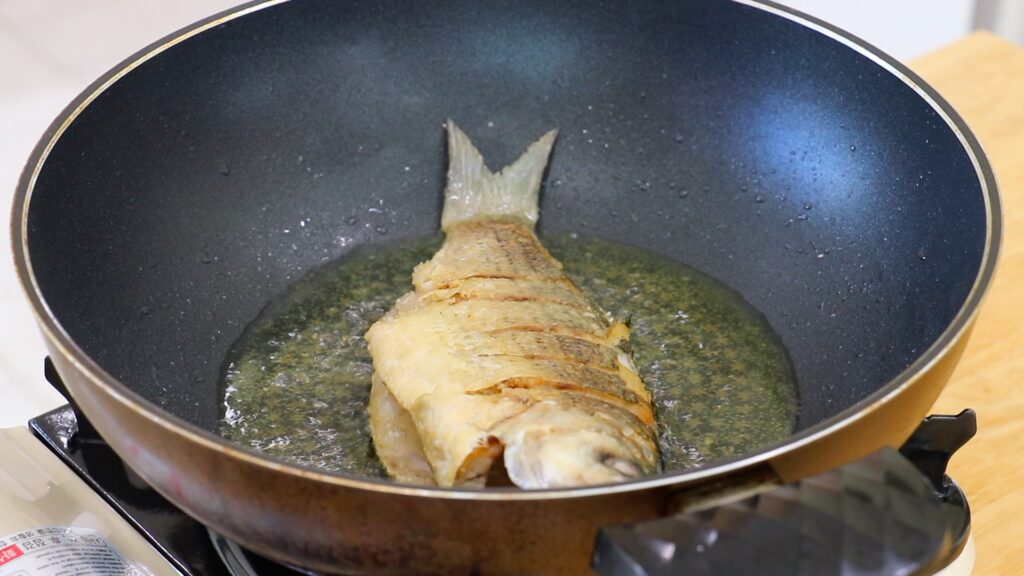
In a wok over medium heat, add the cooking oil. Once the oil is hot, carefully add the fish.
Let it cook for about 3 minutes without moving it too much, until the bottom is lightly golden. Then gently turn and cook the other side for another 3 minutes.
Remove the fish and set aside.
Tip: Let the fish sit and form that light crust—this is what helps it hold together.
Step 4: Build the base
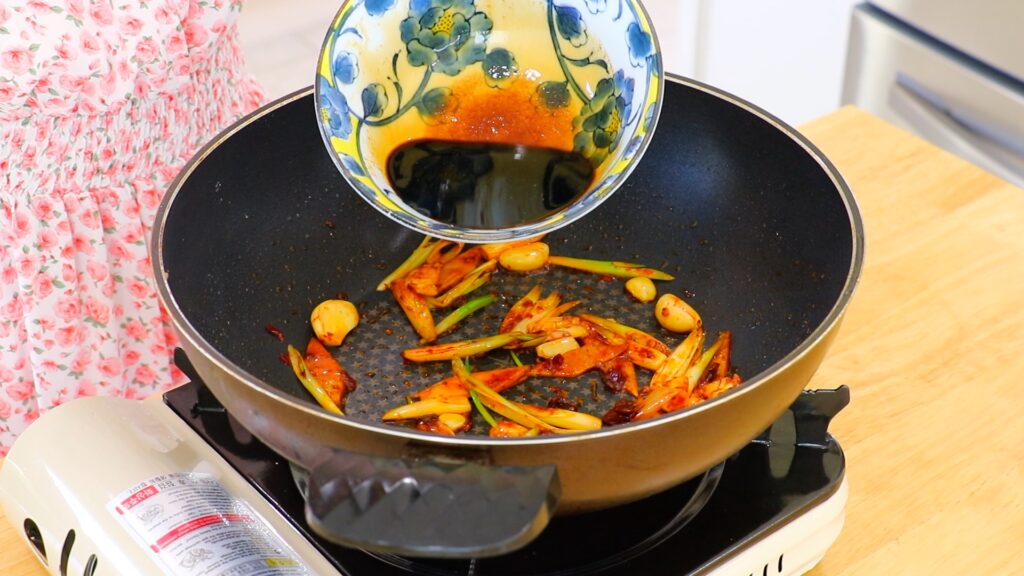
In the same wok over medium-low heat, add a little more cooking oil if needed. Add the ginger, garlic, and scallions (white part), then stir-fry until fragrant.
Add the Pixian bean paste and stir-fry gently until the oil turns slightly red and aromatic.
Tip: Keep the heat a little lower here so the bean paste doesn’t burn.
Step 5: Braise and finish
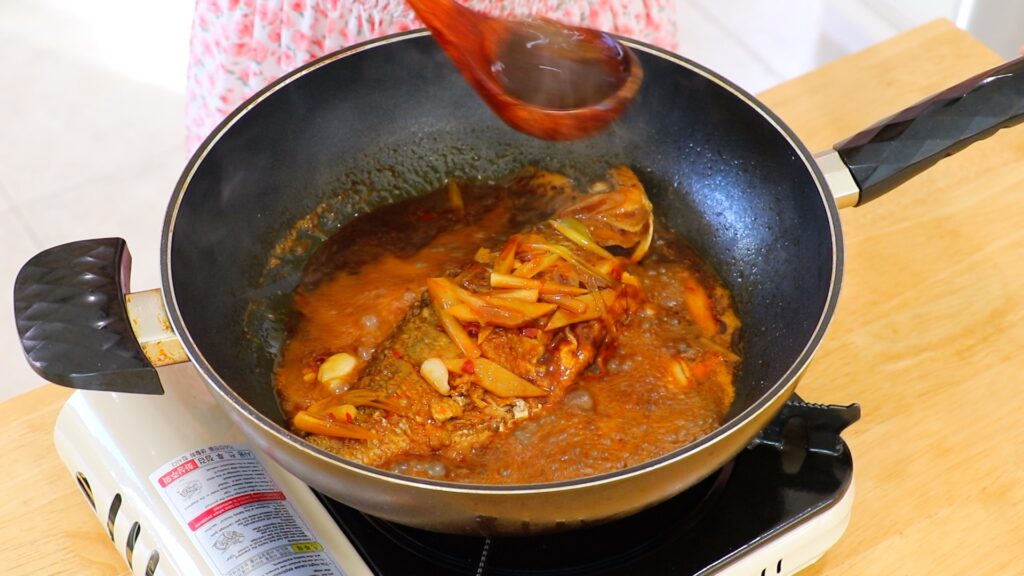
Pour in the sauce and water, then gently stir to combine.
Carefully return the fish to the wok. Cover and let it simmer over medium-low heat for about 5 minutes.
Uncover, raise the heat to high, and let the sauce reduce slightly until it becomes glossy.
Add the red pepper and scallions (green part), then spoon the sauce over the fish.
Serve right away.
Tip: By the end, the sauce should lightly coat the fish—that’s when you know it’s just right.
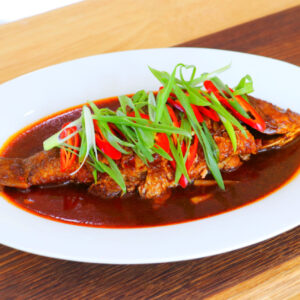
25-Min Chinese Braised Fish Recipe
Chinese Braised Fish is tender, flaky, and simmered in a rich, savory soy-based sauce with ginger, garlic, and scallions.
Ingredients
For the fish
- 2 pounds whole white bass, or another whole white fish
- 8 slices ginger
- 2 stalks scallions
- 2 tablespoons rice wine
- Pinch of salt
- 1 tablespoon cornstarch
- 5 tablespoons cooking oil, high-smoking-point
For the sauce
- 1 tablespoon soy sauce
- 1 tablespoon dark soy sauce
- 1 tablespoon Chinkiang vinegar
- 1 tablespoon sugar
- Pinch of white pepper
For the braising
- 1 tablespoon cooking oil, high-smoking-point
- 6 cloves garlic, smashed
- 8 slices ginger
- 1 ½ tablespoons scallions, white part
- ½ tablespoon Pixian bean paste
- 2 cups water
- 1 medium red chili pepper, sliced
- 1 ½ tablespoons scallions, green part
Instructions
- To prepare the fish, pat the fish dry well with paper towels to remove excess moisture, then use a knife to make 4–5 diagonal cuts on each side without cutting all the way through. In a bowl, add the fish with the ginger, scallions, rice wine, and salt, then gently rub to coat and let it sit for 5 minutes. Remove the ginger and scallions, then lightly coat the fish with cornstarch.
- To make the sauce, in a bowl, mix the soy sauce, dark soy sauce, Chinkiang vinegar, sugar, and white pepper until combined.
- To pan-fry the fish, in a wok over medium heat, add the cooking oil, then carefully add the fish. Let it cook undisturbed for about 3 minutes until lightly golden, then gently turn and cook the other side for another 3 minutes. Remove the fish.
- To build the braising base, in the same wok over medium-low heat, add the cooking oil if needed, then add the ginger, garlic, and scallions (white part), and stir-fry until fragrant. Add the Pixian bean paste and stir-fry gently until the oil turns slightly red and aromatic.
- To braise and finish, pour in the sauce and water, then stir gently to combine. Return the fish to the wok, cover, and simmer over medium-low heat for 5 minutes. Uncover, raise the heat to high, and reduce the sauce for about 1 minute until slightly thickened. Add the red finger hot pepper and scallions (green part), then spoon the sauce over the fish and serve immediately.
Video
Notes
- Pat the fish dry first: Removing surface moisture helps the fish sear properly and prevents sticking.
- Score the fish lightly: The cuts help the fish cook evenly and allow the sauce to soak in better.
- Keep the marinade short: A few minutes is enough to remove any fishiness and add flavor without overpowering the fish.
- Lightly coat with cornstarch: This helps protect the surface and keeps the fish from breaking when you cook it.
- Let the fish sear undisturbed: Give it time to form a light crust before turning so it holds its shape.
- Cook the aromatics gently: Use medium-low heat so the garlic and bean paste release their flavor without burning.
- Braise gently, then reduce: Simmer first to let the fish absorb flavor, then raise the heat at the end for a glossy sauce.
- Handle the fish carefully: Use a wide spatula and avoid flipping too often.
- Serve right away: The fish is most tender, and the sauce is at its best when freshly cooked.
- Protein swap: You can use fish fillets, shrimp, or tofu—just adjust the cooking time and handle gently.
Thank you for your recipes. It would be appreciated if you had a Pinterest link to save your recipes to my Pinterest account. Thank you for your consideration.
Hi Gena, thank you for the suggestion! That’s a wonderful idea!
WooooooW looks soooo yummyyyyy will definitely try
Thanks so much, Madhu! 😀
Hi Cici,
I love and enjoy watching your videos.
I just wanted to ask if you can send me a recipe of your
eggfuyang. Sorry for the spelling, I watch it long time ago when you cook this. I really want to make it,
Thank you in advance,
Sincerely,
Grace
Hi Grace, thank you for watching my videos. Please visit here for my Egg Foo Young recipes and enjoy! https://cicili.tv/?s=egg+foo+young
Substitute to Pixian bean sauce
Hi Evangeline, thank you for reaching out! You can swap Pixian bean paste with regular doubanjiang plus a touch of chili oil. If that’s not available, try a mix of Korean gochujang and soy sauce, or even miso paste with a bit of chili oil for umami and heat. Happy cooking!